
OPTIMIX · Rendering
OPTIMIX BP126 Base Plaster
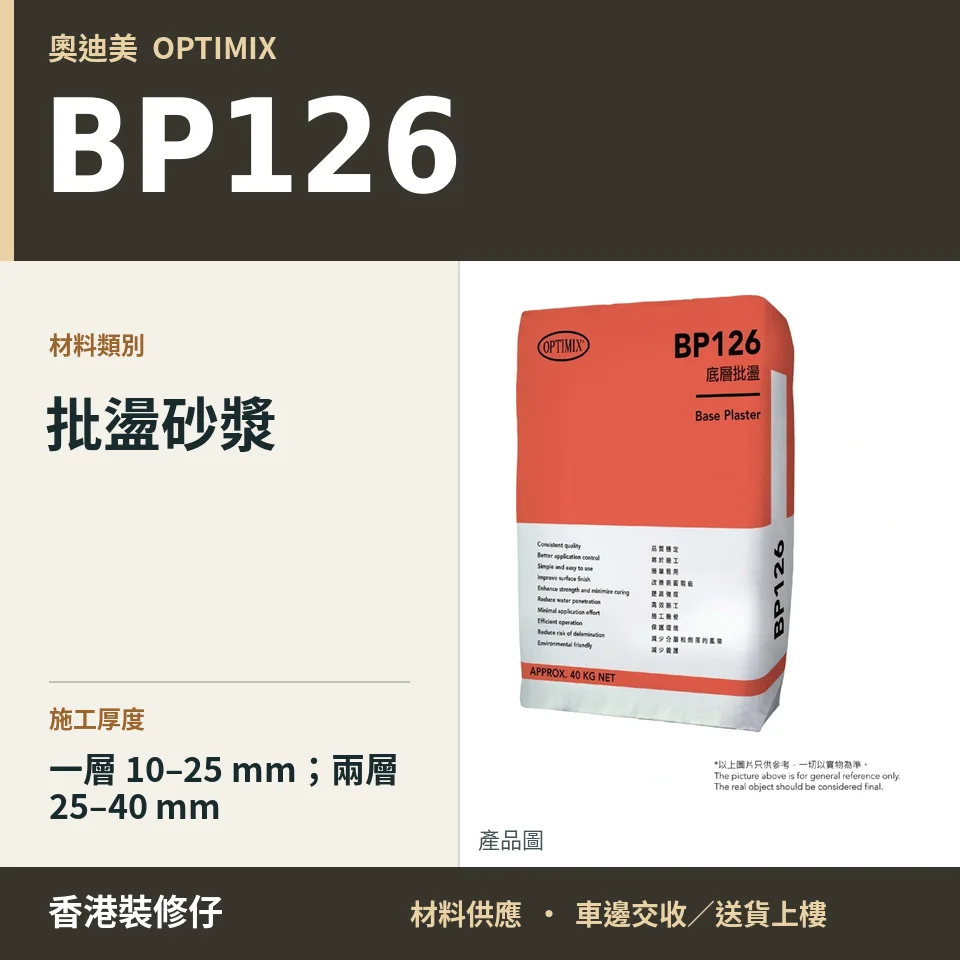
OPTIMIX BP126 Base Plaster(BP126)
Materials can be purchased separately from HK Create Design. Give us the quantity and district for unit prices, lead times and kerbside or upstairs delivery rates.
OPTIMIX BP126 is a general-purpose, polymer-modified cement render. Spray or hand-apply it to level concrete, brick or block walls before tiling or painting. The manufacturer specifies 10–25 mm in one layer or 25–40 mm in two. It gives a 28-day compressive strength over 15 MPa, a bond to concrete of about 1.0 MPa and 99% water retention. It can also be used as masonry mortar. BP126 meets the relevant parts of the Architectural Services Department General Specification, clause 18.61 (2022), including BS 8481, EN 13914 and EN 998-1. Site-batched render varies with sand, moisture, clay content and the mixing ratio. A pre-mixed formula reduces the risk of debonding and cracking. For wet areas such as bathrooms and kitchens, we may select OPTIMIX BP138 waterproof render. Keep completed render moist during curing, then let it dry before the next operation.
Buy materials: kerbside handover or delivery to your floor
The quote lists materials, delivery and any applicable upstairs delivery fee separately. Choose a handover option to request a price.
Add other materials (optional)
Rerendering and levelling walls after old tiles are removed
HK Create Design · Materials and upstairs delivery quotes · 5243 7747
How many bags of BP126 are needed to render a wall?
Deduct door and window areas, then measure render thickness at several points. Each 40 kg bag of BP126 uses a coverage rate of approximately 1.5 kg per square metre per millimetre of thickness.
| 10 m² net wall area | Theoretical quantity and whole bags required |
|---|---|
| 10 mm render thickness | Approximately 150 kg, or 4 bags. |
| 15 mm render thickness | Approximately 225 kg, or 6 bags. |
| 20 mm render thickness | Approximately 300 kg, or 8 bags. |
The manufacturer specifies 10–25 mm per coat. Estimate uneven areas separately and allow for site waste.
Check the manufacturer's data sheet and application conditions
OPTIMIX BP126 Base Plaster · Application illustration
How is a brick wall levelled before finishing?
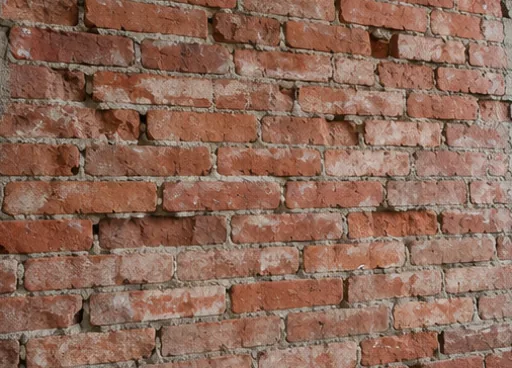
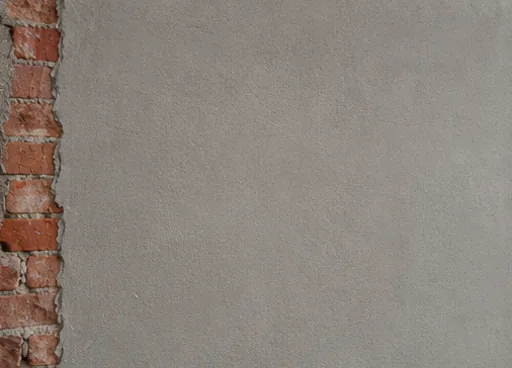
Illustrative application result. Colour, detailing and drying conditions vary on site.
- Material benefits
- Apply by hand or machine spray. The thicker base coat can even out the wall surface.
- Where to use it
- For brick or block walls after tile removal, or concrete walls needing new render.
- Application method
- Clean and prepare the substrate, set screed guides, apply the mortar in layers and level it with a straightedge.
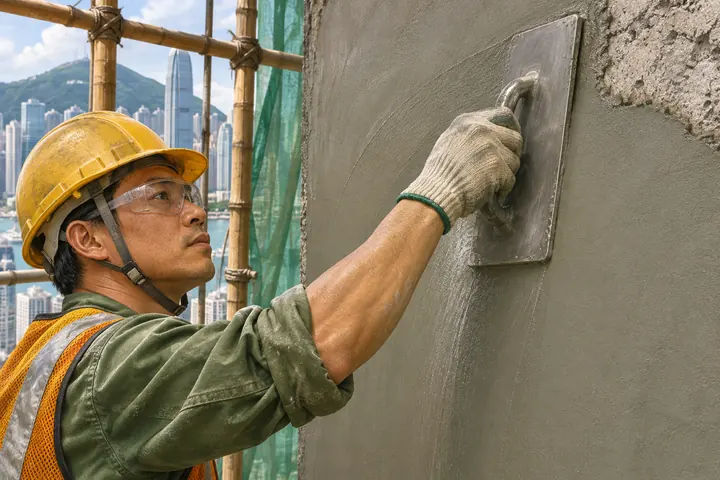
BP126 application steps
- Use a sound base with no shrinkage or settlement. Remove loose particles and grease. In dry weather, pre-wet the night before or shortly before application.
- A spatterdash coat can improve adhesion to smooth concrete. Let it harden for at least 2 days, preferably 7 days or longer, before rendering.
- Add 6.5–7.5 litres of water per 40 kg bag. Use a forced-action mixer, adding water before powder, and mix for about 3 minutes until uniform.
- Apply about 10–25 mm per layer. Above 25 mm, build up in layers, leave the base rough and let it gain sufficient strength before applying the next layer.
- Level promptly after application. The material remains workable for about 15–30 minutes. Use a wood float for a rough finish or a steel trowel for a smooth one.
- Special curing is generally unnecessary, but protect against rapid drying at least overnight. A curing compound may be used in very hot weather.
Manufacturer’s specifications
View BP126 Manufacturer's information and sources
| Item | Specification |
|---|---|
| 28-day compressive strength | > 15 MPa [2] |
| 28-day flexural strength | > 4.5 MPa [2] |
| 28-day bond strength to concrete | About 1.0 MPa [2] |
| Water retention rate | 99% [2] |
| Application thickness | 10–25 mm in one layer or 25–40 mm in two layers [2] |
| Working time | About 1 hour at 27°C [2] |
| Mixing water | 6.5–7.5 L per pack [2] |
| Consumption | 1.5 kg/mm/m² [2] |
| Wet density | 1,800 kg/m³ [2] |
| Packaging | 40 kg per bag [2] |
| Standards met | Relevant provisions of Architectural Services Department General Specification clause 18.61 (BS 8481 and EN 13914), and EN 998-1 [2] |
| Shelf life | 12 months [2] |
Suitable applications
- Rerendering and levelling walls after old tiles are removed
- Rendering new brick walls and partitions
- The base layer before tiling or painting
- Bricklaying, blockwork, masonry mortar
Applications to avoid
- Wet-area walls requiring waterproofing. Consider BP138 waterproof render followed by a waterproofing layer.
- Substrates with significant shrinkage, settlement or movement
How we use this material on site
Where walls are uneven after tile removal, we build up premixed render in coats of 10–25 mm. Leave the first coat rough to provide a key and allow it to gain strength before the second coat.
View the work details Hong Kong strip-out work, site protection and debris removalAfter removing walls or stripping tiles, we inspect the exposed wall and repair the render where needed before painting or tiling.
View the work details Hong Kong painting services, wall skimming and refurbishmentIf the wall surface is loose or very uneven, level it first with render before applying filler and paint for a smooth finish.
View the work detailsApplication notes
- Heat and strong winds shorten the working time.
- It is an alkaline product, so you must wear gloves and masks during construction.
- The packaging should be moisture-proof and protected from sunlight and rain.
OPTIMIX Other products
Specifications are drawn from the manufacturer’s website or technical data sheets (TDS). Refer to the latest manufacturer’s information for updates. HK Create Design is independent of the brands, whose names and trademarks belong to their respective owners.