01
What is a WR1? A one-sentence explanation
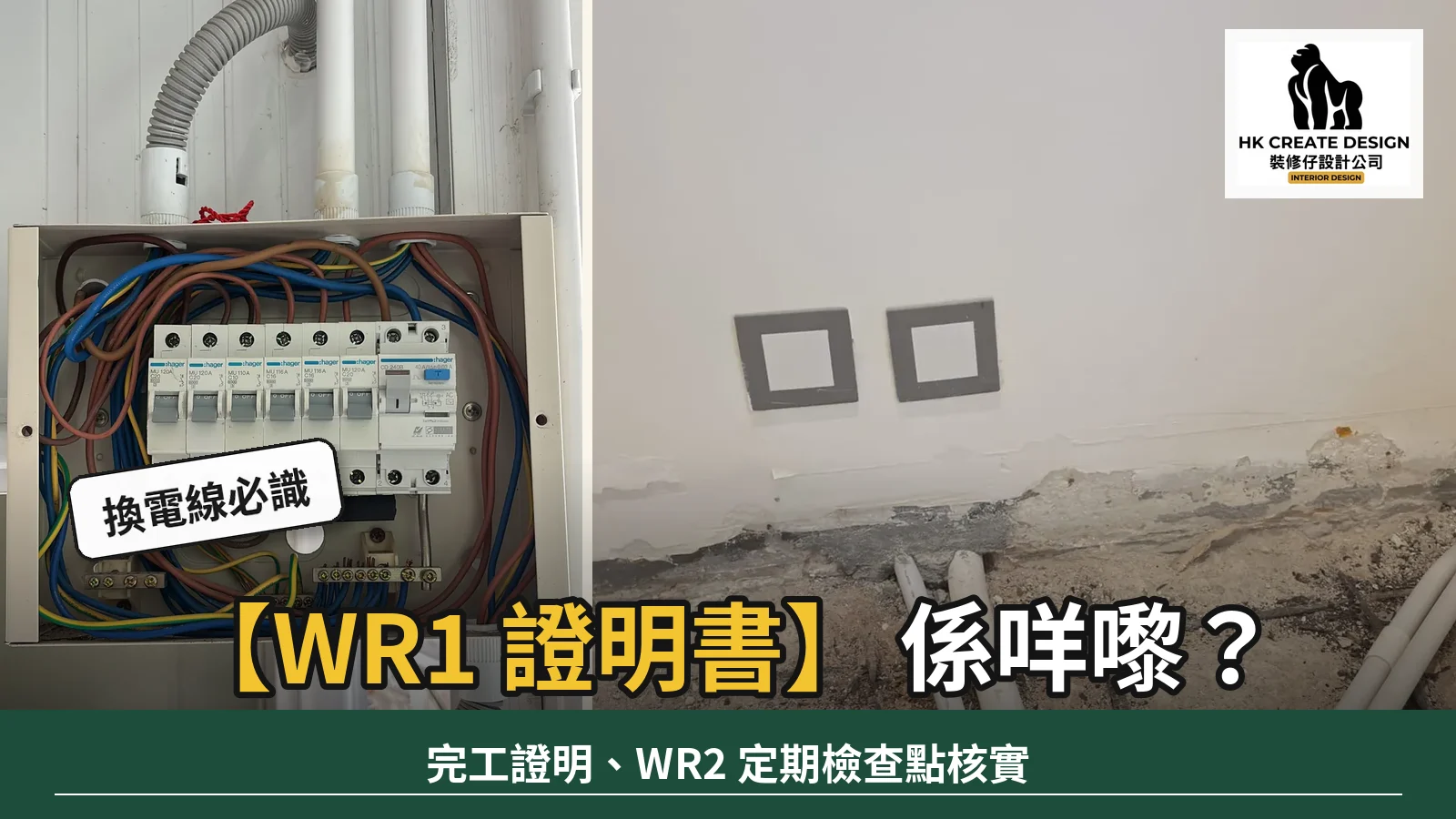
WR1 is the Work Completion Certificate specified by EMSD. Following an installation, addition, alteration or repair, a registered electrical worker inspects and tests before energisation and checks compliance with the Electricity (Wiring) Regulations. The registered electrical contractor and worker then issue the certificate.[2]
WR1 documents that a qualified worker inspected and tested the completed work. It is the statutory completion document, distinct from a licence or warranty. In home renovation,Distribution board replacement, Rewiring, adding sockets or a dedicated circuit all count as additions or alterations.
EMSD states that users do not need to send WR1 to the department. Keep it safely.[1] Keep the original and retain a photograph or scanned copy.
- WR1 = Work Completion Certificate
- Issued after inspection and testing and before energisation
- The owner keeps it. No submission to EMSD is required.
You can swipe left or right on your phone to view the complete table.
| compare | WR1 Completion Certificate | WR2 Periodic Test Certificate |
|---|---|---|
| When it is needed | After completing each new installation, addition, alteration or repair | Installations over 100 A: at least every five years. Specified premises: every 12 months. |
| When it is signed | After inspection and testing and before energisation | Contractor issues the certificate within one month of testing. |
| Who signs? | Registered Electrical Contractor and Registered Electrical Worker | Registered Electrical Contractor and Registered Electrical Worker |
| Submit to EMSD? | No. The owner keeps it. | Yes. Submit to EMSD for endorsement within two weeks of issue. |
| Cost | Included as part of the work, subject to the contractor's quotation | HK$695 endorsement fee, plus inspection and testing costs |
| Ordinary domestic installations | Issued on completion of electrical work | Not required for an ordinary domestic installation at 100 A or less. Regular checks are recommended. |
Source: EMSD's Household Electrical Safety Handbook and periodic testing pages. [2][5][7][8] [2][5][7][8]
02
Which renovation works require WR1?
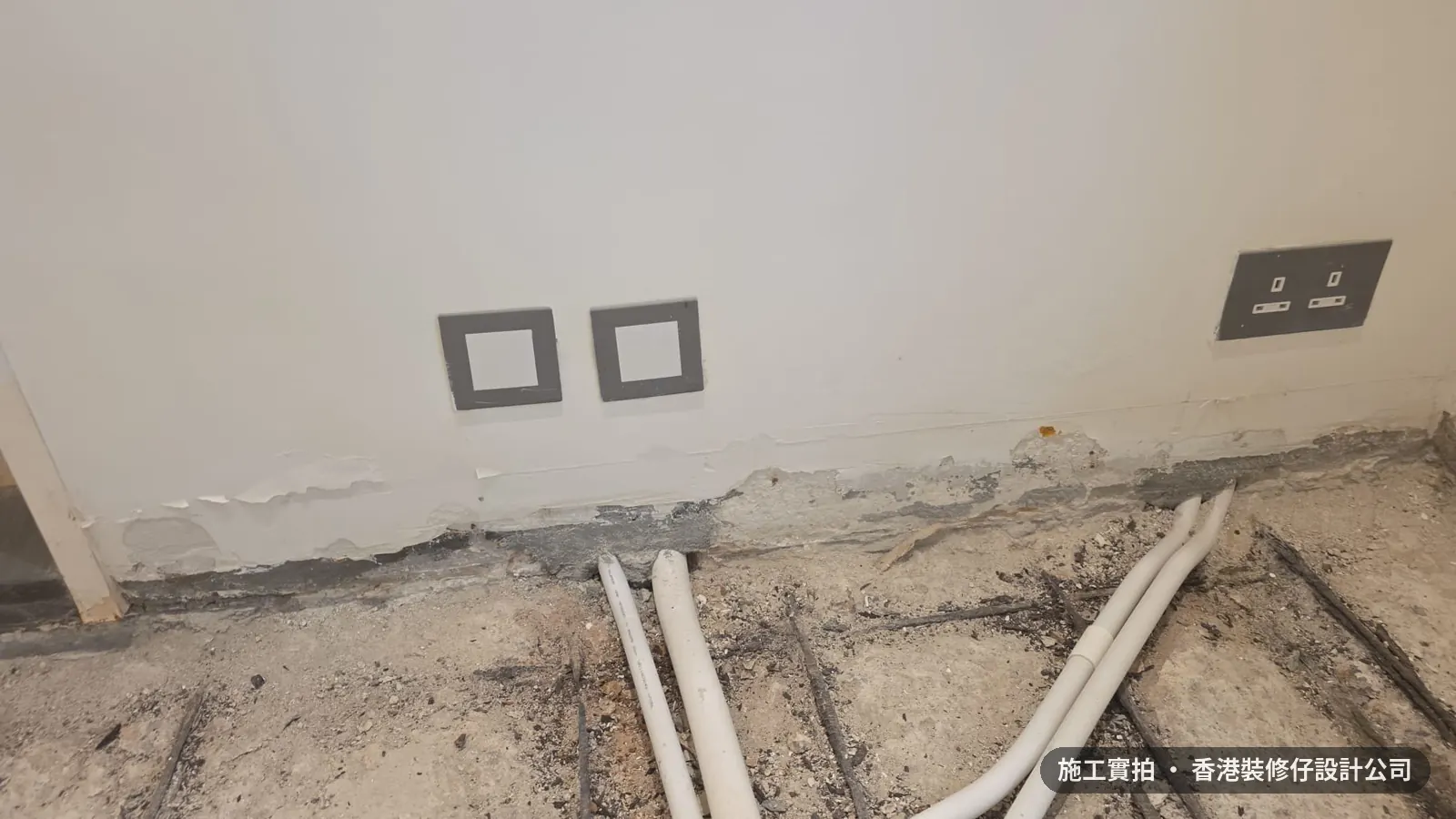
Work on a fixed electrical installation, including new work, additions, alterations or repairs, should have a WR1. Examples include rewiring, replacing a fuse box with an MCB/RCD distribution board, adding a 13 A socket or a dedicated hob or oven circuit, relocating a switch or modifying electrical points when changing kitchen or bathroom layouts.
Before any additions or alterations, EMSD advises owners to engage a registered electrical contractor to assess whether the existing installation can support the extra load. New and altered parts must meet current statutory safety requirements.[1]
Plugging in an appliance or changing a light bulb is outside the scope of fixed installation work. Replacing a switch plate or socket plate involves disconnecting and reconnecting wiring and should be handled by a registered electrical worker.
- Rewiring or replacing the distribution board: obtain WR1
- Adding sockets or circuits: obtain WR1
- Alteration or relocation: obtain WR1
03
When is WR1 signed, and by whom?
Complete the work → Registered electrical worker inspects and tests → Confirm compliance → Contractor and worker issue WR1 → Energise for use.[2] Testing must take place before the installation is energised for use.
Two parties sign: the registered electrical contractor (company or firm) and the registered electrical worker responsible. WR1 should show both sets of details and signatures. EMSD's Electricity News notes that the Electricity Ordinance requires a registered electrical contractor for fixed installation work. Ask workers to show their registration certificates.[11]
Our registered electrical workers perform, inspect and test the work. We specify WR1 in the quotation and provide the original certificate at handover.
- Completion → Testing → WR1 → Energisation
- WR1 signed by the contractor and electrical worker
- Ask to see the registration certificate.
「The registered electrical worker issues WR1 after completion to certify that the installation has been tested and meets safety requirements. Obtain and keep the original.」
04
What is WR2 and how does it differ from WR1?
WR2 is a Periodic Test Certificate. WR1 is issued when electrical work is completed, while WR2 is issued after periodic inspection and testing. EMSD requires the owner of a fixed installation with an approved loading above 100 A to engage a registered electrical contractor at least every five years for inspection, testing and a WR2.[5]
Certain installations require more frequent testing. Places of public entertainment, dangerous goods stores and high-voltage installations are tested every 12 months.[7] Hotels, hospitals, schools and child care centres require testing at least every five years regardless of loading.[8]
The contractor issues WR2 within one month of the test. The owner submits it with the fee to EMSD for endorsement within two weeks of issue.[7] The owner may ask the contractor to submit on their behalf.[8] The endorsement fee is HK$695. Applications can be made through EMSD Regulatory Services Online Registration Services or iAM Smart+.[8][7]
- Over 100 A: every five years
- Specified premises: every 12 months
- Issue WR2 within one month after testing.
- Submit for endorsement within two weeks of issue.
Example 1: how to calculate the WR2 timetable
Assumptions
- Communal installations with an approved loading over 100 A
- Inspection and testing completed on 10 November 2026
How to calculate quantities
- The contractor must issue WR2 within one month after testing: by about 10 December 2026 in this example. [7]
- If the contractor issues the certificate on 20 November 2026, the owner has two weeks to submit it to EMSD: 20 November + 14 days = 4 December. [7]
- Pay HK$695 for endorsement. Applications can be submitted online or through iAM Smart+. [8][7]
- Next periodic test: no later than five years afterwards, by November 2031 in this example. [5]
Record three dates from the example: obtain WR2 by 10 December, apply for endorsement by 4 December if issued on 20 November, and retest by November 2031.
These dates are calculated from EMSD's published deadlines. Follow the current requirements and the actual date on the certificate. [7][8][5]
05
Does an ordinary domestic installation need WR2?
Most residential flats have an approved loading of 100 A or less and do not need statutory WR2 testing. A building's main switch room, rising mains and common lighting often exceed 100 A. The owners' corporation or management company arranges their WR2, often announced in the lobby.
Even where WR2 is not required, EMSD recommends periodic inspection and testing of installations at 100 A or below by a registered electrical contractor. If protection devices trip repeatedly, arrange inspection promptly.[6]
If a home has not been checked in over ten years, is being purchased second-hand or experiences repeated tripping, arrange an electrical inspection. H01 is HK$770 per inspection. A comprehensive multi-circuit or open-kitchen inspection is HK$1,650.[13]
- Most domestic flats have a loading of 100 A or less.
- The owners' corporation arranges WR2 for communal installations.
- Arrange a check if the installation has not been inspected for ten years.
You can swipe left or right on your phone to view the complete table.
| Type of premises | Frequency |
|---|---|
| Fixed installations with an approved loading over 100 A | At least every five years |
| Places of public entertainment, dangerous goods stores and high-voltage installations | Every 12 months |
| Hotels, hospitals, schools and child care centres | At least every five years, regardless of loading |
| Domestic flats with an approved loading of 100 A or less | No statutory requirement in this case. Periodic inspection and testing are recommended. |
06
How can I verify a registered electrical worker and contractor?
First, check the register. EMSD publishes registers of electrical contractors and electrical workers, searchable by name or registration number.[10][4] Second, check the certificate. Registered electrical contractors must display their registration certificate at their business address. A registered electrical worker should also be able to show theirs.[4][11]
Third, check the grade. Registered electrical workers have grades A, B, C, H or R. Grade A covers low-voltage fixed installations with maximum demand up to 400 A, Grade B up to 2,500 A, Grade C low-voltage installations of any maximum demand, and Grade H high-voltage installations.[9] Grade A is generally sufficient for ordinary domestic work within the applicable limits.
Fourth, check the expiry date. Registration is renewed every three years.[12] EMSD also issues digital certificates that can be verified immediately by scanning their QR codes.[9] Verify registration before work starts to avoid discovering an invalid WR1 afterwards.
- Look up the registration in the EMSD online register.
- Ask to see the registration certificate.
- Check the grade and expiry date.
07
Where should I keep WR1, and when will I need it?
There is no prescribed place to display WR1. Keep it with the title and renovation contract and save an electronic copy. A buyer or tenant may ask for compliance documents, and a future contractor needs to know the scope of existing work before making alterations.
Third, WR1 provides evidence of qualified inspection and testing for insurance or incident investigations. Fourth, building management or the owners' corporation may request electrical completion documents after renovation.
If the certificate is lost, ask the original contractor for its records. If none can be found, a registered electrical contractor will need to inspect and test again and issue the appropriate documents. Keep the original when you receive it.
- Keep the original with the title documents.
- Photograph it for an electronic backup.
- Relevant to a sale, insurance or future alterations
08
Using WR1 when buying, taking possession of or letting a flat
When buying a second-hand flat, ask the seller whether wiring or the distribution board was replaced and whether WR1 is available. Check the date and scope to identify likely new and original circuits.
If a seller has no WR1 or the flat still has an old fuse box, budget for inspection and possible board replacement. H01 costs HK$770 per inspection, or HK$1,650 for a comprehensive multi-circuit inspection. H09 board replacement costs HK$6,800 and includes conversion from a fuse box to MCB/RCD protection and circuit labels.[13] These figures can help with discussions about the price or a renovation budget for a second-hand flat.
The landlord, as owner of a rental flat's electrical installation, is responsible for its safety.[3] An inspection before letting a flat and a properly retained WR1 can clarify responsibility later. At handover or the end of the tenancy, include a copy alongside the other documents.
If you are planningOlder flat renovation or renovating a second-hand flat, decide on rewiring during design. Coordinate chasing and making good with masonry and painting. A single WR1 covering the agreed works gives a clearer record than multiple certificates for piecemeal additions.
- Ask the seller for WR1 when buying a flat.
- Allow for an H01 inspection if WR1 is unavailable.
- Inspect and retain the records before letting a flat.
- Coordinate wiring during renovation.
Example 2: what WR1 covers when adding electrical points during renovation
Assumptions
- Two extra kitchen circuits for the induction hob and oven
- Add four 13 A sockets.
How to calculate quantities
- Works cost: 2 × HK$3,350 + 4 × HK$640 = HK$6,700 + HK$2,560 = HK$9,260. [13]
- A registered electrical worker inspects and tests before energisation. The contractor and worker issue WR1. [2]
- The WR1 should identify the two new circuits and four sockets in the scope of work.
The owner should receive the original WR1 with the scope listed. Keep it for a future sale, insurance enquiry or subsequent alterations. It need not be sent to EMSD.
Increasing the incoming supply capacity is priced separately. [13][2]
09
Building WR2 responsibilities for owners, the owners' corporation and management
Flat owners often encounter WR2 through a management notice for periodic inspection of a building's communal installations. A brief power interruption may be needed. Main switch rooms, rising mains and common lighting often have an approved loading above 100 A and require periodic inspection, testing and certification.[5]
The installation owner must arrange inspection and testing by a registered electrical contractor and submit WR2 to EMSD within two weeks of issue. The owner may ask the contractor to submit on their behalf.[7][8] The owners' corporation or management company generally acts for owners in the common parts.
Apply for WR2 endorsement from a phone or computer through EMSD Regulatory Services Online Registration Services or iAM Smart+. An electronic Periodic Test Certificate is available after endorsement.[7] Owners' corporations can avoid late submission by recording the five-year due date and booking the contractor early.
A building's WR2 for communal systems does not cover wiring inside a flat. Owners must monitor their own distribution board and circuits and arrange inspection when needed.[6]
- The owners' corporation or management company arranges WR2 for communal installations.
- Submit for endorsement within two weeks of issue.
- Apply online or through iAM Smart+.
- Owners arrange checks inside their flats.
You can swipe left or right on your phone to view the complete table.
| Grade | Work permitted |
|---|---|
| Grade A | Low-voltage fixed electrical installations with a maximum demand not exceeding 400 A |
| Grade B | Low-voltage fixed electrical installations with a maximum demand not exceeding 2,500 A |
| Grade C | Low-voltage fixed electrical installations of any maximum demand |
| Grade H | High-voltage fixed electrical installations |
| Grade R | Specified categories of work |
Check the EMSD registration details for the precise scope of permitted work. [9] [9]
10
EMSD guidance
EMSD's Household Electrical Safety Handbook states that owners must keep electrical installations safe, including using a registered electrical contractor for electrical work during renovations.[3] New installations, additions and alterations must meet current statutory safety requirements. A registered electrical worker must inspect and test before energisation and issue WR1.[2]
EMSD advises using only one adaptor or extension board per socket to avoid overload. If a protective device trips repeatedly, arrange inspection promptly by a registered electrical contractor. Do not fit a higher-rated protective device yourself.[6]
EMSD processed 12,304 periodic test certificates in 2025, endorsing 99% within 13 working days.[12] The owner should keep track of the submission deadlines to obtain WR2 endorsement on time.
- Use a registered electrical contractor for renovation electrical work.
- Test before energisation and issue WR1.
- Arrange inspection if protection devices trip repeatedly.
Example 3: does a domestic flat need periodic inspection?
Assumptions
- Ordinary residential flat with an approved loading of 60 A
- Last electrical works completed in 2016
How to calculate quantities
- 60 A ≤ 100 A. A WR2 is not legally required for this ordinary domestic installation. [5]
- EMSD recommends regular inspection and testing by a registered electrical contractor even for installations at 100 A or less. [6]
- 2026 − 2016 = 10 years without an inspection. An initial H01 inspection is HK$770, or HK$1,650 for multiple circuits. [13]
WR2 is not required in this case. An electrical inspection is recommended to check the circuits and earth leakage protection.
The electricity supplier's record determines the approved loading. [5][6][13]
11
Five common WR1 problems
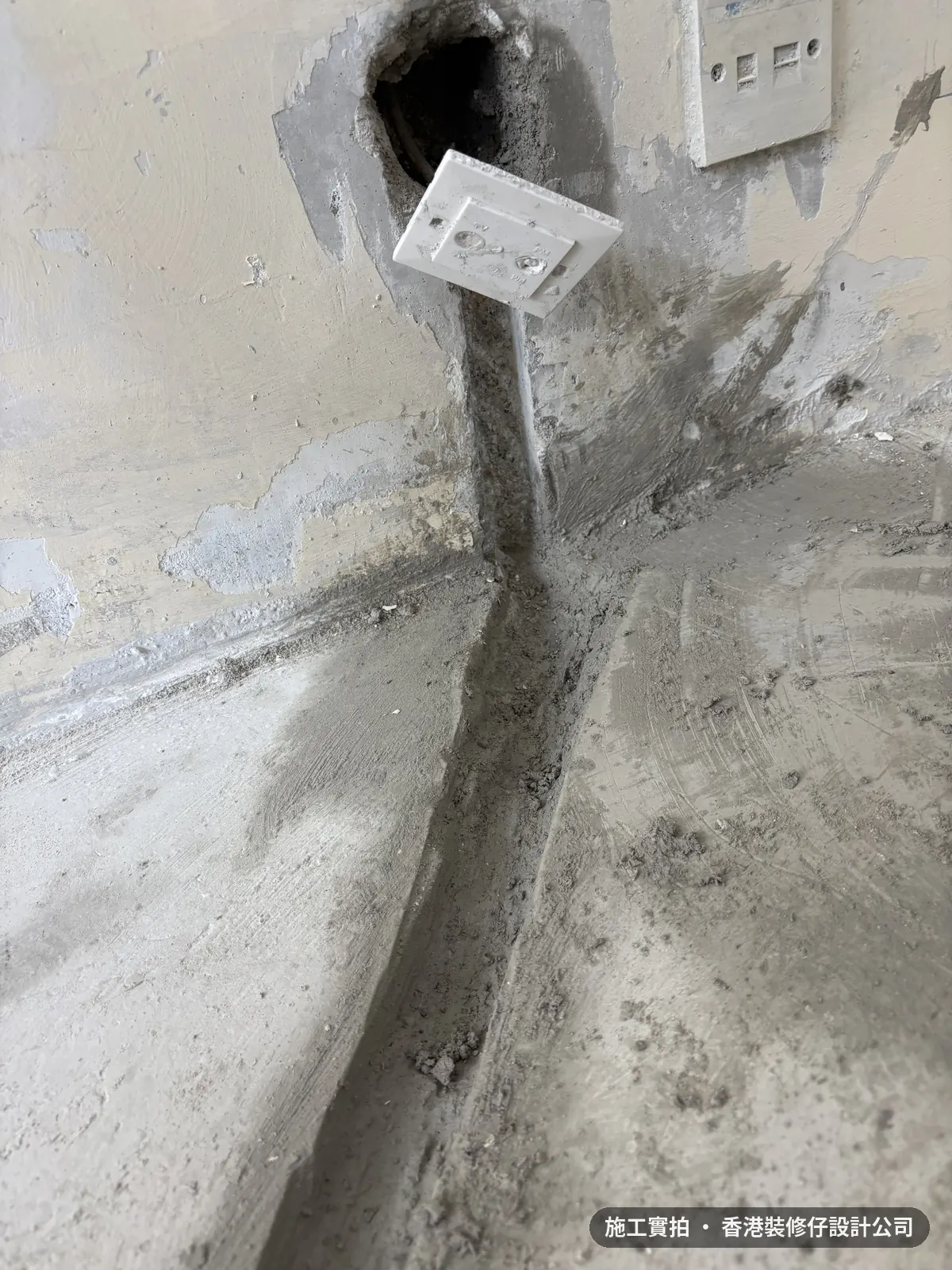
First, check before signing that WR1 is included. Some quotations omit it, and the customer only learns of extra charges or the contractor's inability to issue it at completion. Second, ensure the scope describes the work. “Electrical works” alone does not identify what was done.
Third, check that the registered electrical contractor and worker who carried out the work signed the WR1. Fourth, testing must take place before energisation. Do not energise first and leave WR1 for later.[2]
Fifth, distinguish WR1 completion certificates from WR2 periodic test certificates. They serve different purposes and cannot replace one another.[5]
- Specify WR1 in the quotation.
- Describe the scope clearly.
- The contractor who carried out the work is the issuing contractor.
- Test before energisation.
- Distinguish WR1 from WR2
12
Handover: what to check when you receive WR1
First, check that the address and scope match the quotation and completed work. Second, verify the registration numbers of the contractor and worker in the online register.[10] Third, check the test date.
Fourth, test the sockets and switches, inspect visible circuit labels and use the RCD's test button to check that it trips. Fifth, keep the original certificate and a photo backup.
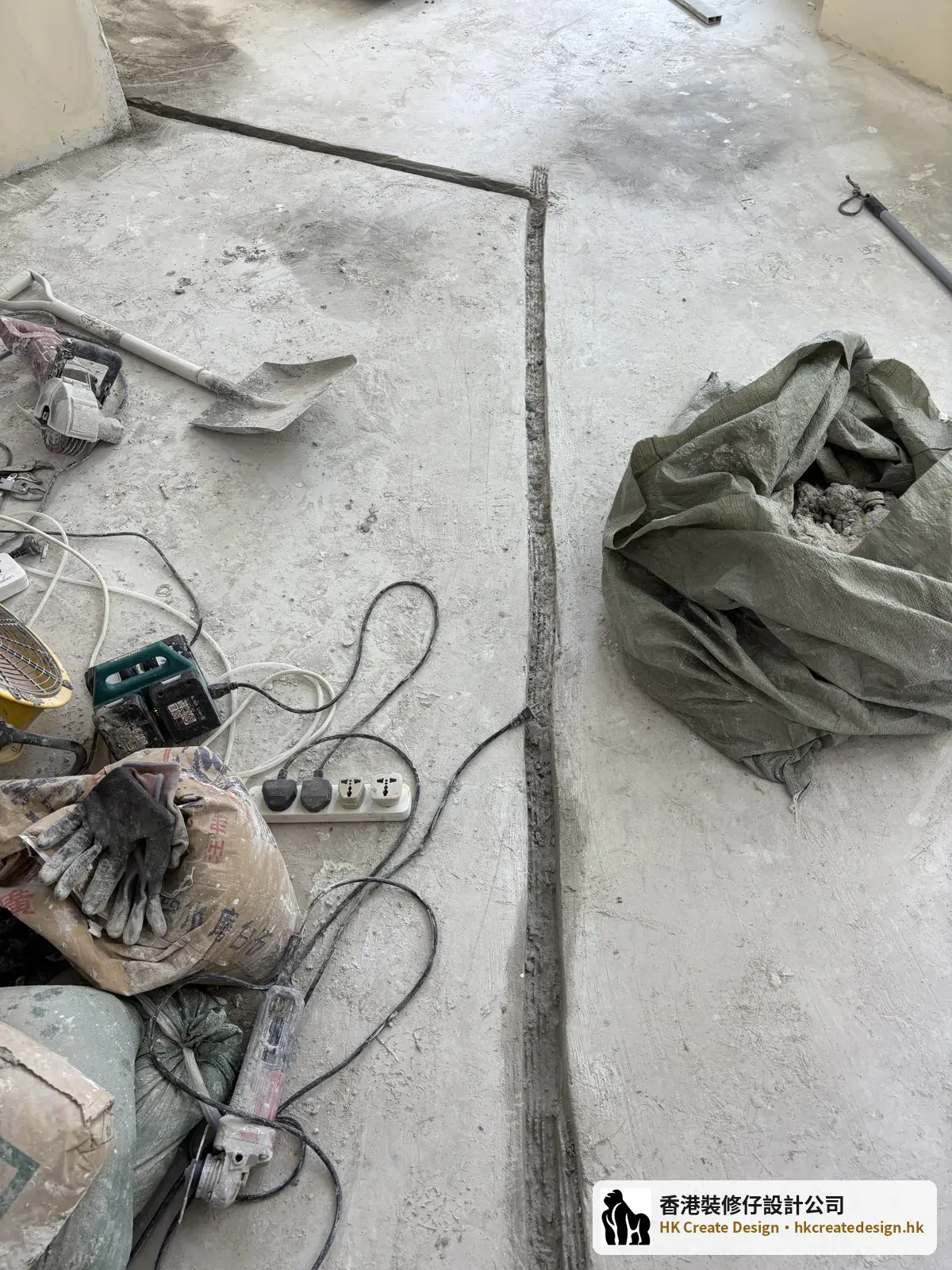
We provide a one-year warranty after completion, excluding deliberate damage. At handover we also provide WR1 and photographs of the cable routes before the chases were closed.
- Check the address and scope of work.
- Check the registration number.
- Test each point.
- Keep the original certificate
You can swipe left or right on your phone to view the complete table.
| Items to check | How to read it | If something is wrong |
|---|---|---|
| address | Matches the flat address | Ask for correction before signing. |
| Project scope | Specify board replacement, added circuits, sockets and other completed items. | Match the quotation to the completed work. |
| Contractor details | Check registration numbers in the online registers. | Follow up if no registration record is found. |
| Electrical worker's signature | Registered electrical worker's signature and registration number shown | Both signatures are needed for a complete certificate. |
| Date | Completion test date | Keep the original and a photographic backup |
The registration lists are available on the EMSD website. [4][10] [4][10]
13
Need electrical work and WR1?
For a free quotation from the HK Create Design team, WhatsApp 5243 7747 or visit our Wong Tai Sin shop, Monday to Saturday, 10:00–18:00.
A visit can be booked for rewiring, distribution board replacement or additional outlets. On-site measurement is free through 31 December 2026 for two or more work items, with no deposit. After that, the HK$500 fee is credited against the order. For small jobs, send photos on WhatsApp for an initial quotation. The minimum charge is HK$2,000.[13]
We use cable brands with product certifications such as 3C, install to EMSD's Code of Practice for the Electricity (Wiring) Regulations and provide WR1 on completion. The quote records cable brands, circuit quantities and WR1 arrangements.
- WhatsApp 5243 7747
- Specify the extent of the work.
- Specify WR1 in the quotation.
Advice from our tradespeople
「The registered electrical worker issues WR1 after completion to certify that the installation has been tested and meets safety requirements. Obtain and keep the original.」
「Before signing, verify the electrical worker's and contractor's registration numbers on the EMSD website.」
「We provide WR1 and the associated test records for every electrical project.」
FAQ
14 practical questions answered
01What is WR1?
EMSD's Work Completion Certificate records a new installation, addition, alteration or repair after inspection and testing and before energisation. It is issued by the registered electrical contractor and electrical worker.[2]
02Does WR1 need to be submitted to EMSD?
No. The owner should keep it safely.[1]
03What is WR2?
Periodic Test Certificate. A fixed installation with approved loading above 100 A generally requires testing at least every five years.[5]
05When must WR2 be submitted?
The contractor issues WR2 within one month of testing. The owner submits it to EMSD for endorsement within two weeks of issue.[7]
06Does an ordinary residential flat require WR2?
Not required for an ordinary domestic installation at 100 A or less. EMSD recommends periodic inspection and testing by a registered electrical contractor.[6]
07How can I check an electrician's registration?
Check both the contractor and worker in EMSD's online registers. You can ask to see their registration certificates.[10][11]
08Does adding just one socket require WR1?
Adding a socket is an addition to a fixed electrical installation. It should be inspected, tested and certified on WR1 at completion.[2]
09What if the WR1 has been lost?
Ask the original contractor whether it holds a record. Otherwise a registered electrical contractor will need to inspect and test again.
10What grades of registered electrical worker are there?
Grades A, B, C, H and R. Grade A covers low-voltage fixed installations with a maximum demand not exceeding 400 A.[9]
11Does HK Create Design provide WR1 for electrical work?
Yes. A registered electrical worker inspects and tests the work and issues WR1. The original is provided at handover.
12How is the building's WR2 inspection relevant to my flat?
Communal installations exceeding 100 A require periodic WR2 testing arranged by the owners' corporation or management company. Owners remain responsible for wiring inside their flats and should arrange a registered electrical contractor's inspection where needed.[5][6]
13Can I submit WR2 online?
Yes. Apply through EMSD Regulatory Services Online Registration Services or iAM Smart+. An electronic certificate is available after endorsement.[7]
14How can I make an appointment?
On-site measurement is free through 31 December 2026 for two or more work items, with no deposit. After that, the HK$500 fee is credited against the order. WhatsApp 5243 7747.
CHECK THE BASIS
Data and technical basis, sources can be verified
- [1]Electrical and Mechanical Services Department: new electrical installations, additions and alterations Accessed: 2026-11-03
- [2]Electrical and Mechanical Services Department: Household Electrical Safety Handbook, new installations, additions and alterations Accessed: 2026-11-03
- [3]EMSD Household Electrical Safety Handbook: responsibilities of owners of electrical installations Accessed: 2026-11-03
- [4]EMSD Household Electrical Safety Handbook: registered electrical contractors and workers Accessed: 2026-11-03
- [5]EMSD Household Electrical Safety Handbook: periodic inspection, testing and certification Accessed: 2026-11-03
- [6]Electrical and Mechanical Services Department: safe use and maintenance of electrical installations Accessed: 2026-11-03
- [7]Electrical and Mechanical Services Department: Periodic testing of fixed electrical installations Accessed: 2026-11-03
- [8]Electrical and Mechanical Services Department: frequently asked questions about periodic tests of fixed electrical installations Accessed: 2026-11-03
- [9]Electrical and Mechanical Services Department: registration as an electrical worker Accessed: 2026-11-03
- [10]Electrical and Mechanical Services Department: register of electrical contractors Accessed: 2026-11-03
- [11]Electrical and Mechanical Services Department: Electricity News, issue 38 (October 2025) Accessed: 2026-11-03
- [12]Hong Kong SAR Government, 2026–27 Estimates, Head 42, Electrical and Mechanical Services Department (electrical incident and periodic test certificate indicators) Accessed: 2026-11-03
- [13]HK Create Design 2026 published rates: electrical work H01–H09 Accessed: 2026-11-03