01
Why does wiring age matter? A look at the figures
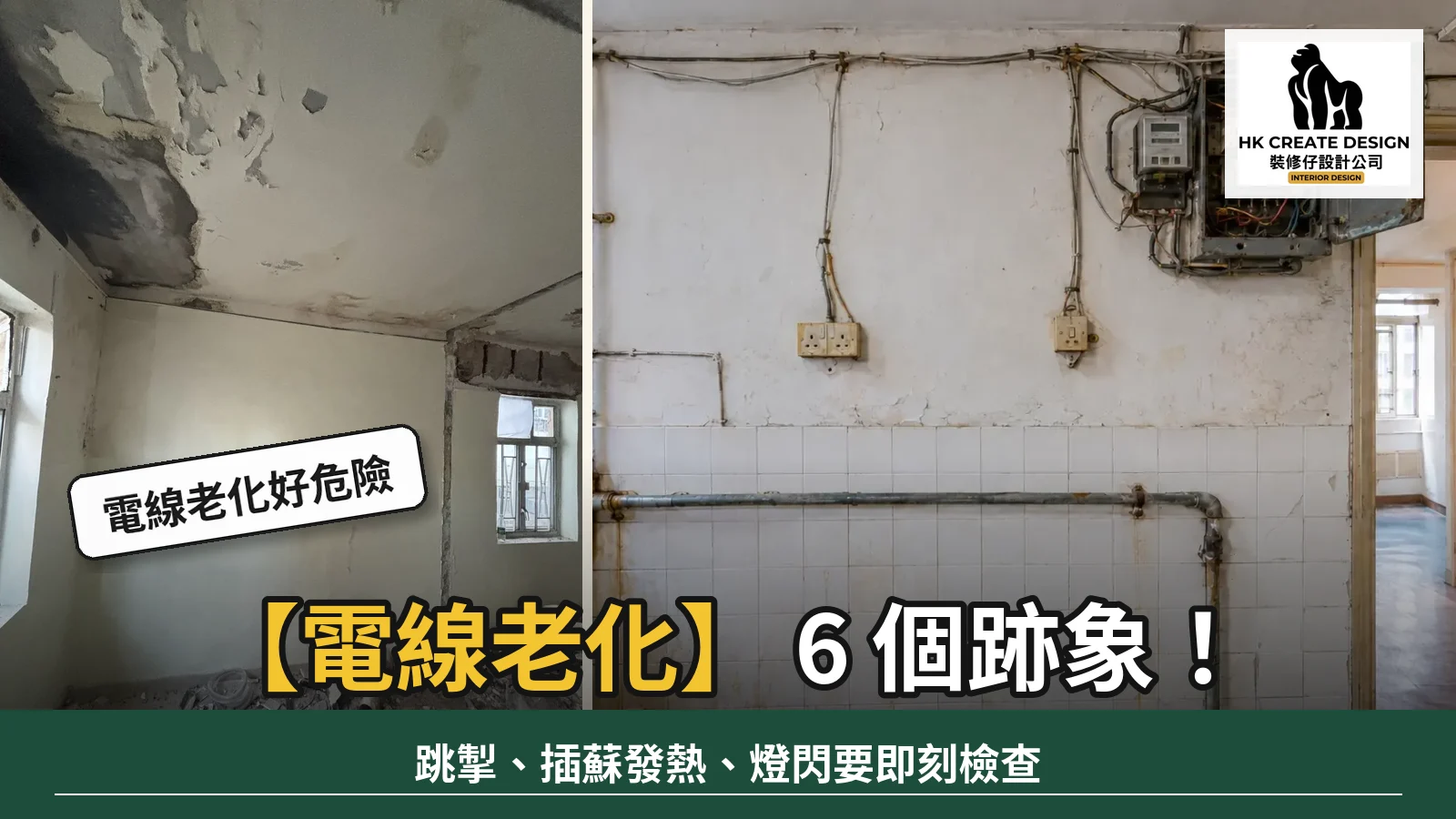
Concealed wiring can go unchecked for decades. Insulation deteriorates, connections loosen and older boards may lack modern protection. EMSD notes a higher rate of electrical incidents in older buildings and identifies ageing components in installations that have not been renewed.[1]
In 2025, 9,402 of Hong Kong's 36,546 private domestic and composite buildings were at least 50 years old (about 25.7%). According to the Buildings Department, 24,874 were at least 30 years old (about 68.1%).[2]
Fire Services Department figures show fires attributed to electrical faults rose from 739 in 2020 to 1,014 in 2024.[3] There were 2,000 building fires causing damage in 2025. Electrical faults and human factors accounted for about 42% and 25% respectively.[4] These figures do not establish the condition of an individual flat. They illustrate why older wiring merits regular inspection.
- About one quarter of private buildings are at least 50 years old.
- Five-year rise in fires due to electrical faults
- Older buildings have a higher incidence of electrical accidents.
You can swipe left or right on your phone to view the complete table.
| Signs | Possible cause | Process | Urgency |
|---|---|---|---|
| Repeated tripping | Overload, earth leakage or deteriorated cable insulation | Engage a registered electrical contractor to inspect. Do not fit a higher-rated protective device. | As soon as possible |
| Hot, burnt-smelling or discoloured socket or switch plate | Loose connection or overload | Stop use, isolate the affected circuit if safe and arrange inspection. | Immediately |
| Flickering lights or unstable voltage | Loose connections or poor neutral contact | Inspect both flat and building wiring. | As soon as possible |
| Fuse box without an RCD | Old-style distribution without RCD protection | Replace with an MCB/RCD distribution board. | Plan remedial work. |
| Chained extension boards | Insufficient socket outlets | Add sockets where they are needed. | Plan remedial work. |
| Seepage affecting wiring or the board | Water damage to electrical installations | Address seepage, then have the wiring checked. | As soon as possible |
These are typical conditions only. A site inspection is required for diagnosis. See EMSD's older-building electrical guidance and safety information. [1][7] [1][7]
02
Sign 1: frequent tripping
Tripping can be the normal action of a protection device. Repeated trips need investigation. A trip when one appliance starts may indicate an appliance or circuit fault. Unexplained trips, particularly in wet weather, may indicate earth leakage or deteriorated insulation.
If protection devices trip repeatedly, EMSD recommends prompt inspection by a registered electrical contractor.[7] Never fit a larger fuse or MCB yourself to stop nuisance tripping. This may stop trips by defeating the designed protection.
EMSD notes the disruption caused by repeated trips and identifies missing RCD protection and earthing defects as common problems in older buildings.[1] Repeated tripping is a warning worth investigating.
- Record when it trips and which appliances were in use.
- Do not increase the protective device rating yourself.
- Contact a registered electrical contractor for inspection.
03
Sign 2: hot, burnt-smelling or discoloured sockets or switches
Stop using a socket that shows signs of overheating, yellow or brown scorch marks, or a smell of burnt plastic. Do not touch it to test the temperature. Possible causes include a loose connection, poor plug contact or prolonged overload.
Act immediately. Unplug only if safe, isolate the affected circuit or the main supply if the situation is serious, and contact a registered electrical contractor. Do not dismantle the socket plate. Wiring behind it may be burnt.
EMSD advises using only one adaptor or extension board per socket to avoid overload.[7] Burnt sockets are often associated with too many appliances connected to the same point over long periods.
- Stop using a socket that feels hot.
- Isolate the affected circuit if safe.
- Do not dismantle the equipment yourself.
- Avoid overloading one socket.
「Hot sockets, burnt-smelling switches and repeated flickering can indicate deteriorated wiring or poor connections. Avoid relying on extension boards to work around the problem.」
04
Sign 3: flickering lights or unstable voltage
A failing bulb may flicker. If a replacement still flickers or the whole flat dims when a large appliance starts, check for a loose connection, overloaded circuit or a neutral fault.
EMSD identifies loose or broken neutral conductors as a common defect in older buildings. Neutral displacement can raise or lower the voltage and damage appliances.[1] The fault may involve either the flat or common wiring. Arrange inspection by a registered electrical contractor.
If neighbours on the same floor experience similar problems, notify management or the owners' corporation so they can arrange inspection of communal installations.
- If a replacement bulb still flickers, arrange inspection.
- Pay attention if lights dim when major appliances are switched on.
- If neighbours are affected too, notify building management.
Example 1: calculating the proportion of buildings by age
Assumptions
- Buildings Department figures on private buildings in 2025
How to calculate quantities
- 50 years or older: 9,402 ÷ 36,546 ≈ 25.7%. [2]
- 30 years or older: 24,874 ÷ 36,546 ≈ 68.1%. [2]
- That is about one in four private buildings aged 50 years or more.
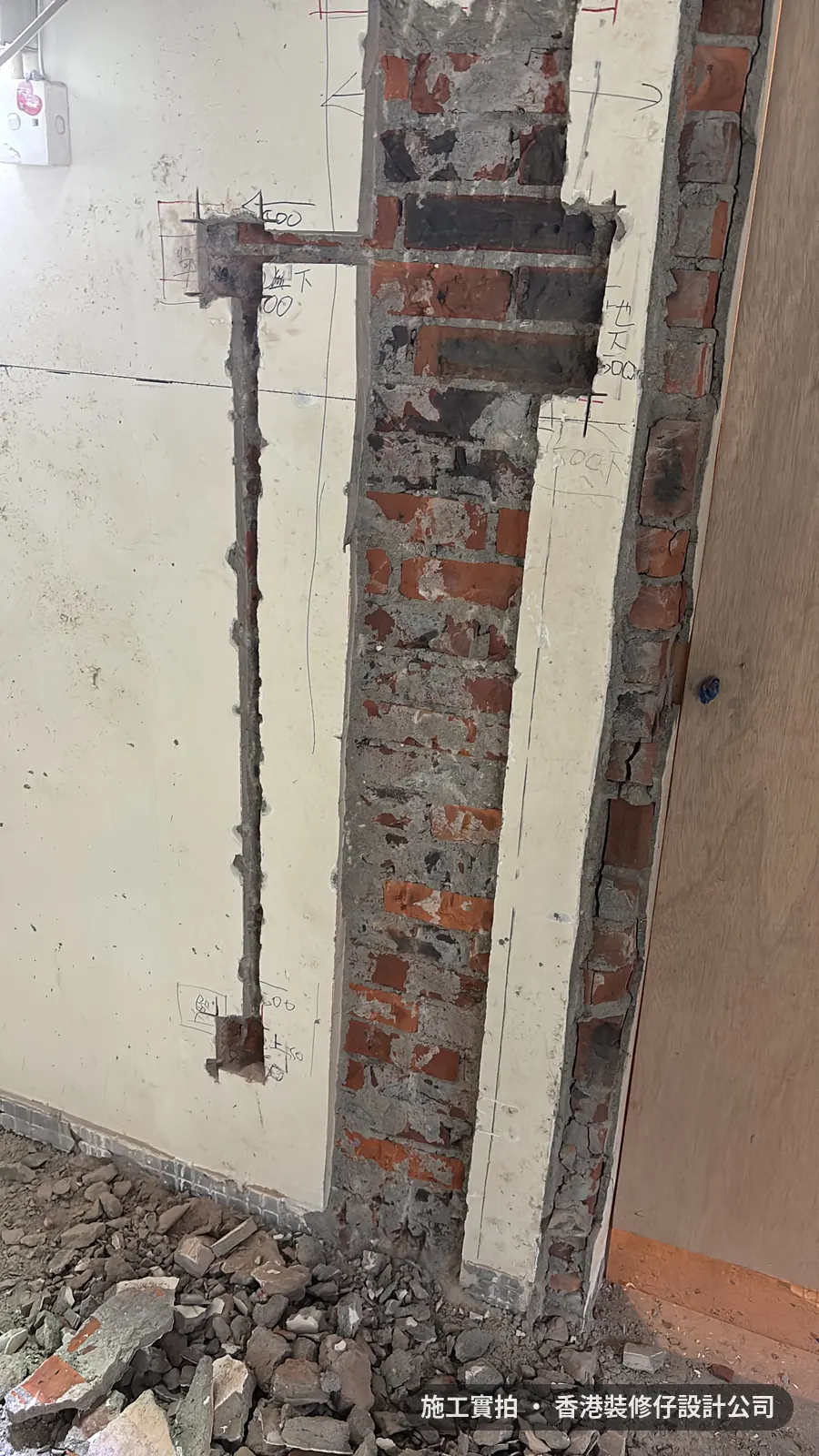
About a quarter of private buildings are aged 50 or over, making the upkeep of older electrical installations a widespread issue.
Building age does not determine wiring condition inside a flat. Inspect the installation. [2]
05
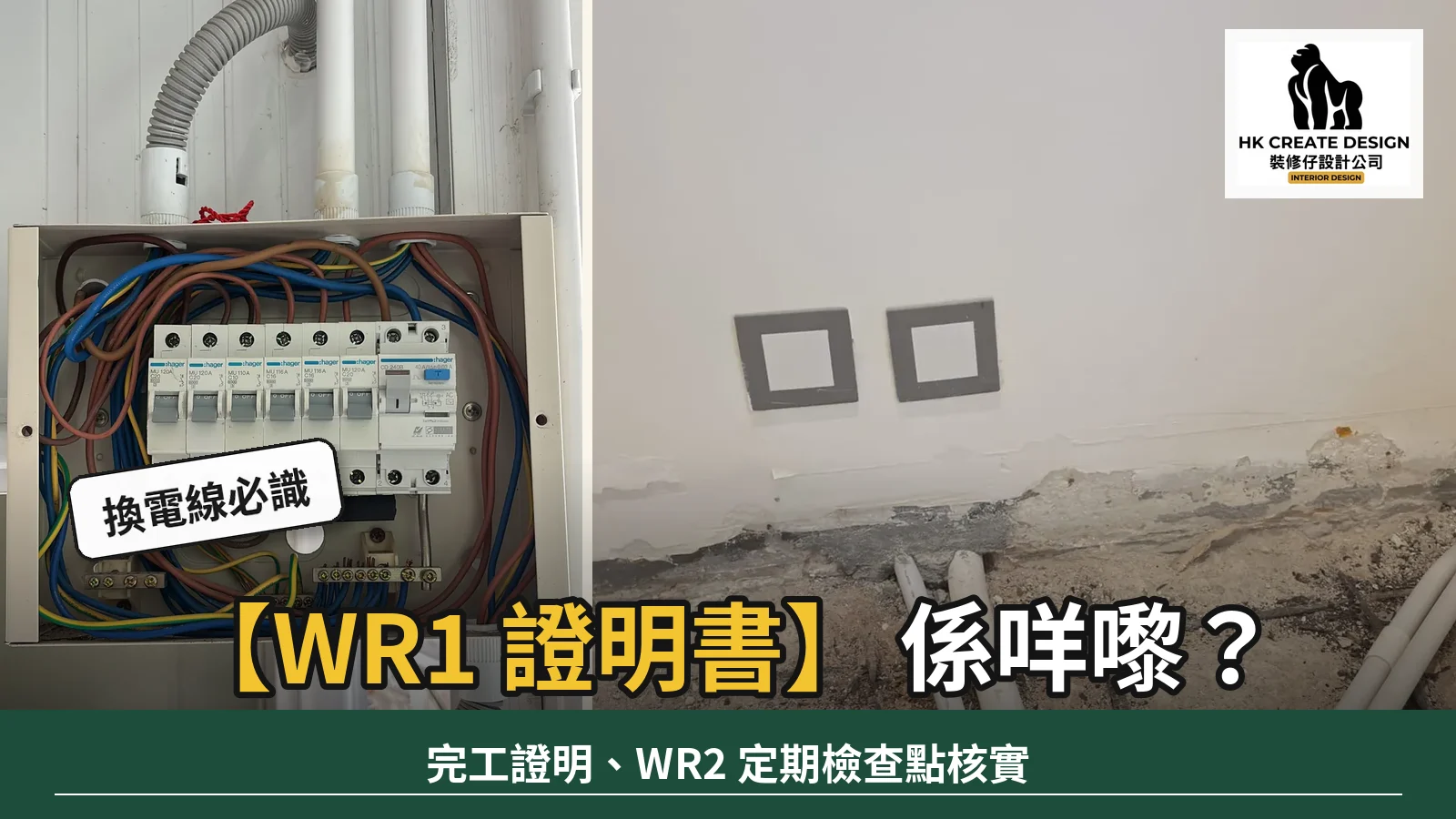
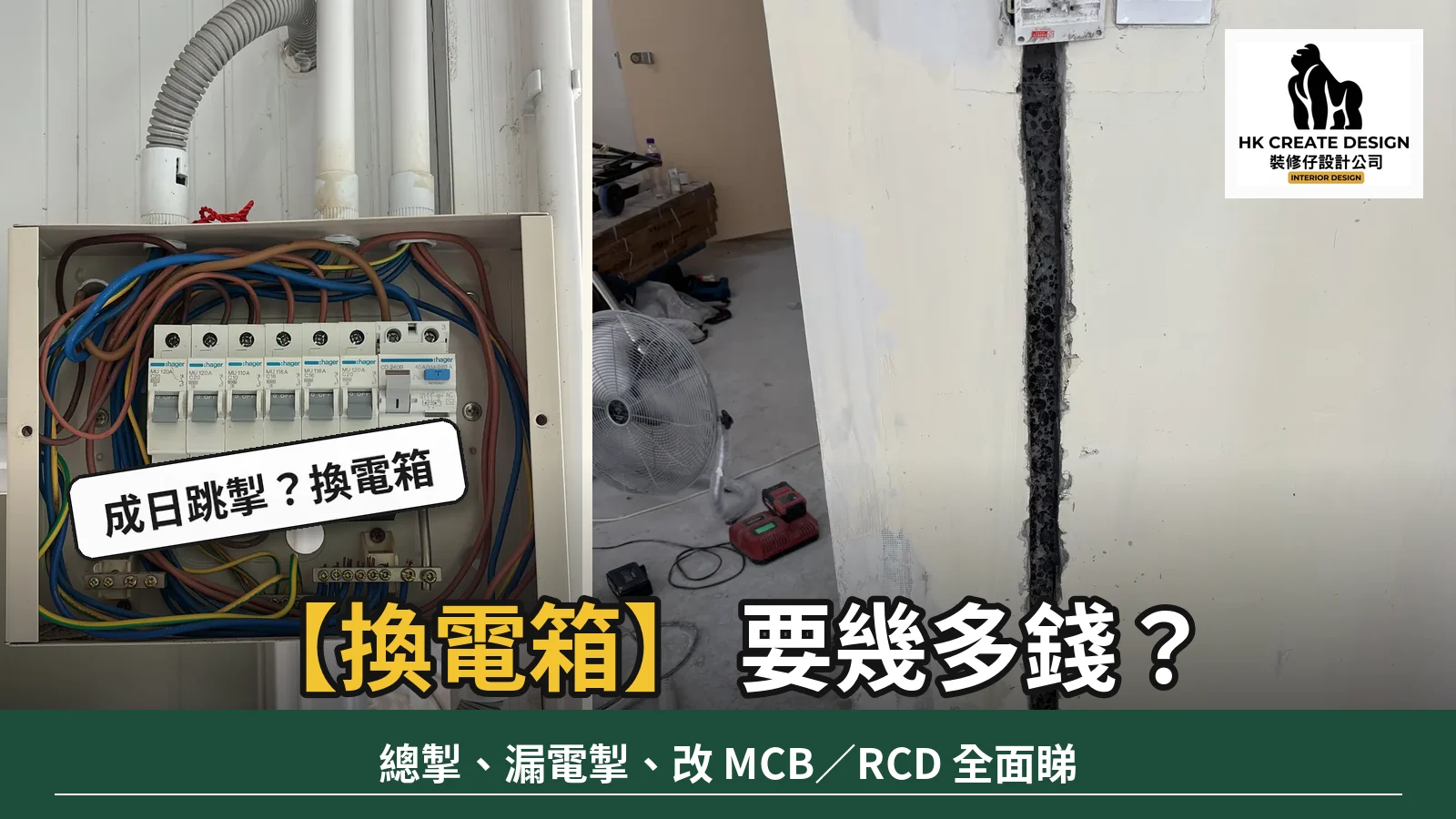
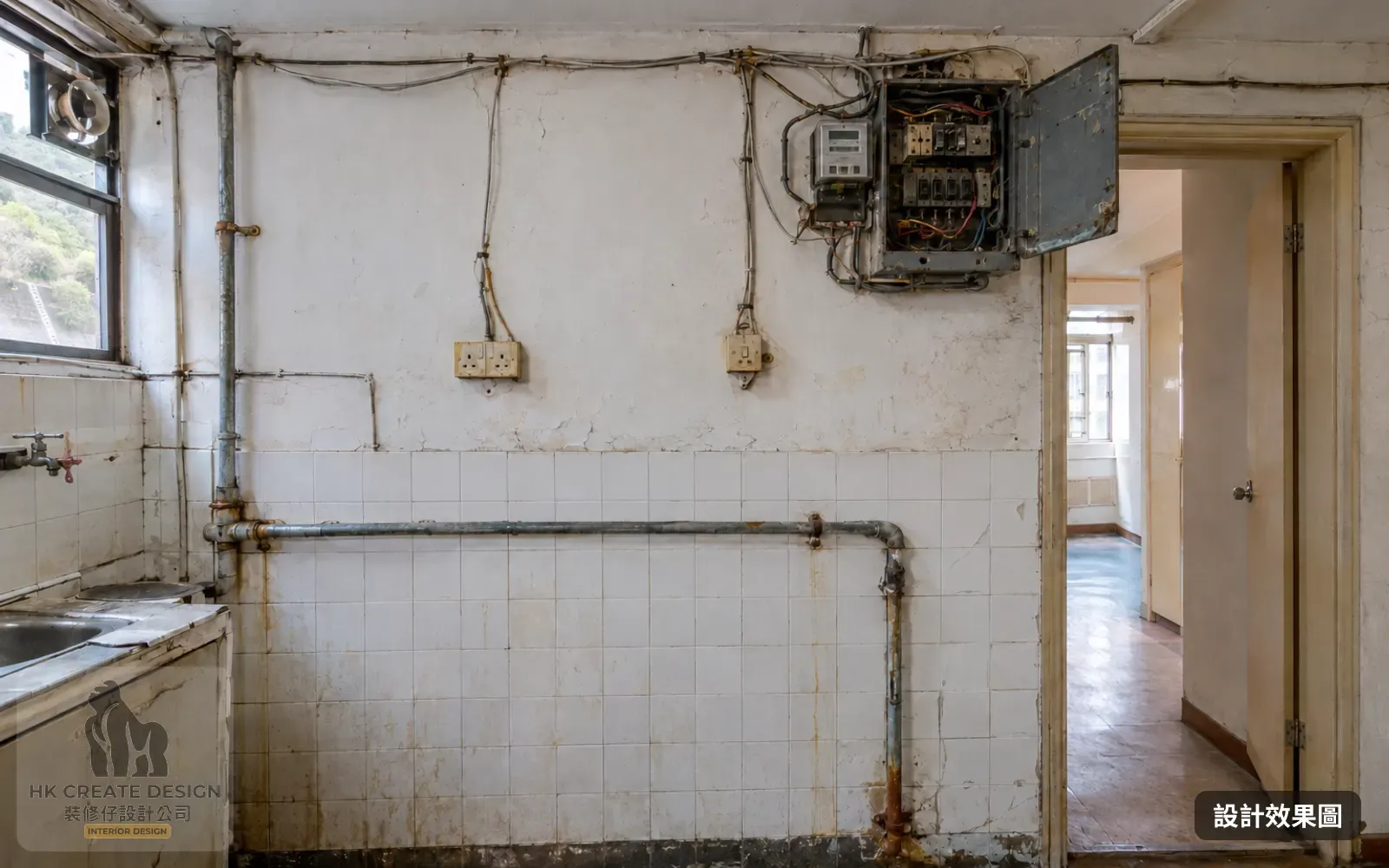
Sign 4: an old fuse box without RCD protection
Visible individual fuses, rather than a row of MCBs and an RCD with a test button, indicate an old-style fuse box. EMSD identifies missing RCD protection as a common issue in older buildings.[1]
Without an RCD, the installation lacks automatic disconnection by an earth leakage device. EMSD's Household Electrical Safety Handbook requires RCD protection for socket circuits and circuit identification at the board.[8] Where the board includes an RCD, operate its test button at least once every three months.[10]
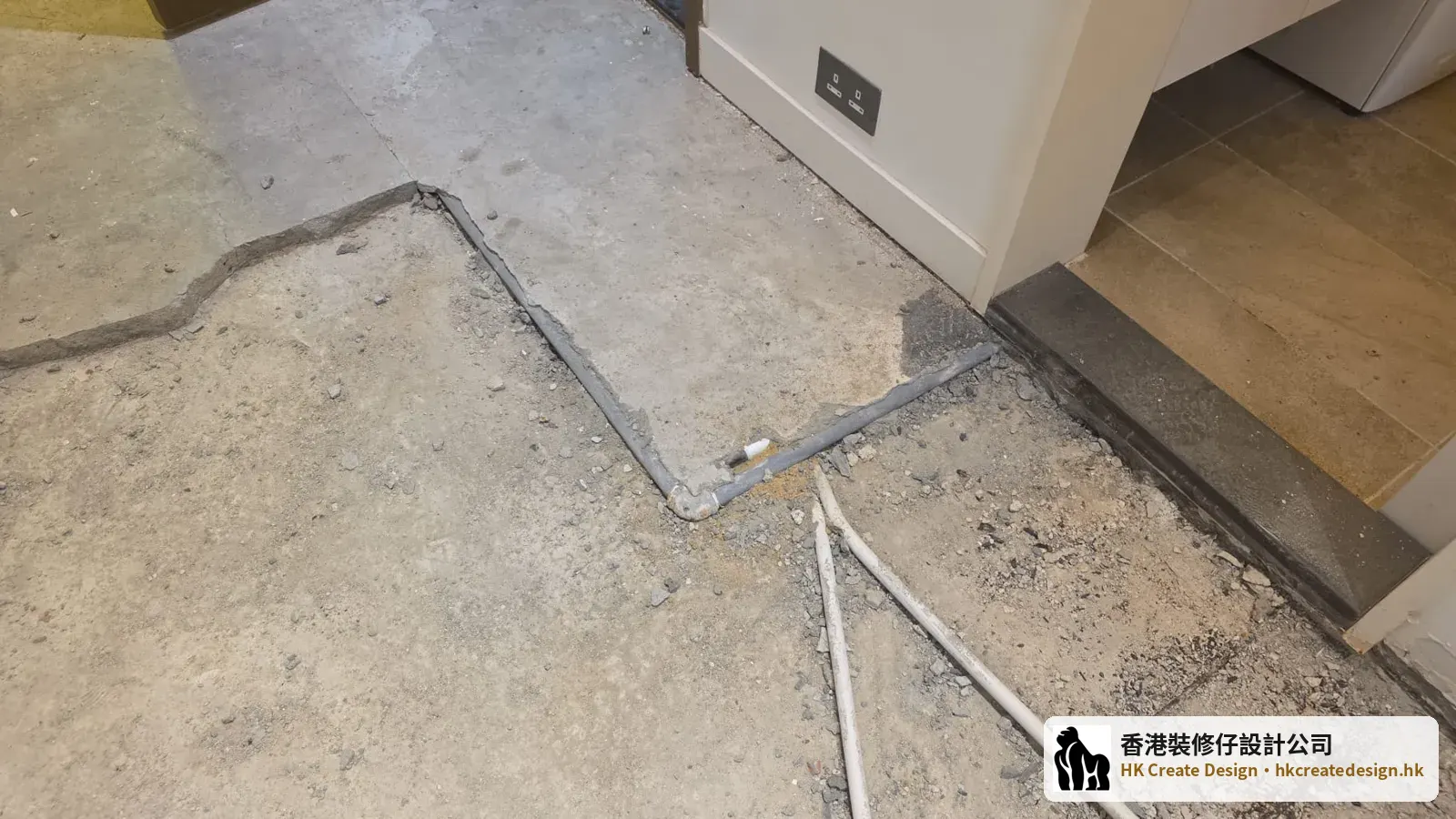
Distribution board replacement H09 is HK$6,800 per board, including conversion from fuses to MCB/RCD protection and circuit labels.[12] This is a priority step in upgrading older electrical installations.
- Check whether the board uses fuses.
- Is there an RCD test button?
- Press the RCD test button every three months.
You can swipe left or right on your phone to view the complete table.
| Inspection findings | Suggested option | Company reference price |
|---|---|---|
| Damaged individual socket or switch plate | Replace individual points. | H04 switch with wiring HK$430 each. Small-job minimum HK$2,000. |
| Concealed wiring passes testing, but a fuse box remains. | Distribution board replacement | H09: HK$6,800 per item |
| Too few sockets | Add sockets or dedicated circuits. | H02 HK$640 per point, H06 HK$3,350 per circuit |
| Deteriorated cable insulation or multiple joints | whole-home rewiring | Price by number of circuits, sockets and switches. |
Our published rates. [12] [12]
06
Sign 5: too few sockets and chained extension boards
Older buildings were designed for fewer appliances. Phones, computers and air conditioning now share rooms, and kitchens have rice cookers, microwaves and induction hobs. Too few outlets can encourage chained extensions.
EMSD advises one adaptor or extension board per socket and a separate socket for each major appliance.[7][8] Chaining extension boards is not itself evidence of ageing cables, but sustained high loads can accelerate deterioration.
Add outlets where needed under H02 at HK$640 each, or a dedicated major appliance circuit under H06 at HK$3,350.[12] If there are other signs of ageing, considerRewiring.
- Count how many extension boards are in use.
- Give each major appliance its own socket.
- Add sockets where they are needed.
07
Sign 6: seepage affecting wiring or the board
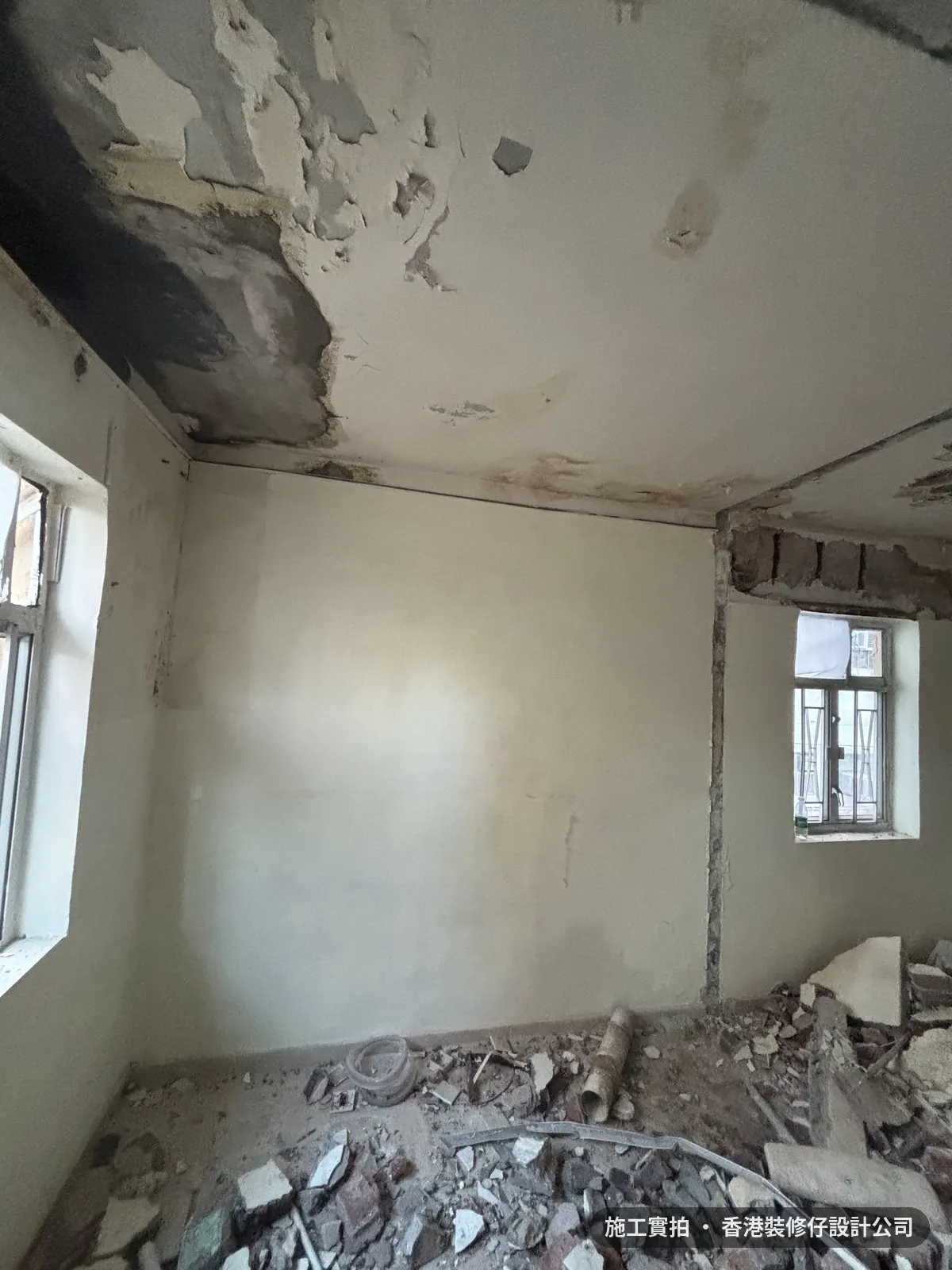
Seepage can affect wiring inside a wall as well as blister the paint. EMSD notes that main switch and meter rooms in older buildings may have structural cracks, leaks, pipes passing through or condensation. Water can damage electrical equipment and interrupt the supply, sometimes for extended periods.[1]
Pay particular attention where seepage is close to sockets, switches or a distribution board. EMSD's 2025 wiring code revisions add requirements to notify the installation owner when a water seepage risk requiring rectification is found.[11][1]
Isolate the affected circuit if safe, address the water source, then have a registered electrical contractor inspect the affected wiring. Replacing a faceplate alone is inadequate because water may have entered the conduit.
- Are sockets or switches close to seepage?
- Isolate the affected circuit first if safe.
- Address seepage, then have the wiring checked.
Example 2: five-year change in fires caused by electrical faults
Assumptions
- Fire Services Department figures, 2020–2024
How to calculate quantities
- 1,014 − 739 = 275 cases. [3]
- 275 ÷ 739 ≈ 37.2%。
- Five-year average: (739 + 827 + 846 + 1,000 + 1,014) ÷ 5 = 4,426 ÷ 5 ≈ 885 cases per year.
The 2024 count was approximately 37.2% higher than in 2020, with a five-year annual average of about 885.
Figures cover all types of fire and do not establish the risk in one flat. [3]
08
EMSD guidance on electrical systems in older buildings
EMSD guidance requires additional checks for domestic or composite buildings at least 50 years old. The registered electrical contractor measures and records the residual current between the phase and neutral at each flat's meter while in use and submits the readings to EMSD within five working days of completion.[1]
EMSD recommends periodic inspection and testing by a registered electrical contractor even for domestic installations at 100 A or below.[7] After additions or alterations, a registered electrical worker must inspect and test before energisation and issue WR1. [9]
EMSD told the Electrical Safety Advisory Committee that 129 of the 595 incidents investigated in 2024 were confirmed as related to the Electricity Ordinance.[6] Electrical incidents have several possible causes. An on-site inspection gives a more reliable diagnosis than guesswork.
- Additional inspection requirements for buildings over 50 years old
- Domestic installations should also be inspected periodically.
- Obtain WR1 after alterations.
You can swipe left or right on your phone to view the complete table.
| Problem | Possible consequence |
|---|---|
| No residual current device (RCD) installed | No automatic RCD disconnection in the event of earth leakage |
| Main earth electrode cannot be located or is not connected to the main earthing terminal | A protective device may fail to disconnect the supply promptly in an earth fault. |
| Poor neutral connection or broken neutral conductor | Neutral displacement can cause high or low voltage and damage appliances. |
| Seepage, pipes passing through the main switch room or condensation | Water damage interrupts the electricity supply. |
| Ageing or deterioration of electrical components | Inspect to establish whether continued use is safe. |
Adapted from EMSD's maintenance and repair guidance for older buildings' electrical systems. [1] [1]
09
Viewing an older flat: visible signs to check before moving in
When viewing or taking possession, look at accessible board markings without dismantling anything. Check whether fuses are visible, whether there is an RCD test button and whether the circuits are labelled.[8] Second, count sockets per room and look for extension leads or surface wiring. Third, check outlets and switch plates for discolouration, scorch marks or visible looseness.
Fourth, look for moisture marks on ceilings and walls, especially near bathrooms, kitchens and external walls, where water can affect wiring.[1] Fifth, ask the owner or agent when wiring or the board was last replaced and whether WR1 is available. It identifies the certified work.
These observations do not replace inspection and testing. If two or more signs are present or there are no electrical records, consider an H01 inspection before moving in and assess rewiring alongside the renovation.[12] Completing the work before moving in is more convenient than chasing walls in an occupied flat.
- Look at the board and RCD.
- Count sockets and inspect visible wiring from a safe position.
- Check the faceplate for scorch marks.
- Look for water marks.
- Ask whether WR1 is available.
10
From inspection to rewiring in four stages
Step 1: H01 inspection costs HK$770 per visit, or HK$1,650 for a comprehensive multi-circuit or open-kitchen inspection. It covers tripping, earth leakage and circuit checks and includes a preliminary report.[12] Step 2: use the results to decide on local repair, board replacement, extra sockets or whole-flat rewiring.
Step 3: we use cables with product certifications such as 3C, install to the EMSD wiring code and provide WR1. Standard cables are Hilly or ei8ht, with Prysmian or Nexans as upgrades. Step 4: test each point, use the RCD test button and obtain WR1.
If you are already planningOlder flat renovation, rewiring at the same time lets chasing and reinstatement be coordinated with masonry and painting. If renovation is not yet planned, address urgent issues first, such as upgrading RCD protection or replacing scorched sockets. Keep written inspection findings to guide any remaining rewiring during renovation.
- H01 inspection
- Choose the option based on the results.
- Obtain WR1 at completion.
- Coordinate rewiring with renovation of the older flat.
Example 3: budgeting after signs of ageing are found
Assumptions
- An older 400 sq ft flat with repeated trips and an old fuse box
- Existing wiring can be retained after testing. Replace the board and add two sockets.
How to calculate quantities
- H01 comprehensive multi-circuit inspection: HK$1,650. [12]
- H09 board replacement: HK$6,800. [12]
- Two H02 points: 2 × 640 = HK$1,280. [12]
- Total: 1,650 + 6,800 + 1,280 = HK$9,730.
About HK$9,730. If inspection shows deteriorated wiring requires replacement, price the whole-flat rewiring items.
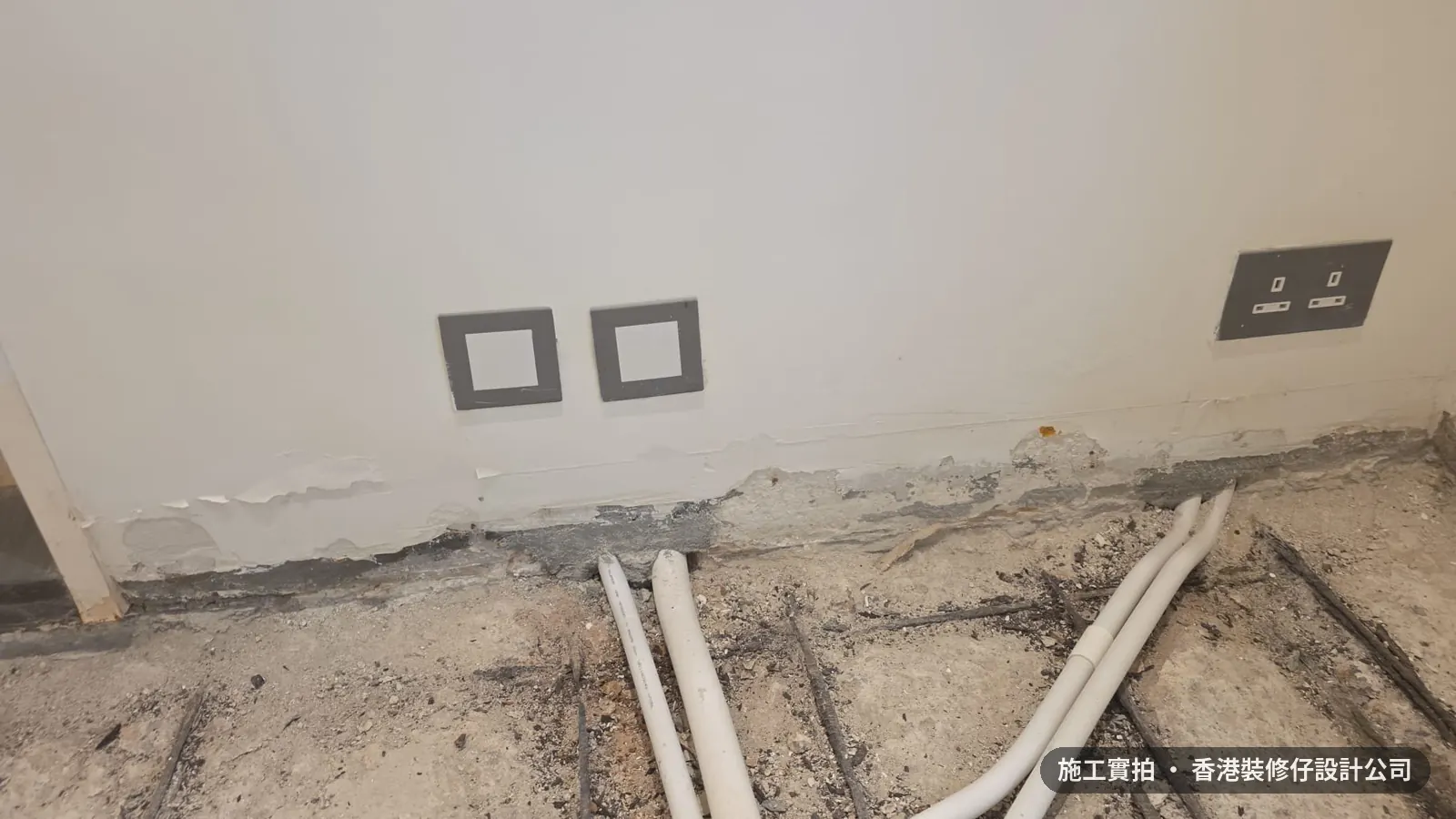
Illustrative quantities only. [12]
11
Common mistakes when dealing with ageing wiring
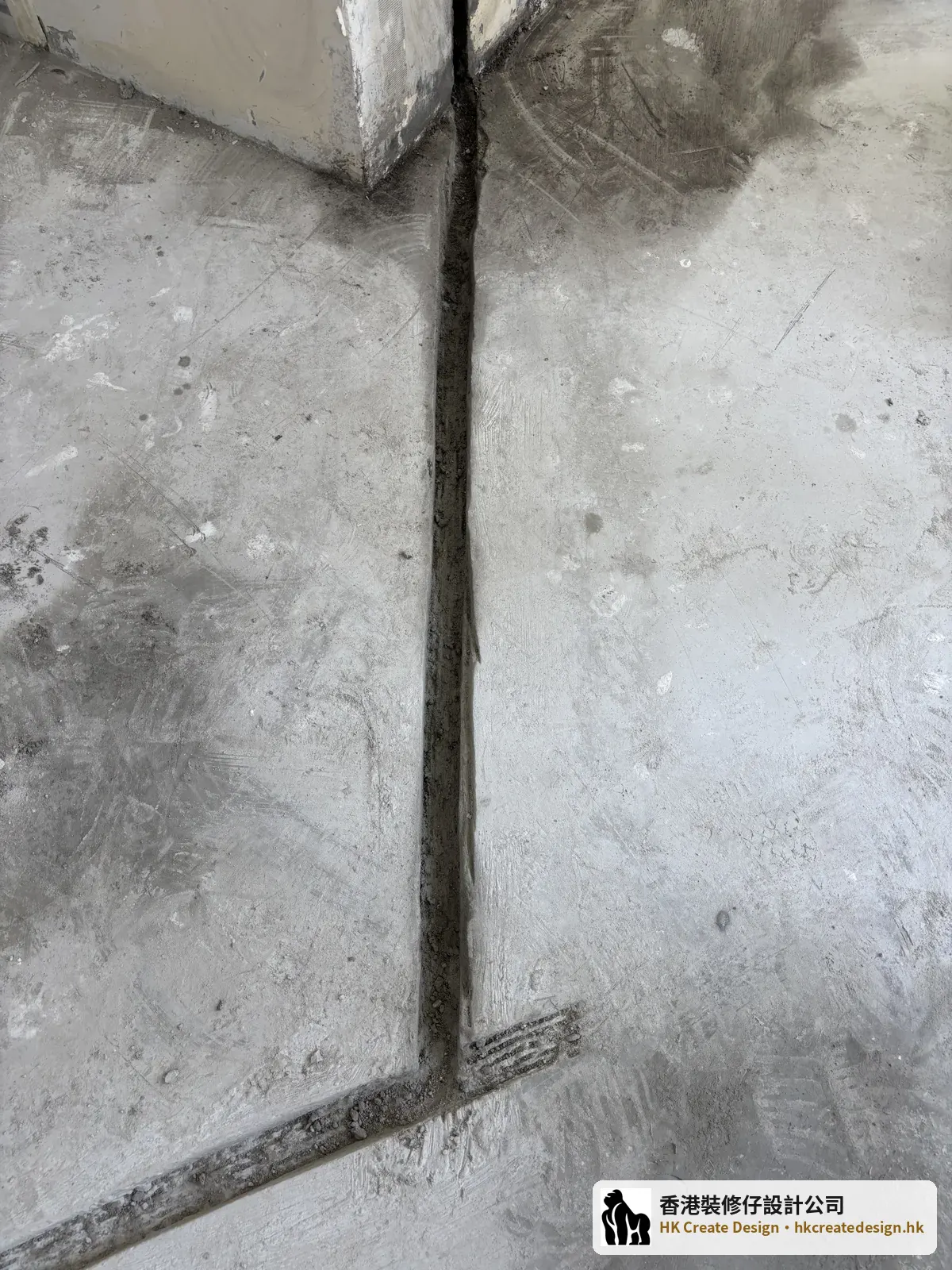
Avoid fitting a higher-rated fuse to stop tripping, changing only a socket faceplate without checking the wiring, rewiring before seepage has been addressed, or hiring an unregistered person to carry out electrical work.
Fifth, even newer wiring deserves attention. Loading, leaks and previous alterations matter alongside age. Sixth, changing the board alone leaves ageing wiring in place.
Start with an inspection, address the findings and retain a WR1 after electrical installation work.[9]
- Do not increase the protective device rating yourself.
- Do not replace only the faceplate.
- Address seepage first.
- Contact a registered electrical contractor.
You can swipe left or right on your phone to view the complete table.
| Do now | What to avoid |
|---|---|
| Smoke, burning smell or sparks: isolate the main supply if safe. | Never touch the board or sockets with wet hands. |
| Stop using hot sockets and extension boards. | Do not dismantle a socket or distribution board yourself. |
| Contact a registered electrical contractor. | Do not fit a higher-rated fuse or MCB to stop tripping. |
| Photograph the location and condition from a safe position. | Do not keep connecting extension boards in series. |
See EMSD safety guidance. [7] [7]
12
Book an electrical inspection.
For a free quotation from the HK Create Design team, WhatsApp 5243 7747 or visit our Wong Tai Sin shop, Monday to Saturday, 10:00–18:00.
If you notice these signs, send photos of the board or sockets on WhatsApp from a safe position. Book H01 if a site inspection is needed.[12] Book a visit when this work is combined with other items. On-site measurement is free through 31 December 2026 for two or more work items, with no deposit. After that, the HK$500 fee is credited against the order.
Our works have a one-year warranty after completion, excluding deliberate damage.
- Send photos via WhatsApp.
- Book an H01 inspection.
- Describe the signs you have observed.
Advice from our tradespeople
「Hot sockets, burnt-smelling switches and repeated flickering can indicate deteriorated wiring or poor connections. Avoid relying on extension boards to work around the problem.」
「Cable insulation in buildings over 30 years old may have become brittle. Even without an incident, consider an inspection by a registered electrical worker.」
「We inspect and test first, then explain whether local repairs or whole-flat rewiring are needed.」
FAQ
15 practical questions answered
01What are the signs of ageing wiring?
Repeated tripping, hot or burnt-smelling sockets, flickering lights, missing RCDs, chained extension boards and seepage near wiring.
02After how many years should wiring be replaced?
No universal replacement interval applies. Base the decision on inspection. EMSD recommends that a registered electrical contractor inspect domestic installations periodically.[7]
03What should I do if a socket smells burnt?
Stop using the equipment. Isolate the affected circuit or, for a serious fault, the main supply if safe, and contact a registered electrical contractor.
04Can I fit a higher-rated fuse if the circuit keeps tripping?
No. Engage a registered electrical contractor to inspect.[7]
05What does an electrical inspection cost?
H01 is HK$770 per inspection, or HK$1,650 for a comprehensive multi-circuit inspection.[12]
06Does every older flat need complete rewiring?
Not necessarily. If concealed wiring passes testing, board replacement or local additions may be enough. Follow the inspection results.
07Do flickering lights mean the wiring is old?
Possible causes include a loose connection or a faulty neutral. EMSD notes that neutral faults can cause unstable voltage.[1]
08Can water seepage affect wiring?
Yes. EMSD notes that water can damage electrical installations and interrupt the supply.[1]
09What additional checks apply to 50-year-old buildings?
An additional residual-current measurement at each flat's meter is required during the applicable building periodic inspection.[1]
10Is the absence of an RCD dangerous?
Without an RCD, earth leakage does not trigger RCD disconnection. Socket circuits should have RCD protection.[8]
11What cable brands does HK Create Design use for rewiring?
Hilly or ei8ht cable ranges, with Prysmian or Nexans as higher-specification options. We select brands with product certifications such as 3C, install to the EMSD wiring code and provide WR1 on completion.
12How do communal electrical installations relate to my flat?
The owners' corporation or management company arranges periodic testing for communal installations above 100 A. Flat owners remain responsible for having their own boards and wiring checked.[7][1]
13How do I test the RCD?
Press the RCD test button at least every three months. It should trip immediately. The householder may operate the button. If it does not trip, contact a registered electrical contractor.[10]
14Do I need to use your company for the work after inspection?
Not necessarily. H01 includes a preliminary report. Use the findings to choose the next step and compare quotes.[12]
15How can I make an appointment?
On-site measurement is free through 31 December 2026 for two or more work items, with no deposit. After that, the HK$500 fee is credited against the order. WhatsApp 5243 7747.
CHECK THE BASIS
Data and technical basis, sources can be verified
- [1]EMSD: maintenance and repair of electrical systems in older buildings (briefing information) Accessed: 2026-11-03
- [2]Buildings Department: 2026–27 Estimates reply on numbers of private buildings by age Accessed: 2026-11-03
- [3]Fire Services Department statistics: fire causes, 2020–2024 Accessed: 2026-11-03
- [4]Government press release: Fire Services Department review of its work in 2025 Accessed: 2026-11-03
- [5]Hong Kong SAR Government, 2026–27 Estimates, Head 42, Electrical and Mechanical Services Department (electrical incident and periodic test certificate indicators) Accessed: 2026-11-03
- [6]EMSD: minutes of the 50th Electrical Safety Advisory Committee meeting (English) Accessed: 2026-11-03
- [7]Electrical and Mechanical Services Department: safe use and maintenance of electrical installations Accessed: 2026-11-03
- [8]EMSD Household Electrical Safety Handbook: general tips for electrical installations Accessed: 2026-11-03
- [9]Electrical and Mechanical Services Department: Household Electrical Safety Handbook, new installations, additions and alterations Accessed: 2026-11-03
- [10]EMSD, E&M Safety Newsletter issue 31: RCD test-button checks Accessed: 2026-11-03
- [11]EMSD: summary of revisions to the Code of Practice for the Electricity (Wiring) Regulations, 2025 edition Accessed: 2026-11-03
- [12]HK Create Design 2026 published rates: electrical work H01–H09 Accessed: 2026-11-03