01
Why tap water turns yellow
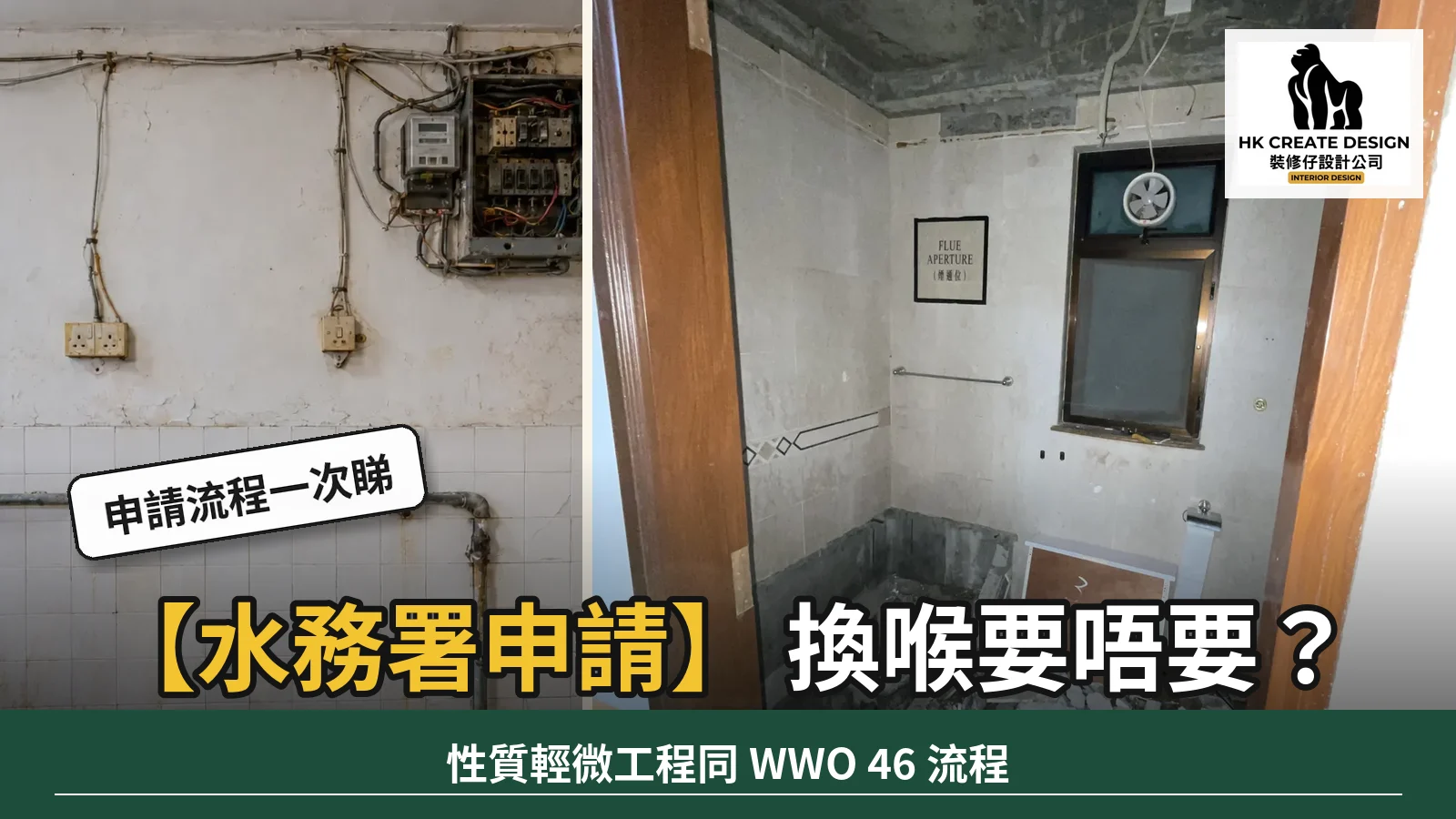
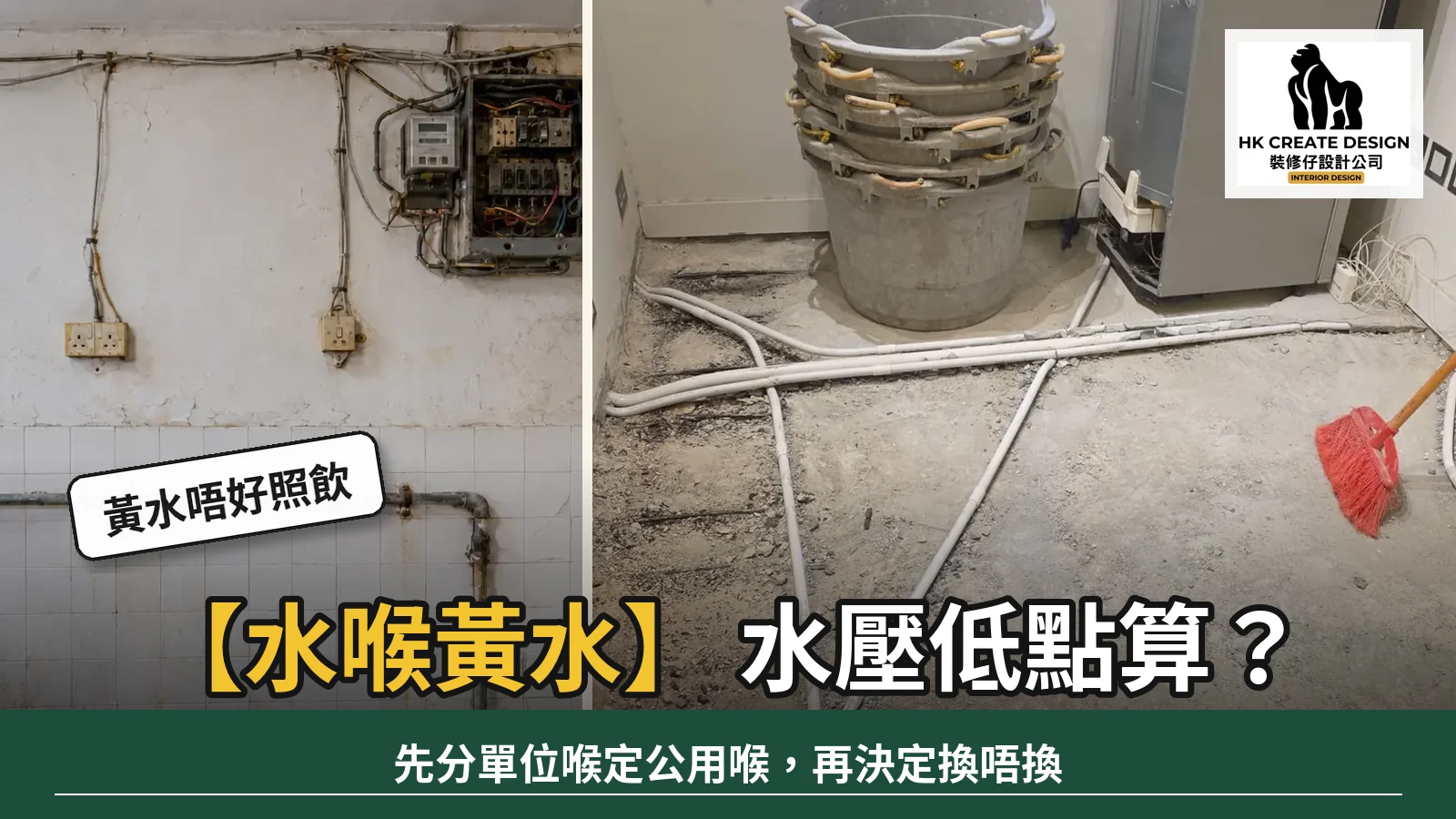
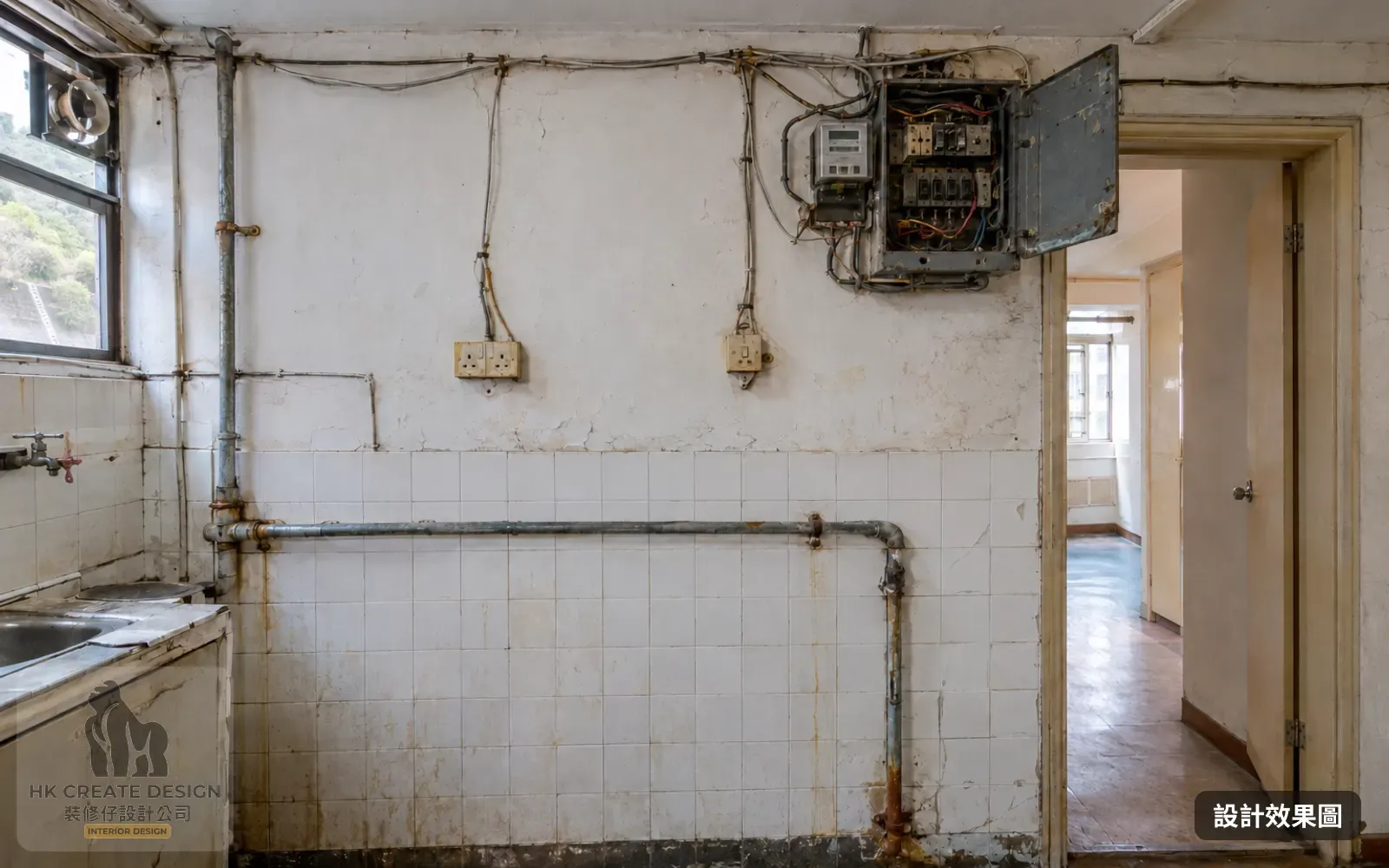
The Water Supplies Department’s Water Matters series explains that old unlined galvanised steel pipes, once common in Hong Kong, can begin rusting after several years. Water left standing in them can turn yellow. The department notes that the small amount of iron in this type of water generally poses no health risk. It often clears on flushing. Severe corrosion may require pipe replacement.[1]
Another Water Supplies Department leaflet identifies corroded plumbing and poorly maintained roof tanks as major causes of cloudy or yellow water. Discolouration is often most visible in the morning or after a period of non-use.[4]
The two main sources of yellow water are pipes and storage tanks. The affected pipe may be inside your flat or communal. A communal roof tank is part of the building’s common system.
- Corrosion in old galvanised steel pipes
- Dirty roof tank
- Most noticeable in the morning or after non-use
02
Step 1. Run the tap and observe the water
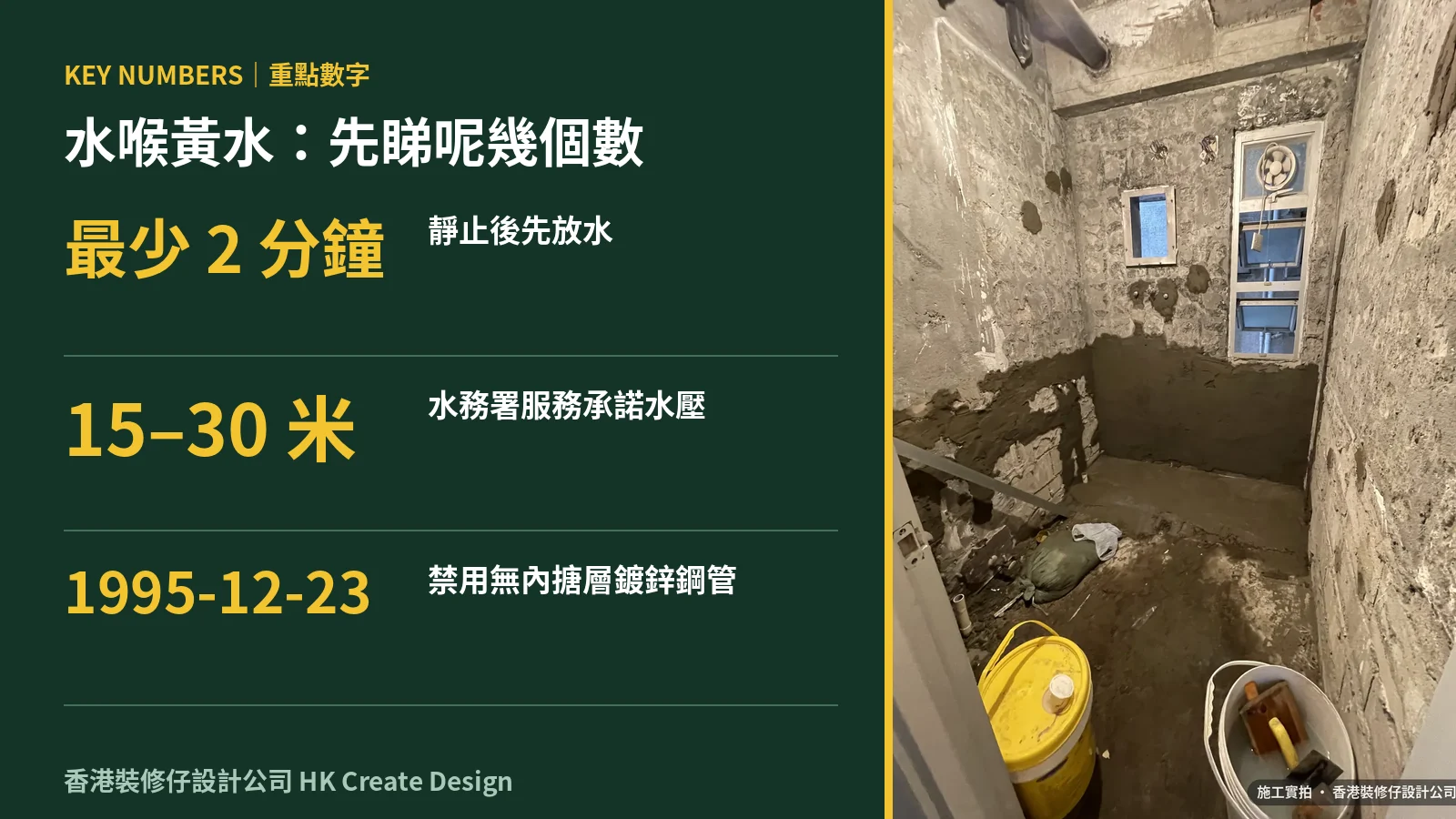
If water has been standing for several hours or overnight, the Water Supplies Department advises running the tap for at least 2 minutes before drawing water for drinking or cooking. Use the cold tap for these purposes.[1]
Collect the water in a clear glass. If it appears white and clears from the bottom upwards after standing, air bubbles are the likely cause. The Water Supplies Department says this appearance is unrelated to water quality.[4] Yellow or brown water that gradually clears after running the tap often comes from water standing in a corroded pipe.
Note whether the water is yellow only in the morning, whether it affects hot or cold water, and whether one tap or every tap is affected. This helps the licensed plumber identify the source.
- Run the tap for at least 2 minutes
- Use a clear glass to check the water
- Compare hot and cold water
- Record the time and affected taps
You can swipe left or right on your phone to view the complete table.
| Symptoms | Common causes | First step |
|---|---|---|
| Yellow water in the morning or after standing | Water left standing in rusty pipes turns yellow [4] | Run the tap for at least 2 minutes [1] |
| Persistent yellow or cloudy water | Corroded pipes or a dirty roof tank [4] | Ask neighbours, notify management and contact a licensed plumber [4] |
| Milky white water | Air bubbles, unrelated to water quality [4] | Leave a glass to stand and see whether the bubbles clear |
| Weak pressure throughout the flat | Partly closed main valve or valve upstream of the meter, or leaking internal pipework [5] | Check valve positions, then engage a designated person |
| Weak flow at individual taps | Corroded pipes or a clogged tap aerator [4] | Clean the aerator and inspect the pipes if the problem persists |
| Sudden loss of water supply | Meter removed for arrears, leaking pipe or building-wide supply interruption [5] | Ask building management and call 2824 5000 [5] |
Adapted from public Water Supplies Department information. Symptoms only indicate possible causes. [1][4][5]
03
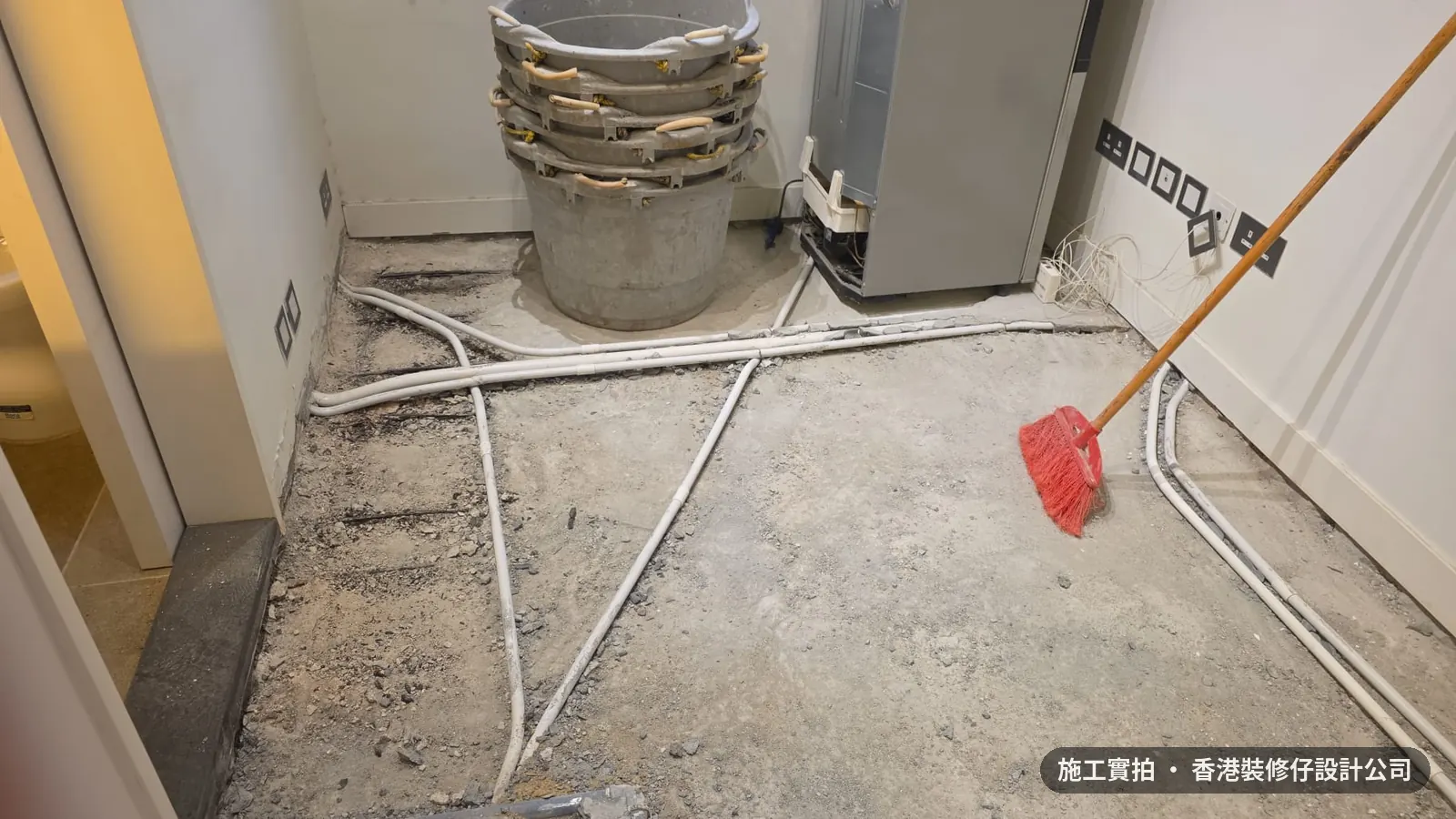
Step 2. Ask neighbours to help distinguish a flat-specific issue from a communal one
The Water Supplies Department's guidance recommends running the water first, then asking neighbours if they are affected. If their water is normal, the issue is probably in your own system and you should engage a licensed plumber. If neighbours are affected too, contact the registered agent. You can then call 2824 5000.[6]
The Water Supplies Department assigns communal pipes, pumps and tanks to management or the registered agent. The individual consumer is responsible for the pipes supplying their flat alone.[4]
Replacing pipes within your flat will not resolve a problem in the building’s tank. Ask management for its tank-cleaning records.
- Ask the neighbours on either side
- Ask building management
- If neighbours’ water is clear, check the pipes in your flat
- Check the common system if neighbours are also affected
「Check several taps. If the whole flat has discoloured water, the source may be the communal pipework or tank. If only one or two outlets are affected, suspect corrosion in a local pipe.」
04
Common causes of low water pressure
The Water Supplies Department’s fault leaflet lists a partially closed main valve or valve upstream of the meter, meter removal for arrears and internal leaks among possible causes of no water or low pressure. Engage a designated person to deal with leaking internal pipes.[5]
Corrosion can restrict the pipe bore and weaken the flow.[4] Rust builds up inside old galvanised steel pipes and reduces their effective diameter. The drop in flow can be particularly noticeable when two taps run together.
The supply arrangement matters. The Water Supplies Department explains that a direct supply comes from the street main and an indirect supply comes through a roof tank. Most buildings use a combination. The department’s pledged head of 15 to 30 m is generally sufficient for direct supply to about the sixth or seventh floor.[2] For high floors fed by a roof tank, pressure is naturally lower in the top few storeys.
- Check that the main valve is fully open
- Check the valve upstream of the meter
- Check whether the meter has been removed
- Check for a pipe restriction
05
Excessive pressure can be a problem on lower floors
Higher pressure can cause problems. The Water Supplies Department notes that flats on lower floors are more prone to damaged or burst pipes because the pressure can be greater.[2] The Water Supplies Department’s English application guide states that pressure at any draw-off point should remain below 6 bar.[7]
In a lower-floor flat with frequent leaking joints or water hammer at the taps, ask a licensed plumber to assess whether pressure reduction is needed.
Select copper pipe sizes and fittings for the supply pressure and use. The main run should generally be at least 20 mm. A 15 mm branch may serve one outlet if it is no longer than 3 metres.[7]
- Look out for excessive pressure on lower floors
- Pressure at an outlet should remain below 6 bar
- Size the pipes to the applicable requirements
06
When to consider pipe replacement
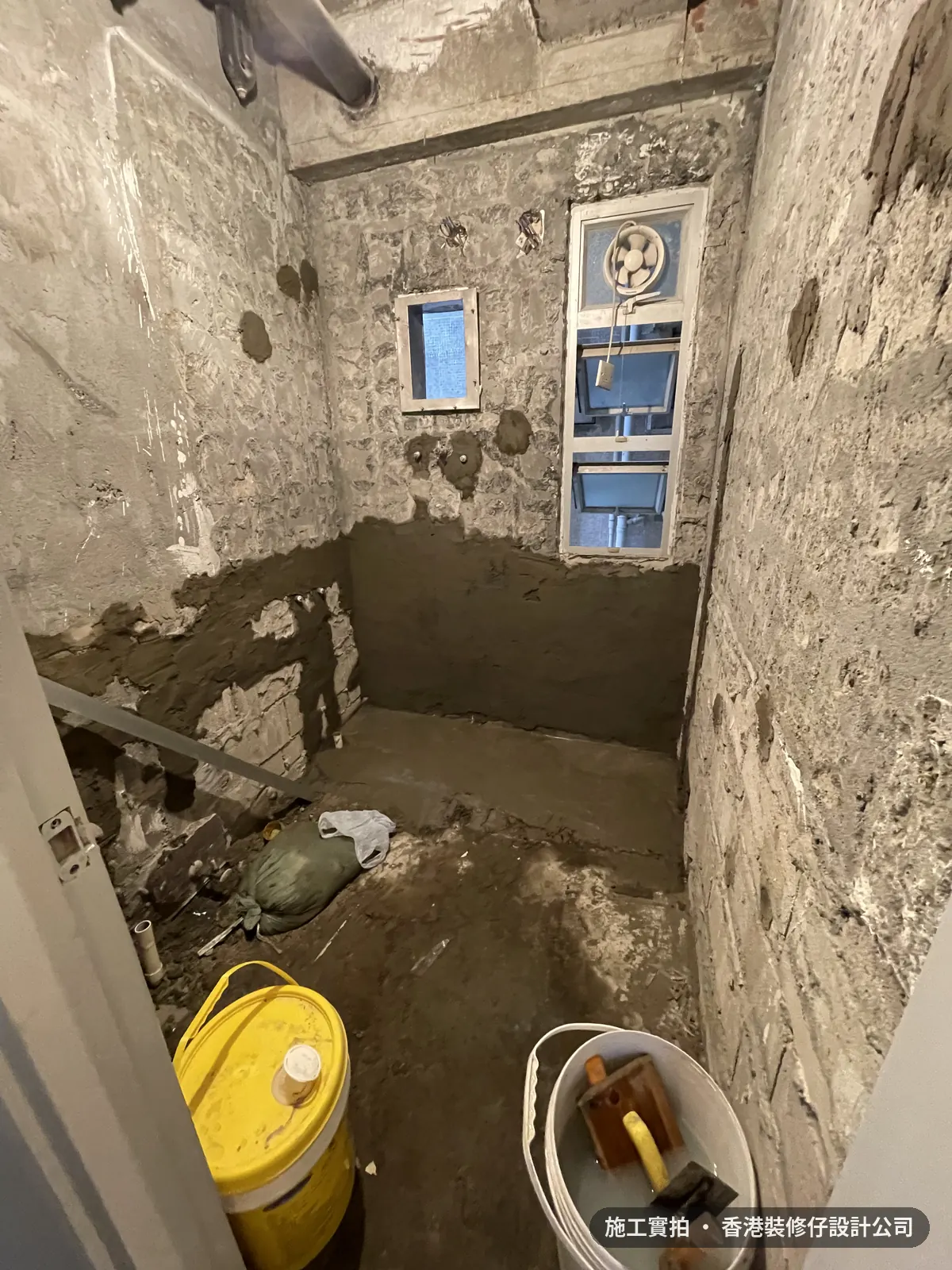
For serious and persistent discolouration, the Water Supplies Department advises owners to engage a licensed plumber to inspect the flat’s pipes and replace corroded runs where necessary, and ask management to check communal installations.[4]
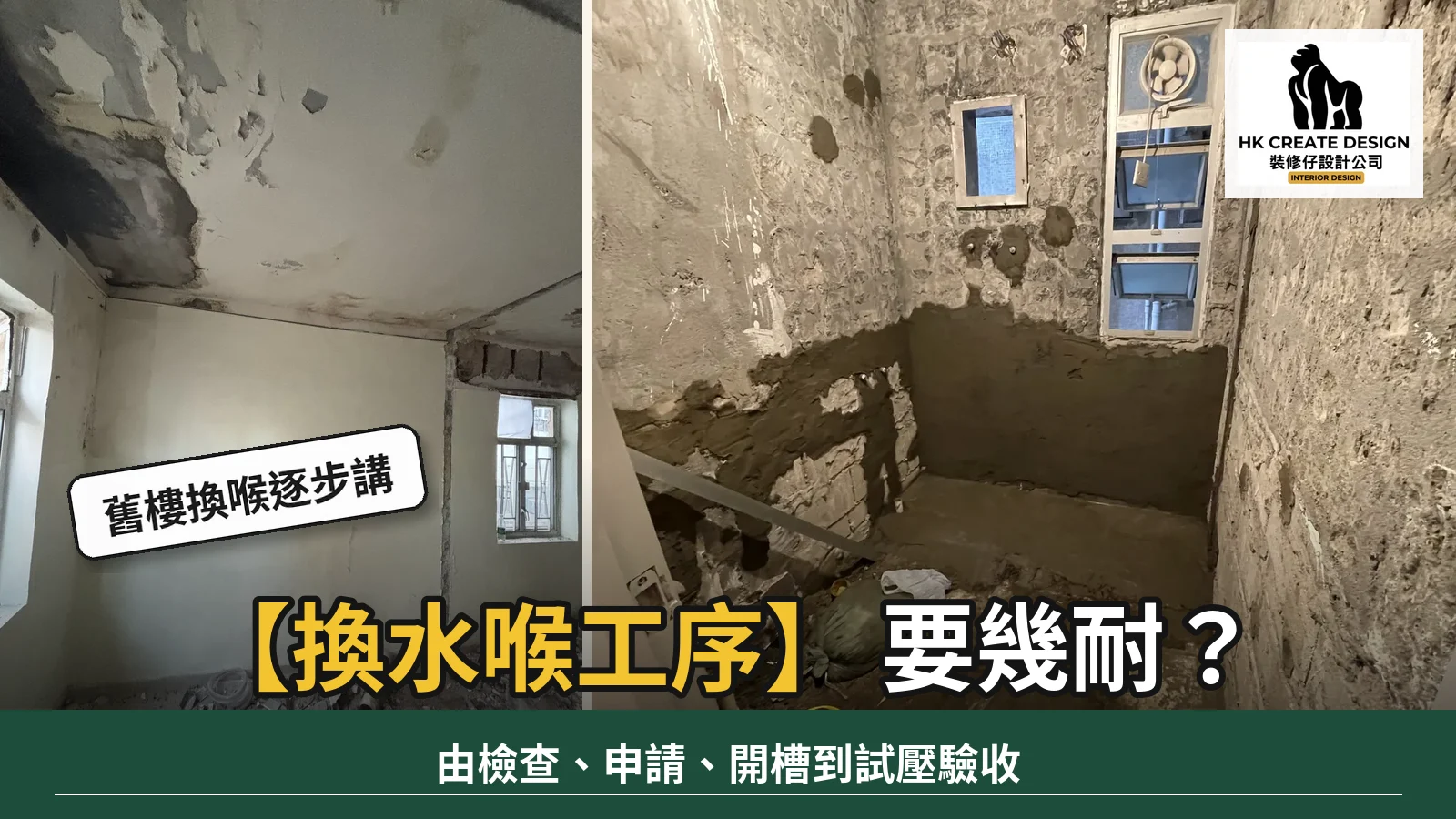
Our installers find that when an opening-up inspection reveals old galvanised steel pipes with corrosion at multiple points, local repair leaves the next failing section in service. A whole-flatCopper pipe replacementaddresses the underlying cause. G01 opening-up inspection costs HK$930. We photograph the exposed pipes so the owner can see their condition.[8]
If only the hot water is yellow, the heater or hot-water branch may be the source. Whole-flat replacement may be unnecessary if cold water is clear. For heater faults, see our water heater replacement guide.
- Consider replacement for persistent, serious problems
- Open up and photograph the pipe condition
- Consider whole-flat replacement for extensively corroded galvanised steel pipes
- If only the hot water is yellow, check the heater first
Example 1: water used by flushing for two minutes daily at an assumed flow rate
Assumptions
- Example assumes the kitchen tap runs at 6 litres per minute.
- Run the tap for 2 minutes each morning in this example, following Water Supplies Department guidance. [1]
How to calculate quantities
- Water per flush: 6 × 2 = 12 litres.
- Over a month, 12 × 30 = 360 litres, or 0.36 cubic metres.
A short flush uses relatively little water. If the water takes a long time to clear every day, flushing alone is unlikely to resolve the underlying fault.
The flow rate is assumed. Flushing clears standing water but does not repair a corroded pipe. [1]
07
Budget for replacing pipes with copper
Published prices: G05 replacement kitchen and bathroom supply and waste pipes throughout the flat, HK$22,300. G03 full kitchen or G04 full bathroom pipe replacement, HK$13,300 each. G02 relocate a hot- and cold-water point, HK$1,700 per point. G06 washing-machine waste and cold-water connection, HK$1,550. All include pressure testing.[8]
We use copper drinking-water pipes. Common brands include Wednesbury, Kembla (Kempress), LAWTON, OTTO and OPAL. We do not use galvanised iron pipes. Rebuilding concealed runs or opening walls for new routes is quoted separately after a site survey.
For worked price examples, seePipe replacement pricesguide. For the scope of our service, see the pipe replacement page.
- G05 HK$22,300
- G02 HK$1,700/person
- Copper throughout
08
Common mistakes when dealing with yellow water
1. Treating a filter as the entire solution. It may improve water at the filtered tap, but the pipes continue to corrode and other outlets can remain discoloured. 2. Replacing only half the run and mixing new copper with old galvanised pipe without addressing the remaining corrosion. 3. Opening walls before asking neighbours, when the tank is the source.
4. Using hot tap water for cooking. The Water Supplies Department recommends cold tap water for drinking and cooking.[1] 5. Assuming milky white water must be contaminated. Cloudiness that clears from the bottom up on standing is characteristic of air bubbles.[4]
6. Skipping checks after repiping. Where sampling is required for the application, criteria include colour ≤5 Hazen units, turbidity ≤3.0 NTU and lead ≤10 µg/L.[3]
- A water filter does not repair corroded pipes
- Avoid unsuitable connections between old and new pipes
- Ask the neighbours first
- Use cold tap water for cooking
- Checks after pipe replacement
You can swipe left or right on your phone to view the complete table.
| Site conditions | Possible source of the problem | Who to contact |
|---|---|---|
| Neighbours unaffected, with discolouration or weak flow in your flat | Inside service supplying your flat [6] | Licensed plumber [6] |
| Neighbours have the same problem | Communal facilities such as the tank and common pipes [6] | Registered agent or building management, followed by 2824 5000 [6] |
| Only the hot water is yellow | The heater or a section of hot-water pipe | Check the heater and hot-water pipework |
| No water throughout the building | Building-wide or street-main supply interruption | Building management or the Water Supplies Department hotline [5] |
The Water Supplies Department says each consumer is responsible for pipes serving only their flat. Management or the registered agent is responsible for communal pipes, pumps and tanks. [4] [4][5][6]
09
Handover after repiping: checking the water is clear
The contractor must disinfect and flush the replacement pipework. Water Supplies Department guidance specifies at least 30 ppm free chlorine for at least 30 minutes, followed by flushing.[3] For work requiring sampling in an occupied building, allow the prescribed minimum 30-minute stagnation period before taking the metals sample.[3]
Check the first draw of the morning in a clear glass. Open two taps together and note how the flow changes. If the cold water clears but hot water remains discoloured, arrange a heater check.
At handover, ask for pressure-test results, photos of pipe routes and the Water Supplies Department documentation for work requiring an application.
- Disinfect and flush
- Check the water colour in the morning
- Test the water pressure
- Collect the handover documents
10
What the Water Supplies Department says about discoloured water and pressure
The Water Supplies Department says rust-related yellow water generally contains small amounts of iron and poses little health risk. Severe corrosion can call for replacement.[1] Corroded pipes and dirty tanks are major causes.[4] Ask neighbours first to help establish responsibility.[6] If there is no water or flow is weak, check the valves first. Arrange a designated person to deal with an internal supply-pipe leak.[5]
The Water Supplies Department prohibited unlined galvanised steel pipes from 23 December 1995.[1] Flats completed before 1995 that still have their original pipes are especially prone to yellow water.
Management determines responsibility for common areas. We can inspect pipes inside the flat and arrange copper replacement with a partner licensed plumber.
- Consider pipe replacement for severe rust-related discolouration
- Establish responsibility first
- Check pipes installed before 1995
Example 2: discoloured hot water only, with local hot-water pipe replacement
Assumptions
- Cold water is clear. Only the hot water is discoloured.
- Inspection confirms corrosion in the hot-water pipe from the heater to three outlets.
- The water heater itself is in normal condition.
How to calculate quantities
- G01 Opening up to inspect supply and waste pipes, HK$930. [8]
- G02 Changing the hot and cold water pipe locations: 3 × HK$1,700 = HK$5,100.
- Total: HK$930 + HK$5,100 = HK$6,030.
Indicative price of about HK$6,030 for replacing a local hot-water section.
A fault within the heater is a separate matter. Water heater replacement is quoted as a separate item. Refer to the written quotation. [8]
11
How owners can follow up on roof tanks and communal pipes
If neighbours also have discoloured water, the source is likely communal. The Water Supplies Department identifies corroded plumbing and dirty roof tanks as common causes. Common pipes, pumps and tanks are the responsibility of management or the registered agent.[4]
Ask management how often the tank is cleaned, the last cleaning date and whether common pipes are due for replacement. Raise the issue at an owners’ corporation meeting if applicable. The Water Supplies Department recommends checking with management and neighbours before calling its hotline on 2824 5000.[5]
The owners’ corporation or management must arrange work on communal pipes. An individual flat owner cannot arrange a communal replacement independently. Discolouration may persist after fitting new copper pipes inside the flat if the common system is still affected.
- Ask for tank-cleaning records
- Raise it at an owners’ corporation meeting
- Hotline 2824 5000
- Arrange communal pipe work through management
12
How pressure problems differ on high floors, low floors and in village houses
On higher floors, an indirect supply comes through a roof tank. The Water Supplies Department says most buildings use a combination of direct and indirect supply.[2] The top few floors have little height difference from the roof tank, so gravity pressure is lower. Replacing the flat’s pipes may have little effect. Check the building’s supply design.
Lower floors can have higher pressure, increasing the risk of pipe damage or bursts.[2] Frequent joint leaks or water hammer when taps close may call for pressure reduction. Pressure at a draw-off point should remain below 6 bar.[7]
Many village houses receive water directly from the street main, so pressure depends on location. Old, undersized pipes can restrict the flow. Size replacements to the applicable rules. The main run should generally be at least 20 mm.[7]
For low pressure in a mid-level flat, check for a restriction within the flat or a partly closed valve. Start with the Water Supplies Department’s fault guidance.[5]
- Upper floors: check the building’s supply design
- Lower floors: look out for excessive pressure
- Village houses: pipe diameter and age
- Middle floors: check pipes and valves first
You can swipe left or right on your phone to view the complete table.
| practice | Suitable for the situation | Company reference price |
|---|---|---|
| Drain water | Occasional discolouration after a period of non-use [1] | No charge |
| Clean the aerator or replace the tap | Weak flow at one tap | K02 Install a basin and tap, HK$1,150 [8] |
| Replace selected pipe sections | One or two corroded pipe sections | G01 HK$930 plus G02 HK$1,700 per point [8] |
| Replace pipework throughout the flat with copper | Widespread corrosion of old galvanised steel pipes [1] | G05 HK$22,300[8] |
Company prices follow our published 2026 list and are subject to a site survey and written quotation. [1][8]
13
Everyday ways to limit discolouration and pressure problems
1. Run the tap on returning from a trip. The Water Supplies Department advises flushing for at least 2 minutes when water has been standing for several hours or overnight.[1] 2. Clean the tap aerator regularly. Rust deposits can reduce the flow.
3. Watch for changes. If the water takes much longer to clear than it used to, the pipes may be deteriorating. 4. Consider copper replacement during a kitchen or bathroom renovation so you can plan the work before a pipe bursts.
5. Use cold tap water for drinking and cooking.[1] 6. Contact the Water Supplies Department if you have a water-quality concern. We can check pipes inside the flat. Formal water-quality testing should go through the appropriate authority or laboratory.
- Run the tap after returning from a trip
- Clean the aerator regularly
- Monitor changes in water colour
- Replace with copper during renovation
14
Water filters, tap aerators and water heaters: identifying a fitting fault
A weak tap may have a blocked fitting. Rust flakes or grit can accumulate in the aerator at the outlet. Cleaning it often restores flow. Check it first if only one tap is affected.
A clogged filter cartridge can reduce flow at the kitchen tap. Replace it according to the manufacturer’s instructions. A blocked heater inlet strainer or pressure-reducing valve can also make hot water flow more slowly than cold water.
If cleaning the fittings fails to improve the flow, or every tap is weak, check the pipes and valves.[5] Customers choose their taps and sanitary fittings. We charge for installation, for example HK$970 for a shower mixer under K03.[8]
- Clean the tap aerator
- Replace the water filter cartridge
- Check the water heater inlet
- Check the pipes if flow remains weak
Example 3: discoloured water throughout a flat — local repairs or full repiping?
Assumptions
- An older flat where inspection confirms original galvanised steel pipes throughout.
- Example includes 8 outlets across the kitchen and bathroom, plus a washing-machine point.
How to calculate quantities
- Repair by point: G01 HK$930 + G02 at 8 × HK$1,700 = HK$930 + HK$13,600 = HK$14,530. The main run and other original sections remain. [8]
- Whole-flat option: G05 HK$22,300 plus G06 washing-machine waste and cold supply HK$1,550, totalling HK$23,850.
- Difference: HK$23,850 − HK$14,530 = HK$9,320.
The whole-flat option costs about HK$9,320 more but replaces all the old runs at once and can avoid reopening walls later.
The number of outlets is assumed. Concealed pipe replacement and opening new routes through walls are priced separately, subject to a survey and written quotation. [8]
15
Steps for investigating yellow water and low pressure
1. Run the tap for at least 2 minutes and check the colour in a clear glass.[1] 2. Record what happens at each hot and cold tap. 3. Ask neighbours and management to help distinguish an internal fault from one in the communal pipes.[6] 4. Check that the main valve and the valve upstream of the meter are fully open.[5]
5. Clean the tap aerator and check the filter cartridge. 6. If the problem persists, arrange for a licensed plumber to inspect the flat’s pipes. The G01 opening-up inspection is available if needed.[8] 7. If inspection confirms widespread corrosion of old galvanised steel pipes, consider whole-flat replacement with copper.
Following these checks can avoid opening walls unnecessarily or mistaking a communal problem for a fault inside the flat.
- Run the tap and observe the water
- Record your observations
- Ask neighbours
- Check the water valves
- Clean the fittings
- Engage a licensed plumber
- Consider copper pipe replacement
16
Arrange copper pipe replacement with HK Create Design
HK Create Design opened in 2019. Our team has 15 years of works experience and installs copper drinking-water pipes. Our partner licensed plumber handles Water Supplies Department applications. The work has a one-year warranty, excluding deliberate damage.
For a free quotation from a construction team, contact HK Create Design on WhatsApp 5243 7747. The Wong Tai Sin showroom opens Monday to Saturday, 10:00–18:00. On-site measurement is free through 31 December 2026 for two or more work items, with no deposit. After that, the HK$500 fee is credited against the order.
- Send a photo of the water colour by WhatsApp
- Book a site measurement
Advice from our tradespeople
「Check several taps. If the whole flat has discoloured water, the source may be the communal pipework or tank. If only one or two outlets are affected, suspect corrosion in a local pipe.」
「Weak flow may be caused by a partly closed valve upstream of the meter or a clogged strainer. Checking the valve and cleaning the strainer first can save the cost of unnecessary repiping.」
「If the problem is in communal pipes, contact management or the Water Supplies Department as appropriate. We help identify who should follow up before recommending replacement.」
FAQ
11 practical questions answered
01What if I have drunk discoloured tap water?
The Water Supplies Department says discolouration from trace iron generally poses no health risk and usually clears when flushed. Severe cases may require pipe replacement.[1]
02What if discoloured water comes out only in the morning?
Run the tap for at least 2 minutes before drawing water for drinking or cooking.[1] Arrange a pipe inspection if the tap must run for a long time every day before the water clears.
03Is milky water from the tap a problem?
Milky white water can be caused by air bubbles and does not in itself indicate a water quality problem.[4]
04How can I tell whether discoloured water comes from my flat or the building?
Ask neighbours. If their supply is normal, the issue is probably inside your flat. Contact a licensed plumber. If neighbours are also affected, contact the registered agent.[6]
05What should I do if water pressure suddenly drops?
Check that the main stop valve and the valve before the meter are fully open. Leaks in internal pipes can also reduce pressure and need attention from the designated personnel.[5]
06Is low water pressure normal on high floors?
The Water Supplies Department service pledge is 15–30 m of pressure head, sufficient for direct supply to about six to seven storeys. Higher floors generally use roof tanks.[2]
07Can installing a water filter resolve discoloured tap water?
It may improve drinking water, but does not halt corrosion in a rusting pipe. The underlying solution described here is replacement with copper pipe.
08How much does whole-flat copper repiping cost?
HK Create Design G05 whole-flat replacement of kitchen and bathroom supply and drainage pipes is HK$22,300 including pressure testing. Concealed pipe reconstruction is quoted separately.[8]
09If only the hot water is discoloured, do the pipes need replacing?
Not necessarily. Check the water heater and hot-water pipe section first. The Water Supplies Department also advises against using water from the hot tap for drinking or cooking.[1]
10How do I know the water quality is acceptable after repiping?
Where an application is required, water samples must meet limits including colour ≤5 Hazen, turbidity ≤3.0 NTU and lead ≤10 µg/L.[3]
11Can I send photos first for a quotation?
Yes. WhatsApp photos of the water colour and pipe location to 5243 7747 for initial assessment and a quotation.
CHECK THE BASIS
Data and technical basis, sources can be verified
- [1]Water Supplies Department: Water Facts Accessed: 2026-11-03
- [2]Water Supplies Department: How inside-service water supply systems work Accessed: 2026-11-03
- [3]Water Supplies Department: Guide to Application for Water Supply (October 2026 edition) Accessed: 2026-11-03
- [4]Water Supplies Department: water supply problems in private estates and buildings and maintenance of inside service systems Accessed: 2026-11-03
- [5]Water Supplies Department: leaflet on technical water supply complaints Accessed: 2026-11-03
- [6]Water Supplies Department: fresh water plumbing system Accessed: 2026-11-03
- [7]Water Supplies Department: Guide to Application for Water Supply (January 2025) Accessed: 2026-11-03
- [8]HK Create Design 2026 detailed project budget and public price list Accessed: 2026-11-03