01
Separate "cleaning, ventilation, testing, and treatment" first to avoid spending the wrong money
If plaster dust, sawdust, paint spots and silicone remain after the works, deal with cleaning and handover first. Sanding, cutting and grinding produce dust. Government advice includes isolating the work area and providing ventilation and extraction. Final cleaning is best after the last filling, painting and cabinet installation.[1]
Ventilation deals with air exchange and will not "blow away" wood chips, dust in window slots or glue stains on the floor; conversely, deep cleaning cannot stop the subsequent release of boards, paint or adhesives. The Indoor Air Quality Information Center lists pressed wood products, particle board, medium density fiberboard, adhesive glue and certain renovation materials as the major indoor sources of formaldehyde. Therefore, homeowners should ask "whether the source is still entering or continuing to release" before deciding whether testing or surface treatment is needed.[3]
A test is a reading of specific sampling conditions, not a pass to occupancy. The Consumer Council reminds that the sampling location and length of time will affect reliability, and errors are more likely to occur when the instrument is not calibrated or verified. If the supplier can only say "test once and it's safe," but cannot explain the sampling point, time, instrument and reporting restrictions, this is not a comparable service.[2]
- Has the project really stopped for polishing, plastering, painting and moving in new boards?
- Are cleaning, ventilation, inspection and treatment itemized in the quote?
- Does anyone use a single scent, test strip or reading as a guarantee of stay?
02
The first round after project handover: record the source and scope well
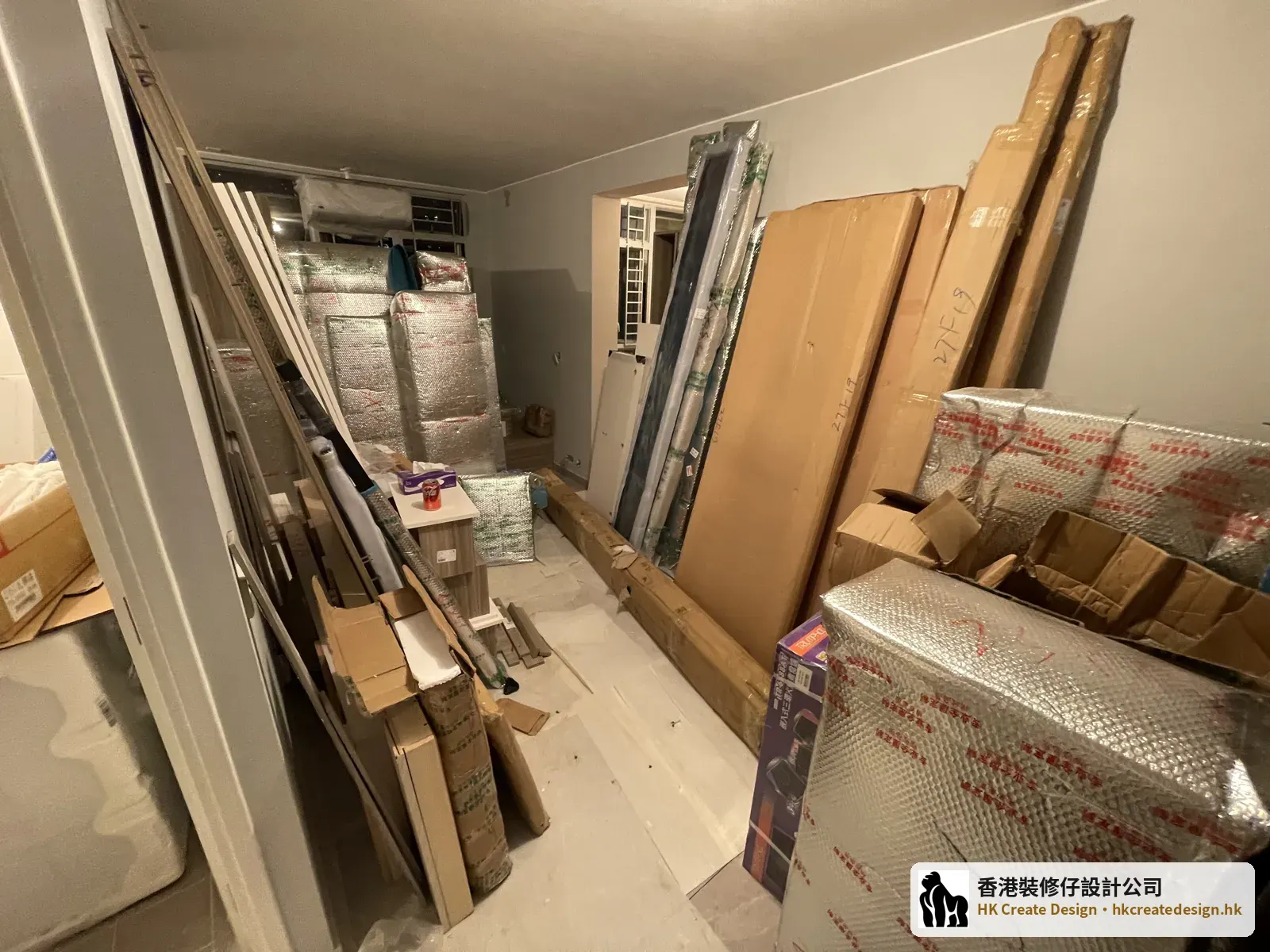
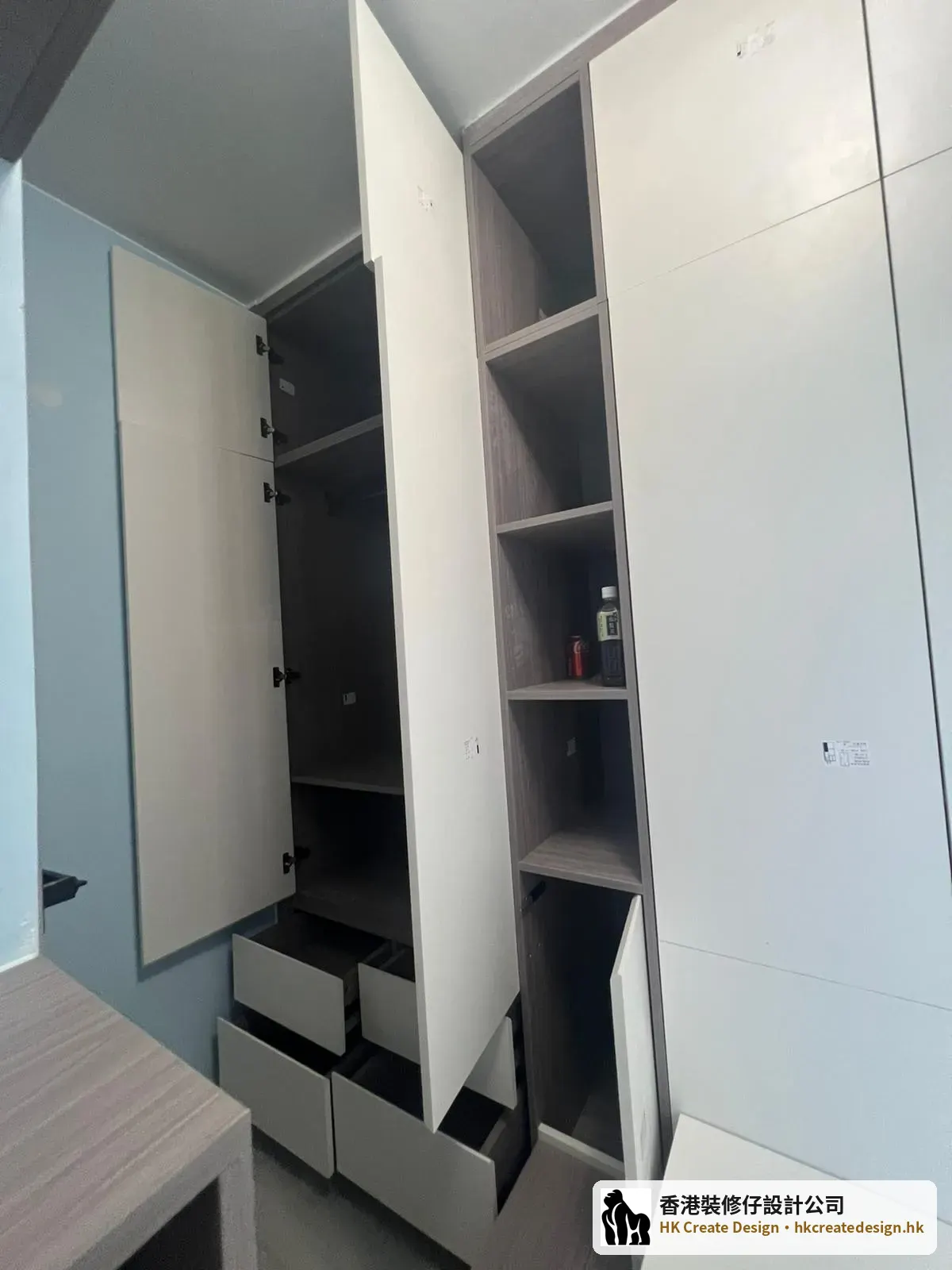
Before arranging cleaning, use your mobile phone to take photos of the floor, window slots, cabinet interiors, door frames, ceiling edges, air exhaust vents and bathrooms by room. The photos are not intended to hold any party accountable, but rather to allow the cleaning company, contractor, and homeowner to use the same scope list. Also note the date when the last paint, silicone, flooring, custom cabinets and soft furnishings arrived; these dates are more useful than "just finished" if you want to find out the timing of odors or contamination in the future.
Divide the problem into three columns: construction residue that can be removed, defects that need to be repaired by the original project, and safety issues that cannot be confirmed at the moment. The first two include protective tape residue, wipeable paint spots, unsealed silicone or scratches on the cabinet door; the third category includes continuous water seepage, suspected mold, abnormal electrical switches, loose window parts or unknown old materials. The third category does not rely on enhanced cleaning, but should first stop at the on-site verification level.
At the same time, confirm with the management office the construction period, lift protection, temporary garbage storage, dump truck entry and exit and removal rules. The government also recommends that owners check the approved plans, minor works records and the restrictions in the building's deed of mutual covenant before starting any work. This information will affect the removal and subsequent engineering arrangements, and it is not appropriate to deal with it temporarily after the cleaning team arrives at the scene.[4]
- Photos of finishes, stains and imperfections in each room
- Last date of arrival of materials and furniture
- Management office clearance, lift and construction arrangements
- Final items that need to be repaired by the original organizer
You can swipe left or right on your phone to view the complete table.
| service level | The range that should be clearly stated at the time of settlement | Quantity or pricing verification | Common unincluded items and risks | Documents requested before decision |
|---|---|---|---|---|
| Rough cleaning and waste sorting | Large packaging, garbage, visible wood chips and construction dust can be removed; first confirm whether the project handover has been completed. | It can be calculated based on cars, bags, man-hours or on-site projects, but transportation, disposal and management must be arranged separately. | Construction rubble, surplus cement, furniture and hazardous or suspect materials generally fall outside routine cleaning. List them separately to make quotations comparable. | Project final order, management office rules, removal destination and additional transportation conditions. |
| Cleaning after careful renovation | Glass, window slots, cabinets inside and outside, wall skirting, exhaust fans, bathroom hardware and safe-to-touch surfaces are listed one by one. | It can be calculated based on usable area, per square foot, man-hours plus manpower, or the total amount; rooms, cabinets, windows, and high-level locations should be listed. | Ceilings, cracks, door handles, bathroom screens, toilet seats, walls or deep stains may not be included; the Consumer Council's survey also found that different companies have different exclusions. | Cleaning checklist, photo delivery criteria, redo scope, supplies/tools, remote area or holiday surcharges. |
| Formaldehyde removal or surface treatment | Cleaning and treatment before and after construction, whether the surface and cabinets are included, whether drawers need to be emptied, how to store food and tableware, and ventilation requirements after construction. | List them separately by the usable area, treatment surface, and number of cabinets or furniture pieces; you cannot just look at the total amount of the "whole house". | Treatment agents do not stop boards, paint or furniture from continuing to emit formaldehyde. Photocatalytic treatments also depend on conditions such as light exposure. Complete removal and immediate occupancy cannot be guaranteed. | Specific product names, labels and safety information, applicable surfaces, construction restrictions, trigger conditions for review and maintenance. |
| Indoor air testing | List the sampling room, sampling location, test period, sampling time, instrument/laboratory, reading units, and baseline for comparison in the report. | Pricing can be based on points, rooms or one service; first ask whether sampling in the cabinet and open space is done separately, and whether the re-inspection is charged separately. | A single location, a short sampling period, or an uncalibrated instrument may not reflect the entire house; a measured reading may not necessarily identify the true emission source. | Original readings, calibration/verification data, report date, test environment records, and result limitations. |
| There are still units that have been demolished or renovated | Complete legal and safe demolition, repairs, basic cleaning and engineering acceptance first, and then address pre-occupancy cleaning and air issues. | The number of walls, floors, cabinets, scrap carts and protection ranges should be measured; unit feet cannot be used to replace the entire disassembly amount. | Structural, drainage, electrical, aluminum windows, facades or asbestos concerns are not replaceable by a cleaning service; incorrect start of service will result in subsequent cleaning being wasted. | Approval of plan/deed of mutual covenant requirements, comments from qualified persons, written scope of works and photos of issues. |
The Consumer Council's 2023 survey shows that the charging methods, coverage and uninclusive items for post-renovation cleaning and formaldehyde removal vary greatly; the above table is a question framework for comparing quotations, not any company's standard package, quotation or legal opinion. [2][3][4][6]
03
Deep cleaning is not just a matter of "whole house": write down the settlement standards area by area
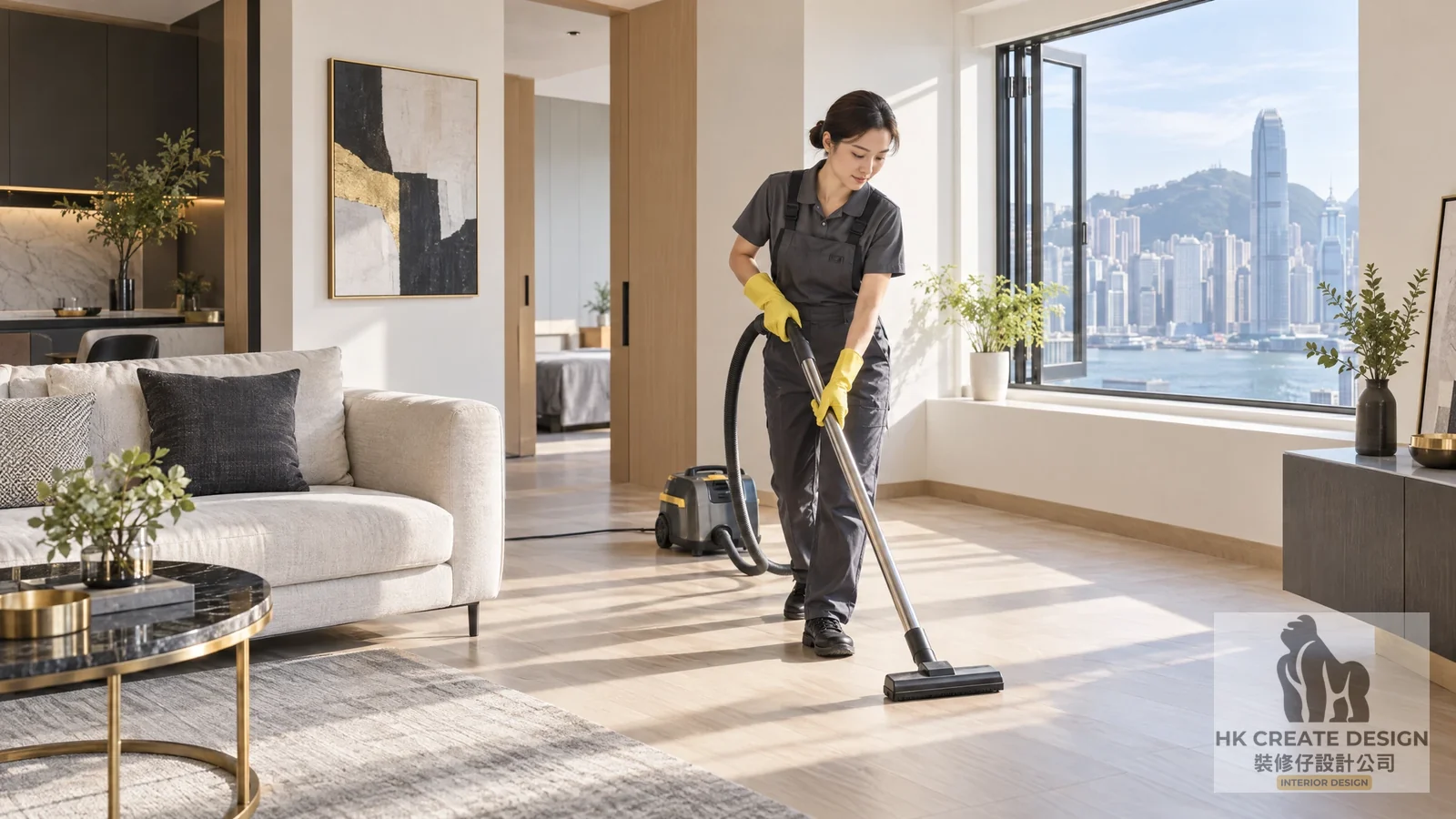
AppropriatePost-renovation cleaninggenerally proceeds from high to low so dust does not settle back onto a cleaned floor. Confirm the areas covered: reachable inner and outer glass surfaces, window tracks, cabinet interiors and exteriors, doorframes, skirting, extractor fan faces, sinks, hardware, balconies and floors. Leave hazardous methods to the contractor. Agree which furniture and appliances can be moved and which will be cleaned only on exposed surfaces, to avoid disagreement at handover.
The most easily missed items are "cleaning" and "waste removal". The Consumer Council's 2023 survey pointed out that service providers cover items such as door handles, ceilings, bathtubs or basins, bath screens, toilets, gaps, walls and skirting lines in different ways; some services also do not clean up the remaining cement, furniture and garbage after renovation. Requiring the supplier to write down the inclusions and exclusions item by item is more acceptable than asking the supplier to "make it clean".[2]
When handing over, you can use the same set of photos to check area by area instead of looking through them hurriedly when the lighting is insufficient. If there are redo arrangements, please indicate which locations, when the return visit will be, and whether it will be limited to the original service scope. Do not use "no smell after cleaning" as proof of formaldehyde removal effectiveness or immediate occupancy; these two things need to be judged separately.
- Are the glass, window slots, cabinet interiors, air extraction vents and wall skirtings listed individually?
- Confirm who handles construction debris, leftover materials, furniture and household waste separately.
- Are the redo location, delivery photos and time limit specified in writing?
04
Ventilation is basic, but new materials and humidity must be managed at the same time
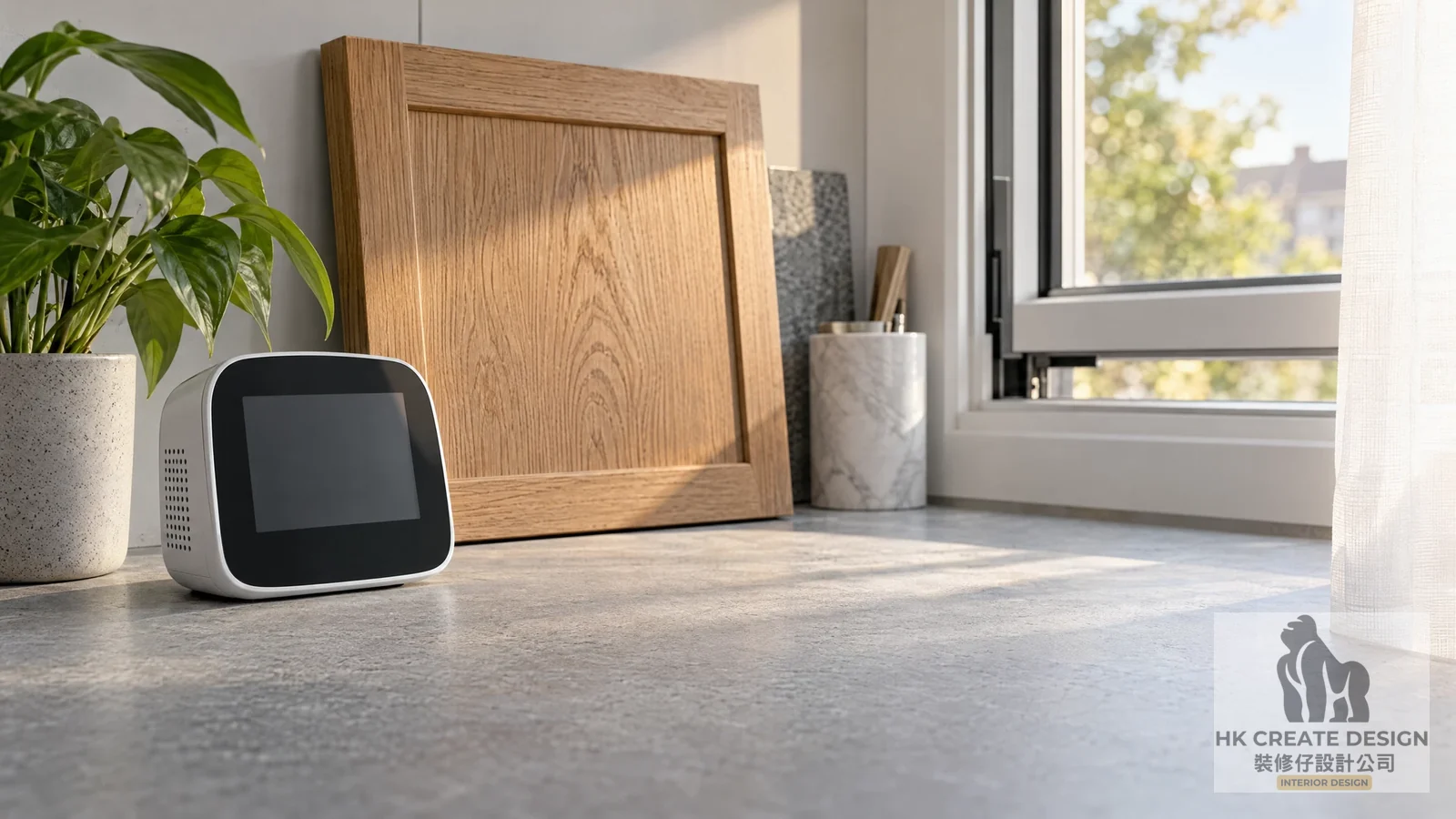
The Hong Kong government's suggestions for the completion of renovations are very practical: ensure that the indoor air is fresh and circulated before moving in; new furniture containing formaldehyde adhesives should be aired for a few days before moving into the room; and good ventilation should be maintained for several months after moving in.[1] This does not mean asking homeowners to blindly open windows, but to allow fresh air and the exhaust system to work together under conditions that are safe and feasible and do not affect the building's layout and weather conditions. Units that cannot safely open windows should truthfully inform the testing or treatment service provider.
Levels of formaldehyde and other pollutants are affected by ventilation, temperature and humidity. The Indoor Air Quality Information Center points out that rising temperatures and humidity can increase levels of certain pollutants such as formaldehyde; good ventilation, a clean and dry environment are all basic measures to improve indoor air.[3] If you find persistent water seepage, dampness or visible mold, deal with the water source and building problems first. Don't just rely on fragrance, moisture-absorbing boxes or sprays to cover it up.
Air fresheners can be a supplement but should not replace source control and ventilation. The Consumer Council points out that although some household machines can handle a certain range of formaldehyde, their speed may not be sufficient to handle the formaldehyde produced by the entire unit. Government information also states that purifiers by themselves cannot completely remove indoor air pollutants.[2] [3] Before purchasing or renting, ask about the applicable space, filter materials/consumables, replacement requirements and actual placement, rather than just looking at the promotional words.
- Are windows, exhaust and fresh air safe and practical?
- Will new cabinets, flooring, mattresses and soft furnishings still arrive?
- If there is any source of water seepage, moisture or mold, it should be dealt with first
- Is the purifier only an auxiliary and not a guarantee of occupancy?
Example one: estimating the paintable surface area in a flat with a saleable area of 500 sq ft
Assumptions
- Assume that the salable area of the unit is 500 square feet.
- For preliminary planning, use the company's published quick-calculator formula: painted surface area = saleable area × 3.
- No assumptions are made about wall heights, partitions, window openings, floor levels, furniture coverage, or any unit price for paint; this is not a completed case by the company.
How to calculate quantities
- 500 sq ft × 3 = 1,500 sq ft.
- Record 1,500 square feet as the "preliminary expansion area" that can be provided when enquiring, and then have it reviewed on site based on the actual wall, ceiling and grassroots conditions.
- The cleaning area is listed separately, and 1,500 square feet cannot be automatically regarded as the cleaning area or the "whole house all-inclusive" area.
The initial calculation of the paint expansion area is 1,500 square feet; it only helps to organize the work quantity and does not generate a formal quotation.
The 3x factor is an assumption for a quick estimate. The actual paint quantity and cost will be affected by wall/ceiling area, openings, shoveling, dust collection, moisture-proof treatment, protection, materials and site conditions, and must be measured and confirmed in writing. [5]
05
When is it worth arranging a test: Look for risk signals, not just follow the trend.
Formaldehyde testing is worth considering where extensive new boards, adhesives or furniture have been installed, ventilation is poor, a strong chemical smell persists or occupants develop eye, nose or throat irritation, headache, cough or breathing discomfort. Symptoms alone cannot establish the cause. Leave an uncomfortable environment, consider postponing occupancy and seek medical or qualified professional advice as appropriate.[2] [3]
When making inquiries, please ask "what is being measured" before "how much". The supplier should be able to describe the room and location of the sampling, the current status of window opening/air conditioning/extraction, sampling time, instrument or laboratory, reading unit, calibration or verification data, report comparison basis, and whether the review is another service. This information allows reports from different suppliers to be compared and prevents one cabinet reading from being mistaken for a whole-house conclusion.
Hong Kong’s indoor air quality certification scheme targets offices and public places, and the FAQ clearly states that its management guidelines do not apply to residential buildings.[3] Therefore, the indicators in commercial/public places cannot be directly said to be the legal "pass line" for Hong Kong residential buildings, nor can any residential test be used as a guarantee of health or occupancy. When reading the report, you should also look at the sampling conditions, sources of pollution, and the actual needs of the family.
- Test room, location, time and ventilation status at that time
- Instrument or laboratory, unit, calibration/validation and raw data
- Scope of reporting and matters that cannot be inferred
- How to deal with review, rescheduling and when the furniture is not available
You can swipe left or right on your phone to view the complete table.
| stage | What should homeowners check now? | When not to go to the next step | more appropriate action | Basis |
|---|---|---|---|---|
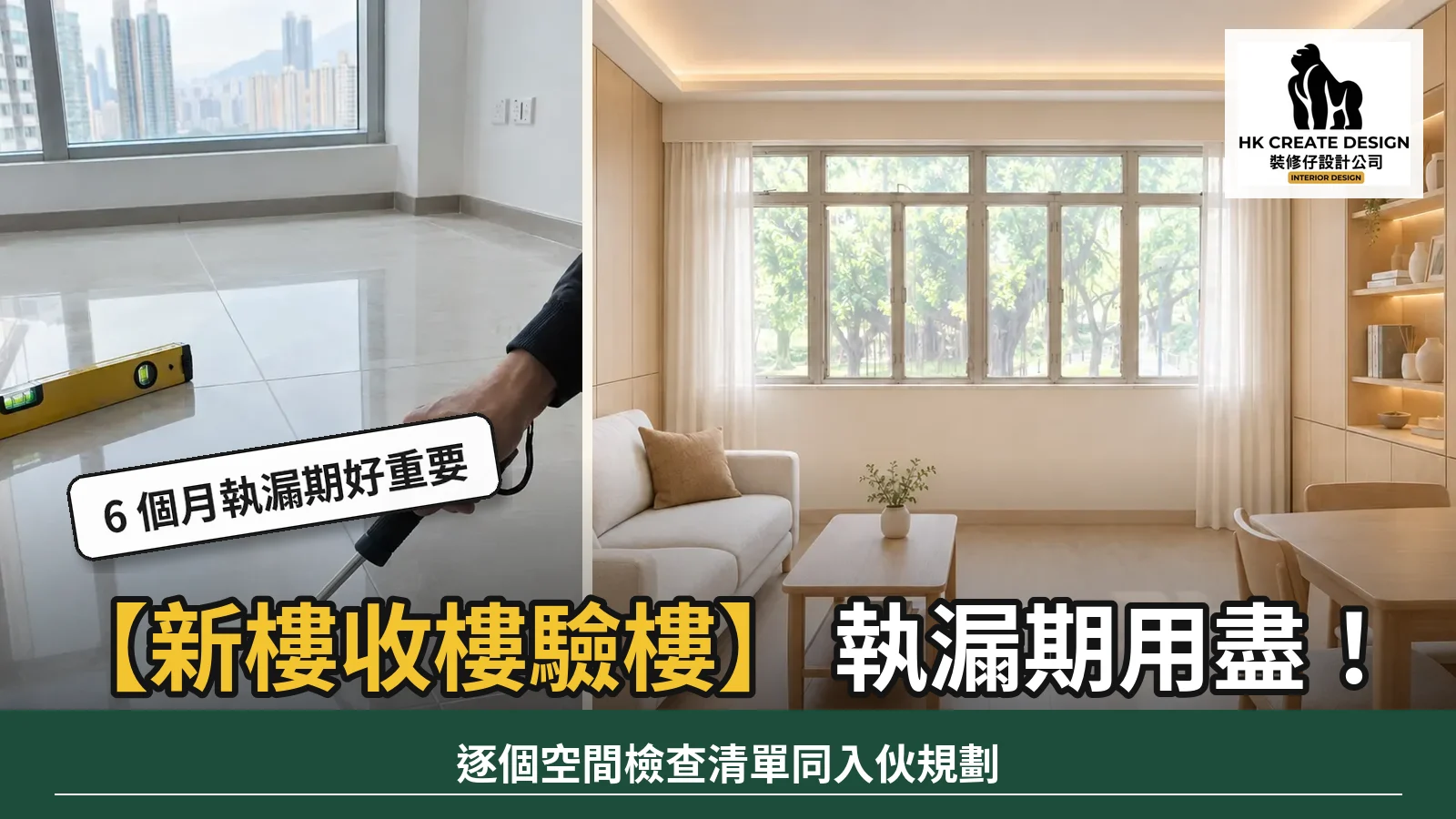
| Project final items and settlement | Confirm completion of fitted cabinets, painting, silicone joints, floors, sanitaryware, windows and appliance installation. Photograph defects and leak locations. | When there is still polishing, cutting, plastering, painting, silicone or a large amount of materials coming into the site, it is not advisable to rush to do the final fine cleaning or air inspection. | Let the contractor complete the final touches and repairs first; keep the arrival date and photos of materials and furniture. | [1] [2] |
| Remove dust and stains | Handle visible dust from high to low, check inside cabinets, window slots, air extraction positions and wall skirtings; distinguish between ordinary garbage and engineering waste. | Routine final cleaning cannot resolve piles of debris, suspect materials, active leaks or the source of mould. | Confirm removal and cleaning separately; find the source of leakage or moisture first, don’t just cover it up with fragrance or coverings. | [1] [2] [3] |
| Ventilation and source management | Whether the windows, exhaust and fresh air arrangements are safe and feasible; whether new furniture, pressed wood or adhesive materials are still arriving one after another. | When windows cannot be opened safely, ventilation is blocked, or strong chemical smell/discomfort occurs after use, a purifier should not be used as an alternative. | Maintain proper ventilation and keep low-emission materials; allow new furniture to air out first and continue to ventilate it after moving in. | [1] [2] [3] |
| Decide whether to test/treat | Check for strong odours, eye, nose or throat irritation or breathing discomfort, and note the amount of new board, furniture, adhesive and enclosed space. | You should stop judging when you conclude "it's safe to move in" based solely on smell, cheap test strips, or a brief reading. | If necessary, find a professional who can explain sampling methods, calibration data, and reporting limitations; testing and processing services can be compared separately. | [2] [3] |
| Special engineering or suspected asbestos | Whether the demolition location involves structure, drainage, electricity, aluminum windows, exterior walls or suspicious materials of old buildings; first check the plans and management requirements. | If you have not clarified the nature of the components, obtained the required professional advice, or if you suspect asbestos, you cannot dismantle it yourself or treat it as ordinary garbage. | Refer to the appropriate construction/engineering professionals; suspected asbestos shall be handed over to registered asbestos professionals and contractors in accordance with the requirements of the Environmental Protection Department. | [4] [6] |
This is the decision-making sequence of the homeowner, not a fixed construction period. The Hong Kong government recommends that the air should be fresh and circulated before completion, and new furniture should be aired for several days. The actual waiting time depends on the materials, ventilation, whether the project is truly completed, and the condition of the family. There is no unified 24 or 48-hour rule. [1][2][3][4][6]
06
Before considering formaldehyde removal services: Ask about the product, conditions and review first, don’t ask about the “guarantee rate”
If you consider surface treatment or spray, the first question is not "how many % can be removed", but "what product is used, what surface is treated, under what conditions it is effective, and what is not included". Specific product names, labels or safety information, applicable surfaces, pre-construction clearing requirements, guest and pet arrangements during construction, and post-construction ventilation and cleaning restrictions should be requested. Without access to this information, it is difficult for homeowners to determine suitability for use near wood, stone, metal, fabric, or food contact objects.
The Consumer Council explains that photocatalysts require appropriate and sufficient intensity of light. When their effects are limited, unfinished oxidation reactions may cause secondary pollution concerns; the performance of photocatalysts will also be affected by catalyst characteristics, temperature, and pollutant concentration.[2] This is not to say that any product is necessarily ineffective, but to remind homeowners not to think of a product name as having the same effect on the entire house, all materials, all lighting, and all occupancy conditions.
Furniture and paint may continue to release after any treatment is completed. If the supplier proposes review or maintenance, the triggering conditions should be written clearly: when the test will be carried out, which locations will be measured, who will pay, what results will be redone, whether the redo will be the same method, and whether the furniture will be handled differently after it arrives at the site. Do not accept statements such as "permanent validity" or "immediate safe check-in" that cannot be supported by the service scope and testing conditions.[2]
- Product name, label/safety information and applicable materials
- Are processing surfaces, cabinet interiors, furniture and new incoming materials included?
- Arrangements for guests, pets, food and tableware during construction
- Review methods, maintenance scope and exclusion conditions
07
When comparing budgets: Don’t mix market research, company tools and formal quotes
The Consumer Council's 2023 survey found that prices could vary widely within the same floor-area band. Differences may include scope, number of furniture items, treatment spray, testing, minimum charges, cleaning products, remote locations or disposal arrangements.[2] It is not the market average in 2026, nor is it a price used to require any company to charge it. An effective comparison method is to put each quotation into the same list to see whether the scope, quantity, pricing unit, uninclusive items and delivery conditions are consistent.
Our company's 2026 public calculator can be used for free online estimation and inquiry, providing 117 options and 8 types of projects; 116 items are listed with reference unit prices, and 1 rooftop package is yet to be revised.[5] This tool estimates renovation quantities. Its three quick examples cover basic whole-flat renovation, repainting and floor tiling. It does not provide average post-renovation cleaning or formaldehyde-treatment prices, and excludes full kitchens and bathrooms, replumbing and rewiring, furniture and finishes.
When using this tool, the "useful area × 3" of the paint is the initial expansion area assumption; 20% is an optional planning reservation for the homeowner, and is not an automatic additional charge by the company. The actual project still needs to be confirmed according to the measurements, process and formal written quotation.[5] On-site measurement is free through 31 December 2026 for two or more work items, with no deposit. After that, the HK$500 fee is credited against the order. Online estimates and enquiries are free. To confirm the scope or make an appointment, WhatsApp 52437747 with photos of the location, dimensions and the problem to be addressed. This gives the team more to work with than a request for an all-inclusive price.
- Don’t refer to the 2023 survey data as the current average price
- Preliminary tool calculations, on-site measurements and formal written quotations should be viewed separately.
- The 20% planning reservation is not a fixed surcharge
- Request comparable quotes using photos, dimensions, rooms, and items not included
Example two: separating strip-out and debris disposal costs from post-renovation cleaning
Assumptions
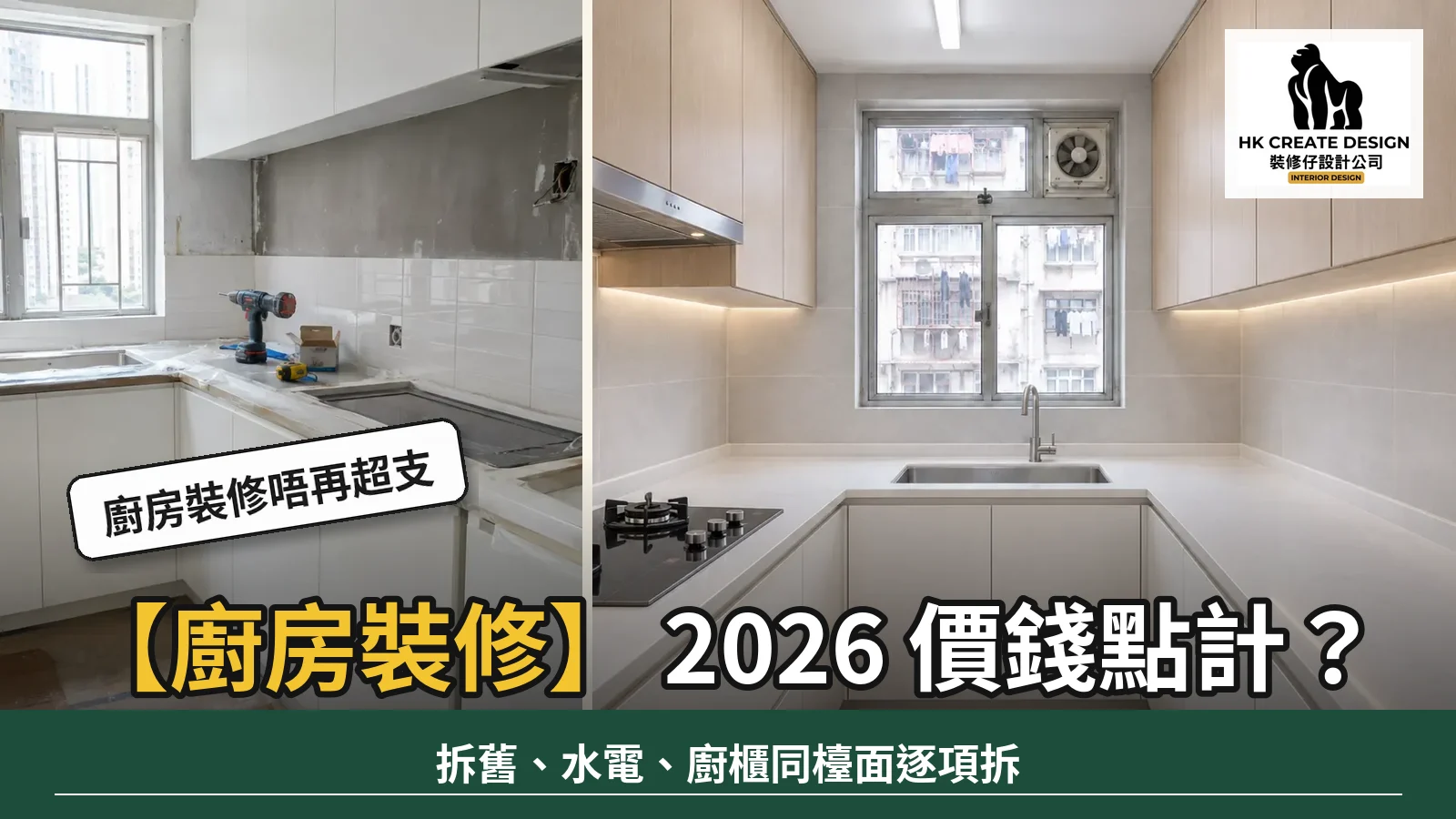
- Assume 180 sq ft of old wall and floor tiles stripped to the cement bed, 120 sq ft of timber flooring lifted and one truckload of waste.
- Rates from our detailed public price list: old tile removal HK$30 per sq ft, timber floor removal HK$22 per sq ft and rubble removal HK$4,200 per truckload.
- This is a teaching hypothesis, not a completed case; no deep chisels, thick rubber soles, stairs, management fees, fabrics, or any cleaning or formaldehyde removal service fees are included.
How to calculate quantities
- Existing tile removal: 180 × HK$30 = HK$5,400.
- Calculate the removal of wooden floors: 120 × HK$22 = HK$2,640; add 1 truck for removal and removal, which costs HK$4,200.
- The subtotal is HK$5,400 + HK$2,640 + HK$4,200 = HK$12,240. If the owner chooses a 20% planning allowance, HK$12,240 × 1.20 = HK$14,688.
The subtotal of this hypothetical project is HK$12,240; the upper budget limit including 20% planning allowance is HK$14,688. Neither of them are quotes for post-renovation cleaning or formaldehyde removal, nor is the 20% automatic surcharge by the company.
The actual number of vehicles, material bonding, handling routes, protection, concealment issues and management office regulations may change the project volume. If it involves structure, electricity, drainage, aluminum windows or asbestos, you cannot start construction according to this example, and you should first conduct professional and compliance checks. [4][6][7]
08
Some issues cannot be left to the cleaning team: structural, electrical, windows and asbestos require referral
If you still need to demolish walls, change the location of kitchen and toilets, move drainage, modify windows, or deal with exterior wall components before cleaning, don't treat it as a "handy helper." The Buildings Department pointed out that for changes involving structural walls, beams or columns, owners must appoint an authorized person and a registered structural engineer to assess, obtain approval and consent before construction can be carried out by a registered contractor. Even general home improvements or simple projects must still comply with relevant fire protection, structural and drainage standards.[4]
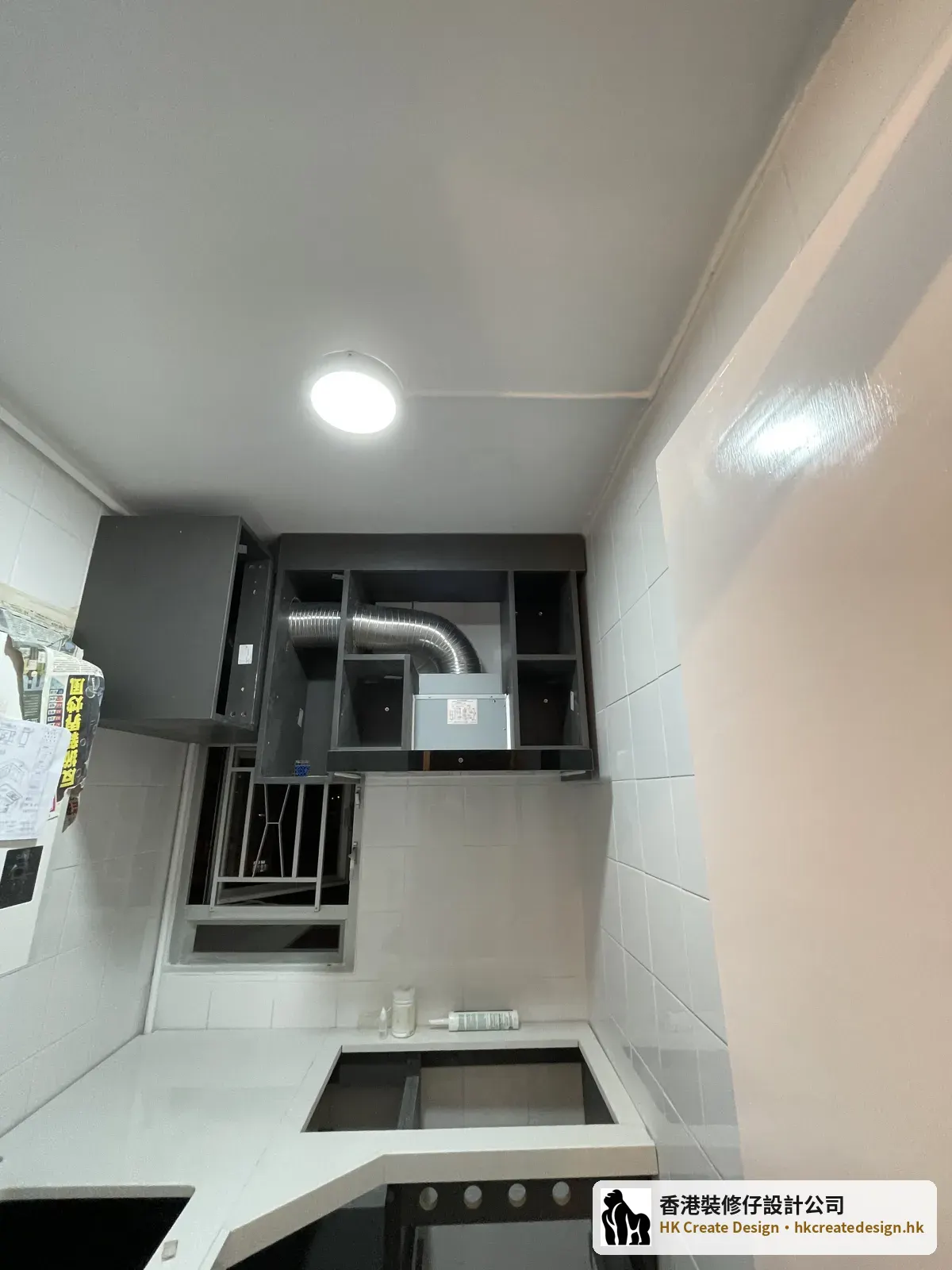
electrical work,Aluminium windows, water ingress or drainage issues should first be assessed on site by an appropriately qualified professional. This article does not provide DIY instructions for dismantling, drilling, wiring or testing. Resolve safety concerns before cleaning or moving in. In particular, do not remove loose, cracked or otherwise dangerous window components yourself, especially where outside access is involved.
Old buildings or suspicious materials require extra vigilance. The Environmental Protection Agency explains that it cannot be determined whether it contains asbestos based on appearance or color alone. It is safer to treat suspected materials as containing asbestos until a registered asbestos consultant confirms that they do not. The removal of asbestos-containing materials must be carried out by a registered asbestos contractor, and no less than 28 days' written notice is required before the start of work.[6] This work requires specialist handling beyond routine waste removal or deep cleaning.
- First check the approved plans, deed of mutual covenant and management office requirements
- Structural, drainage, electrical and window issues do not require cleaning in lieu of assessment
- If you suspect asbestos, do not dismantle, drill, polish or dispose of it with ordinary garbage.
09
Make final decisions before move-in: Use a traceable record instead of rushing by your feelings
The move-in decision should come back to a few answerable questions: Is the final item completed? Have dust and visible stains been dealt with according to the checklist? Is ventilation possible? Will new furniture still arrive? Is there a strong smell or guest discomfort? If there is testing, are the test conditions and result limitations understood? When the answer is not all "yes", it does not necessarily mean that it is dangerous, but it is enough to indicate that it is necessary to postpone, make additional cleaning, improve ventilation, or further consult professionals.
Put all formal quotations, project scope, delivery photos, original inspection data, product information and return visit commitments in the same folder. This record is more reliable than memory when it comes to tracking down later whether it was a new piece of furniture, a touch-up, a moisture leak, or an incomplete cleaning that caused the problem. The interpretation of contracts and quotations involves individual terms. This article only provides general comparative information and does not constitute a legal conclusion.
The most important thing is not to accept anyone's substitution of "sprayed," "no smell," or "a number passes" for a complete description of your move-out date. The common direction of Hong Kong's official and consumer information is: control the source, maintain ventilation, be clear about the scope of services, and obtain appropriate assessments when necessary.[1] [2] [3]
- The final items of the project, cleaning list and ventilation arrangements have been checked item by item.
- Testing and product information are traceable and are not considered a health guarantee.
- If there is any discomfort, suspicious materials or safety issues, please postpone check-in first and ask for help.
FAQ
6 practical questions answered
01Is it necessary to do a formaldehyde test after the renovation is completed?
uncertain. Testing is more suitable when there are specific questions, such as a large amount of new panels, furniture or adhesives, the room is relatively closed, there is a persistent chemical smell, or there are people in the room who are experiencing irritation and respiratory discomfort. The results will be affected by the sampling location, time, ventilation, temperature and humidity, and instrument status; one reading cannot guarantee safe occupancy, nor may it be possible to identify the emission source. Request a sampling plan, instrument/laboratory, calibration or verification information, and reporting limitations when requesting a quote.[2] [3]
02How many days will it take to move in with the windows open for ventilation?
There is no fixed number of days that applies to all units, and there is no legally uniform 24 or 48 hour rule in Hong Kong. The government recommends keeping the air fresh and ventilated before moving in. New furniture containing formaldehyde adhesives should be aired for a few days first, and good ventilation should be maintained for several months after moving in.[1] Actual arrangements will depend on whether the project is actually completed, how much new materials are still coming in, whether the unit can be safely ventilated, weather, humidity, and the needs of family members. If there is discomfort or a strong odor, do not use the number of days as a substitute for evaluation yet.
03"Whole House Formaldehyde Removal" has the lowest price, is it the most cost-effective?
Not necessarily. Compare which cabinets, furniture, walls, ceilings and newly delivered materials are treated, and whether cleaning, testing, retesting and product details are included. Ask about minimum charges and extras. A 2023 Consumer Council survey found wide variation in scope and price. Its figures do not establish today's average or a provider's correct charge.[2] Just writing "whole house" without mentioning the appearance, number of pieces and condition is usually the most difficult to compare.
04Can an air freshener, potted plant, or diffuser replace cleaning and treating the source?
cannot. Air purifiers can assist, but both Government Information and the Consumer Council have reminded that they cannot completely remove indoor pollutants, and the processing speed may not cover the entire unit.[2] [3] Potted plants or aromatherapy should not be viewed as solutions to formaldehyde; fragrance only changes feelings, but cannot measure or stop emissions. Complete source cleaning, maintain proper ventilation, and deal with moisture leaks before considering any ancillary equipment.
05Can the Hong Kong Indoor Air Quality Objectives be used to determine whether a residential building is "qualified"?
Be very careful. The Hong Kong Indoor Air Quality Certification Scheme and its management guidelines are designed for offices and public places and are not applicable to residential buildings.[3] If the report cites a certain value or standard, you should ask clearly about its source, applicable location, average time and sampling conditions. It is an overextension to directly describe the indicators of commercial or public places as the legal compliance line for residential buildings, or to use it to ensure the health of residents.
06What should you do if you find that old boards, ceilings or pipes may contain asbestos during cleaning?
Stop disposing of this material as normal cleaning or garbage disposal, and do not dismantle, drill or sand it yourself. The Environmental Protection Agency pointed out that appearance and color cannot determine asbestos; suspected materials should be considered to contain asbestos until confirmed by a registered asbestos consultant. The removal of asbestos-containing materials must employ a registered asbestos contractor and notify the Environmental Protection Department in writing no less than 28 days in advance.[6] The next step in this type of situation is to handle it professionally and compliantly rather than ordering a deep cleaning.
CHECK THE BASIS
Data and technical basis, sources can be verified
- [1]Hong Kong GovHK: Environmentally Friendly Tips for Home Renovation Accessed: 2026-10-21
- [2]Consumer Council: Charges for formaldehyde removal and cleaning services after renovations vary by as much as 5 times Accessed: 2026-10-21
- [3]Indoor Air Quality Information Center: Frequently Asked Questions Accessed: 2026-10-21
- [4]Buildings Department: Alteration and addition works to domestic premises Accessed: 2026-10-21
- [5]HK Create Design: 2026 Quick Renovation Budget Calculator Accessed: 2026-10-21
- [6]Environmental Protection Department: Asbestos Control Accessed: 2026-10-21
- [7]HK Create Design: 2026 detailed project budget and price list Accessed: 2026-10-21