01
Three layers of rules: legislation, management office, neighbors
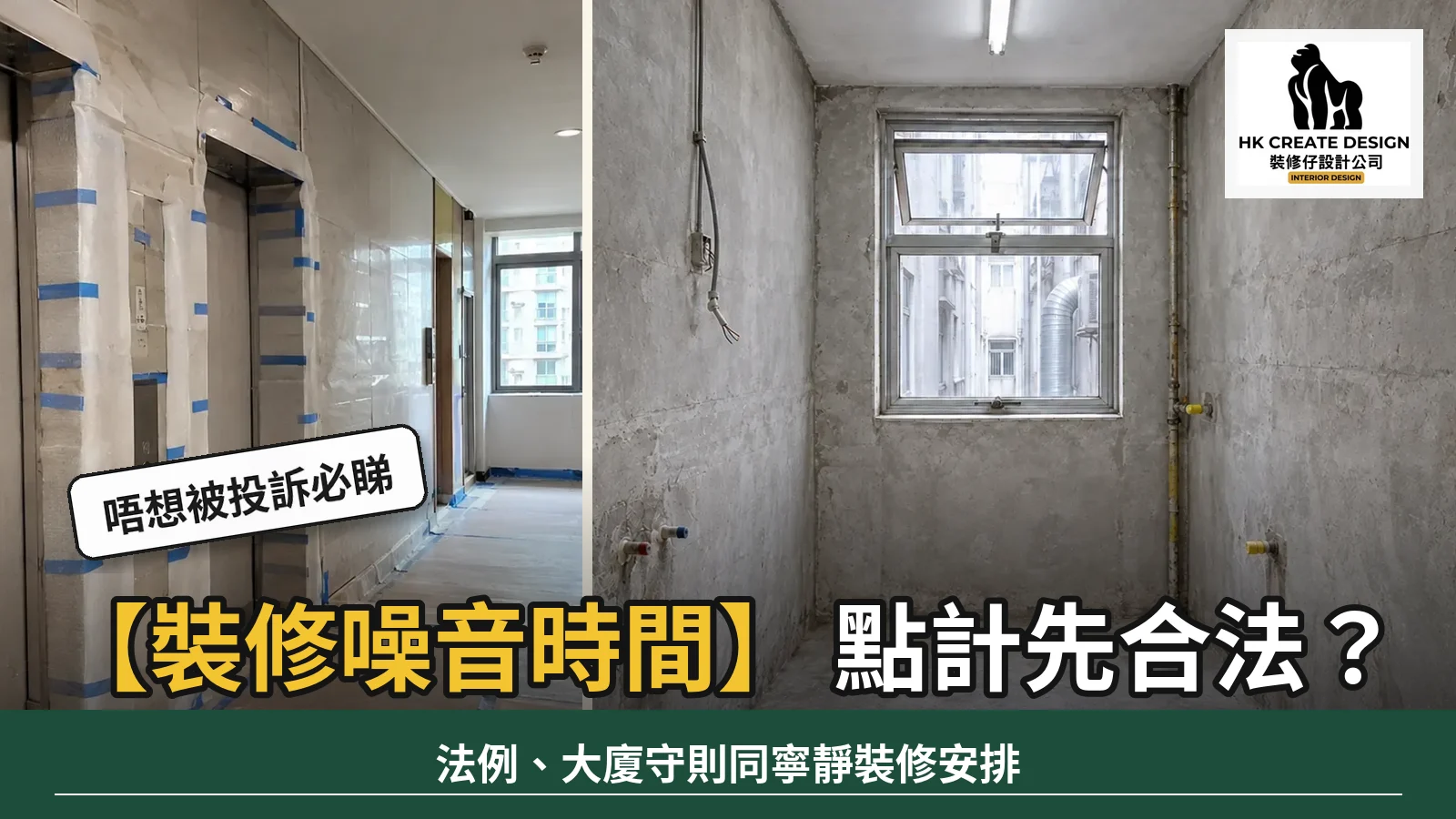
When talking about renovation noise, we must first distinguish three rules. The first level is legislation, namely the Noise Control Ordinance (Chapter 400), which is jointly enforced by the Environmental Protection Department and the police.[4] The law mainly governs "when you can't do it". For example, using motorized equipment at night and on public holidays requires a permit. The second floor is the tenants' rules set by the building management office or the corporation based on the deed of mutual covenant, which are often stricter than the law. For example, construction is only allowed from 9 a.m. to 6 p.m. on weekdays, work is suspended during lunch time, and only half-day work is allowed on Saturdays.
The third consideration is your neighbours. Days of drilling from morning to evening can disturb them even when all rules are followed, especially households withOlder residents, babies or night-shift workers. Many disputes arise because neighbours were not told in advance, even when the work is lawful.
The Environmental Protection Department also pointed out that in addition to legal controls, the management offices of residential premises have the power to control noise in other forms.[1] Therefore, before starting work, be sure to check the renovation regulations of the management office and clearly understand the allowed time, moving time, lift usage and deposit arrangements.
Before work starts, HK Create Design checks the management rules with you and plans the work and schedule accordingly. WhatsApp 5243 7747 for a free consultation or book a visit. On-site measurement is free through 31 December 2026 for two or more work items, with no deposit. After that, the HK$500 fee is credited against the order.
- Ask the management office for the latest renovation regulations
- Confirm the permitted construction time and moving time
- Understand deposits and violation handling methods
02
Statutory hours: why 7 am to 7 pm does not mean unrestricted work
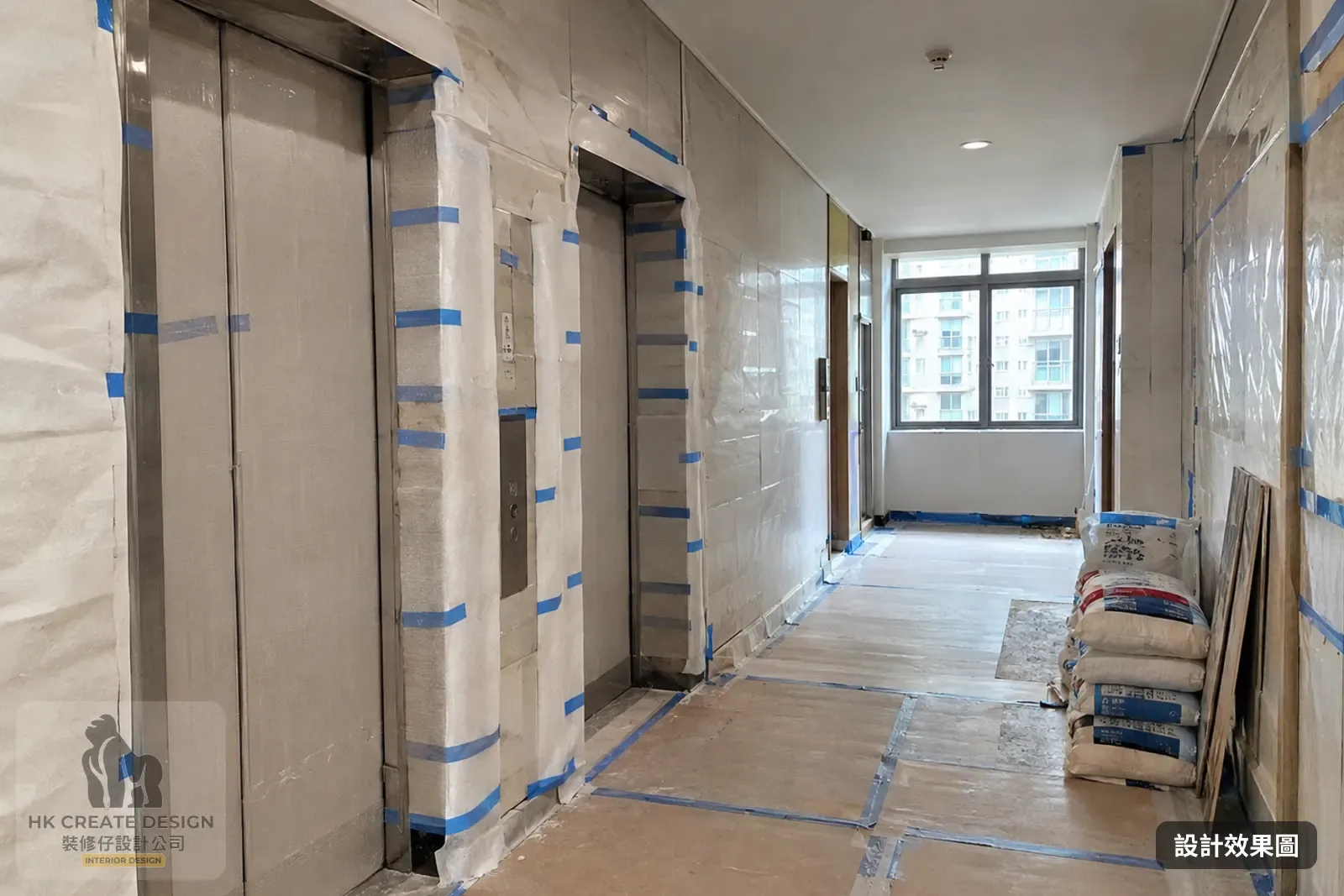
The Environmental Protection Department points out that, except for public holidays, noise generated by residential renovation works during daytime hours (7 a.m. to 7 p.m.) is not controlled by the Noise Control Ordinance.[1] Daytime work can still be restricted. In designated areas, generally densely populated built-up areas, prescribed construction work such as hammering and the use of specified powered equipment are subject to the Construction Noise Permit system.[1]
Restricted hours are between 7 pm and 7 am the next day, as well as any time on public holidays (including Sundays). Contractors are not allowed to use motorized equipment for renovations unless they have been issued a construction noise permit.[1][3] In fact, most residential renovation companies will often apply for a permit in order to rush the work, and the permit must also meet the legal noise limit before it is issued.
Landlords or tenants who use a piece of portable motorized equipment to perform minor tasks, such as hanging a picture or drilling a hole or two, are exempt from the construction noise regulations.[1] However, the general provisions of Article 4 still control noise that is disturbing to others in residential premises between 11 pm and 7 am or on public holidays. Therefore, the Environmental Protection Department clearly recommends that owners or tenants should not renovate during these hours.[1]
Simple notation: The laws are looser during the day on weekdays, but you must abide by the regulations of the management office; it is not easy to do it at night, Sundays, and public holidays.
Also note that "public holidays" include all Sundays and statutory holidays, such as Chinese New Year, Easter, Christmas, etc. When scheduling, it is best to mark all holidays on the calendar in advance, especially around long holidays. Many contractors want to rush to complete the work. Owners should be especially careful not to be asked to start work during the holidays.
- Weekdays: Follow the rules of the management office
- After 7 p.m.: Not suitable for use of motorized equipment
- Sundays and public holidays: Not easy to operate
You can swipe left or right on your phone to view the complete table.
| time period | Legislative status | The owner does the minor work by himself | Contractor uses motorized equipment | Remarks |
|---|---|---|---|---|
| Weekdays 7 a.m. to 7 p.m. | Except for public holidays, daytime noise from residential renovation is not controlled by the Noise Control Ordinance[1] | Yes, but still bound by the management office’s code of conduct | Yes, but prescribed work such as hammering and use of specified powered equipment are subject to additional controls in designated areas [1] | The management office can arrange another time[1] |
| Weekdays 7pm to 11pm | time limit | Using a piece of portable motorized equipment to perform minor work on your own is exempt from the construction noise provisions[1] | Construction noise permit required[1] | Still have to take care of your neighbors |
| 11pm to 7am the next day | Restricted hours + Article 4 Noise at night | Renovations should not be carried out[1] | Requires a permit; generally should not be performed | Complaints can be made to the police[4] |
| Sundays and public holidays | Limited time throughout the day | Renovations should not be carried out[1] | Construction noise permit required[3] | Most housing estates also prohibit |
The above are the general arrangements under the Noise Control Ordinance. The latest information from the Environmental Protection Department and the deed of mutual covenant and tenants' code of conduct of individual buildings shall prevail. [1][3][4]

03
Penalty: No joke
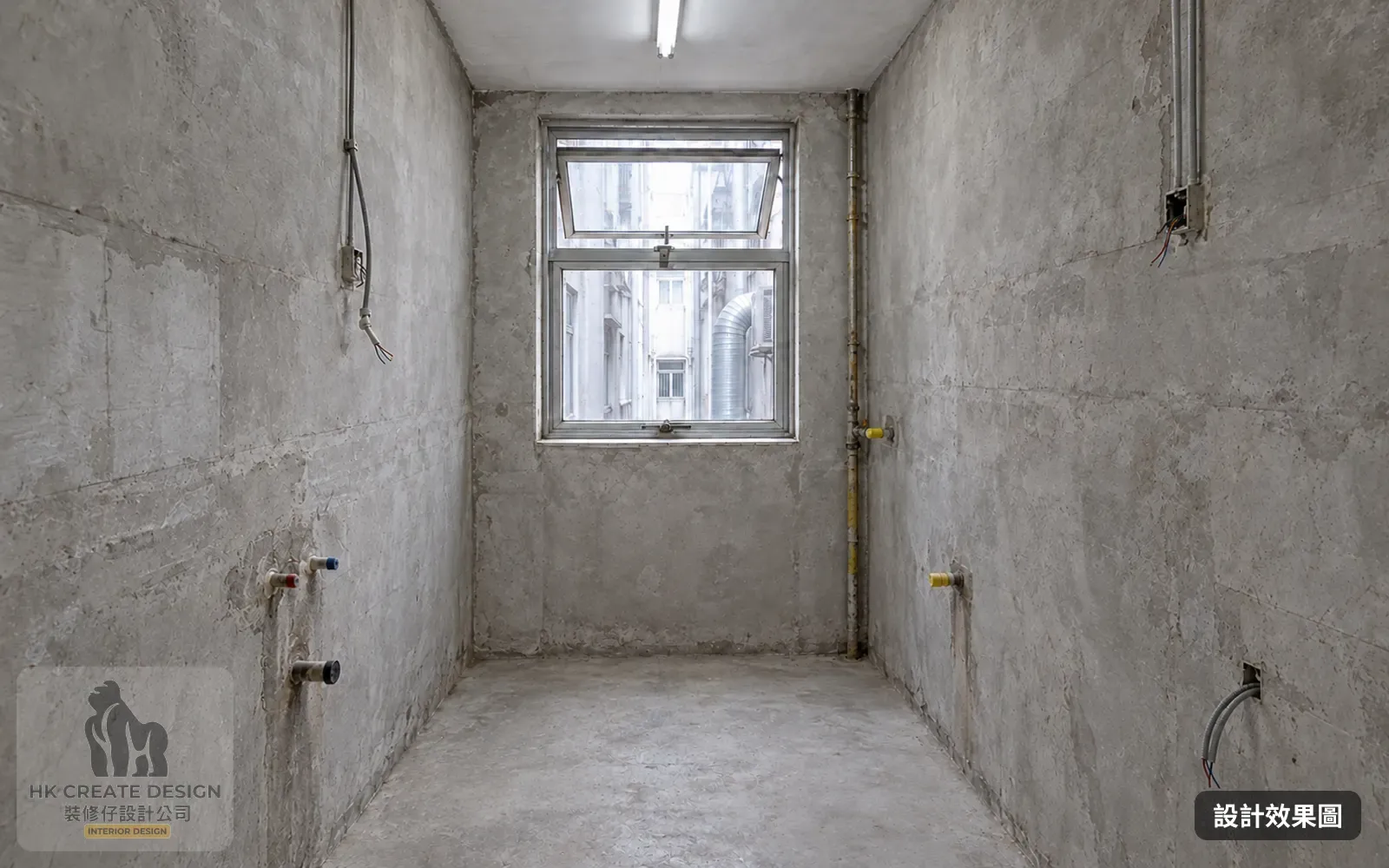
The Environmental Protection Department lists the maximum penalties under the Noise Control Ordinance: Noise from domestic premises and public places (sections 4 and 5) carries a maximum fine of $10,000; noise from construction sites (sections 6 and 7) carries a maximum fine of $100,000 for a first conviction.[2] The contractor does not have a permit to use motorized equipment during restricted hours, which may violate the latter.
In addition to legal liability, illegal construction will cause the management office to immediately stop the work, deduct deposits, and even prohibit workers from entering the building. The cost of project delay may be greater than fines. Once the relationship between neighbors is bad, it will be more difficult to negotiate water seepage or other problems in the future.
So if a master suggests "quietly burying chickens in canals on Sundays", you should refuse. When we schedule work, we always avoid Sundays and public holidays, and we will also remind workers to abide by management office hours.
If there are special processes that need to be carried out during restricted hours, for example, a commercial unit can only carry out construction at night, the contractor must apply for a construction noise permit from the Environmental Protection Department and allow time for approval.[3]
- Refuse to start work on Sunday or public holiday
- In special circumstances, the contractor shall apply for a permit
- Understand the impact of violations on deposits and construction schedules
04
Common Building Code Contents
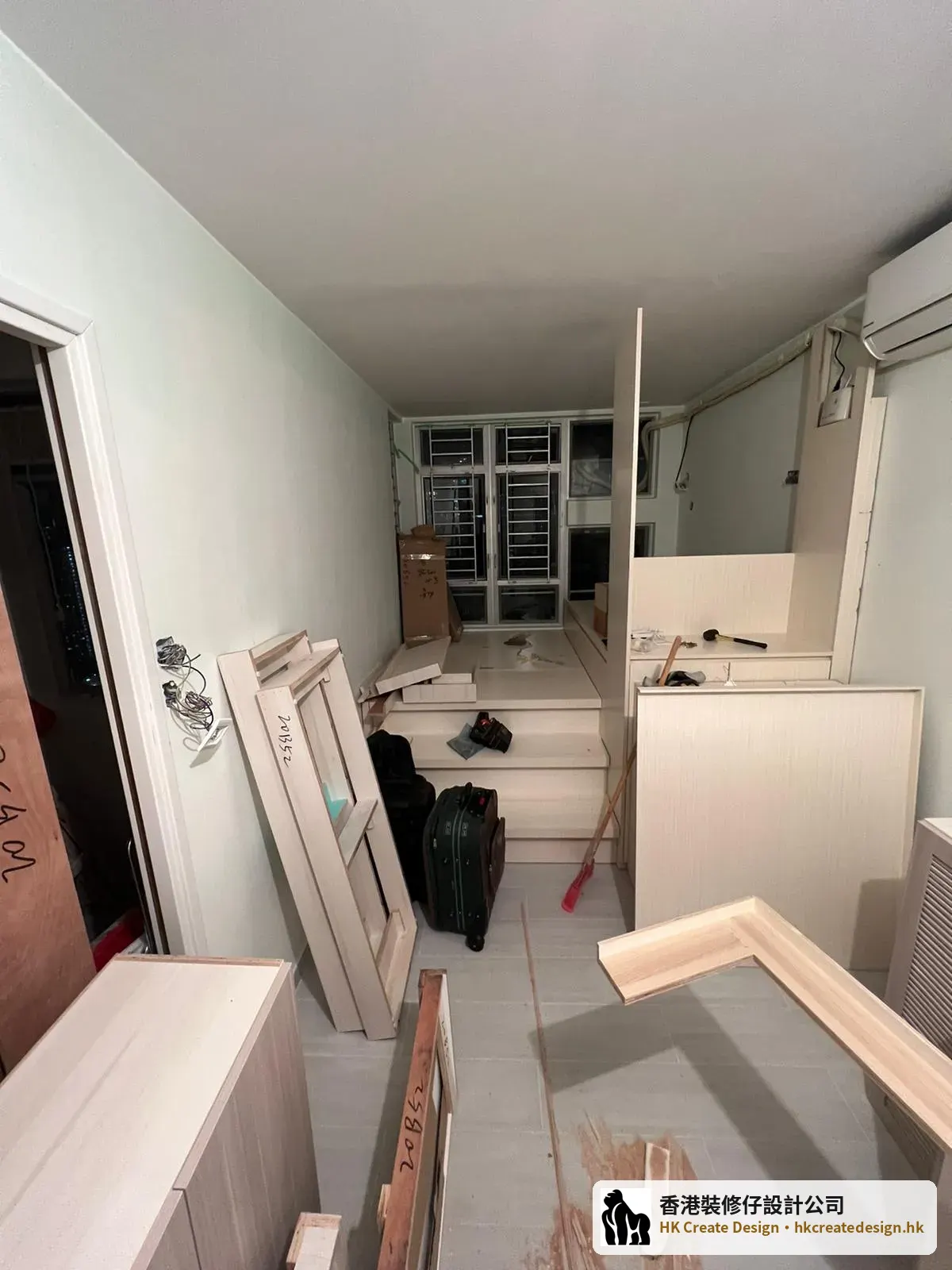
The Environmental Protection Department's quiet renovation information mentions that most property management companies, owners' corporations, etc. will formulate tenants' rules based on the deed of mutual covenant, such as limiting the duration of high-noise projects and even restricting the types of tools that may produce excessive noise.[5] Typical rules cover working and noisy-work hours, Saturday arrangements, worker registration, deliveries, lift protection, construction waste and renovation deposits.
Each housing estate has different regulations. Some are only allowed to operate from 9 a.m. to 6 p.m. on weekdays, some have noisy processes from 12 noon to 2 p.m., and some are not allowed to drill at all on Saturdays. Public housing and HOS housing also have their own renovation regulations. Therefore, it is not appropriate to use the experience of a single housing estate to extrapolate this time.
Before starting work, the code of conduct must be handed over to the contractor and written into the contract or project schedule. If the contractor violates the rules and the deposit is withheld, the responsibilities must be clearly explained in advance.
We will compare the management office's rules with the process schedule, and specifically mark high-noise days so that both you and the management office are clear.
- Submit the code to the contractor and write it into the contract
- Mark days with high noise processes
- Explain the responsibilities for illegally deducting deposits
05
There are limits to high-noise processes
The most noisy processes during renovation are usually: removing floor tiles, digging floors, removing walls, opening wire ducts and water pipe troughs, and diamond wall holes. The Environmental Protection Agency pointed out that the main source of high annoyance is impact tools, such as electric breakers, where the noise can be transmitted through the concrete structure to many other units in the same building.[3] So you think you can only hear it from across the fence, but in fact you can hear it from upstairs to downstairs.
GovHK also mentioned that portable impact crushers weighing more than 10 kilograms must meet statutory noise standards and be labeled with noise labels before they can be used in construction projects.[3] The owner can ask the contractor what tools are used and whether they have noise labels.
Painting, skimming, joinery installation and floor laying without hacking are generally quieter and can be scheduled on other days.
The company's published rates are HK$30 per sq ft for A01, removing wall or floor tiles, and HK$52 per sq ft for A02, removing floor tiles and screed down to the concrete. (see published rates) Deeper breaking out takes longer and creates more noise. Assess whether exposing the concrete is actually necessary.
In an older flat, debonded finishes or exposed reinforcement can increase noise, vibration and unexpected work during strip-out. Survey suspect areas first to estimate the extent of breaking out and the likely number of noisy days.
- List the noisy processes and their estimated number of days
- Ask the contractor what tools he uses
- Evaluate whether drilling depth is necessary
Example one: how many days to allow for floor tile removal
Assumptions
- Assume 400 sq ft of floor tiles are removed down to the cement bed under A01.
- It is assumed that building codes only allow noisy processes to be carried out during designated hours on weekdays (each building is different, this is an assumption).
- Assume about 150 sq ft per worker per day for this programme example. Actual output may differ.
How to calculate quantities
- A01 Remove floor tiles: 400 × HK$30 = HK$12,000.
- Number of days: 400 ÷ 150 = 2.67, rounded up to 3 working days.
- If it falls on a Sunday or public holiday, which is a restricted time according to the law, [1] it will be postponed to the next working day.
This assumes that the initial reference price for the brick demolition part is HK$12,000. The schedule is set aside for 3 working days to avoid Sundays and public holidays.
The old bricks may need to be chipped until concrete is visible. The price will be HK$10/sq.ft. or A02 HK$52/sq. [hkcd-pricelist] (see published rates)[1]
06
Quiet Renovation: Same Tools and Methods
The Environmental Protection Agency promotes safe renovation, pointing out that there are actually safe alternatives to common renovation processes, and many are more efficient, such as handheld core drilling machines, battery-powered direct fastening machines, multi-blade groovers, and handheld cutting machines.[5] The Environmental Protection Department also has safety renovation equipment guidelines and management guidelines for industry reference.[5]
Safety methods are not just about tools, but also include process design. For example, if the height of the floor does not need to be changed or waterproofed, you can consider directly laying SPC flooring without removing the old bricks, which greatly reduces the need for digging. When repainting the walls, you can also first assess whether there is any stone or concrete that needs to be shoveled.
Of course, drilling can not be avoided in all situations. If the bathroom is waterproofed, the pipe position is changed, or the wall is demolished, there will definitely be noise. The key point is to focus on processing and control the time, so as not to procrastinate.
We will recommend less noisy solutions based on your needs, but we will not sacrifice necessary processes, such as bathroom waterproofing, for quietness.
Choosing the quiet method also has other benefits: there is less dust, less vibration to the floor and neighboring units, and workers are not as susceptible to noise affecting their hearing. In the long run, the more people in the industry use safety tools, the better the overall renovation environment will be.
- Ask the contractor if he has any safety tools
- Assess whether gouging can be reduced
- Centralized processing of necessary processes
07
Schedule: Number of days to reduce noise
The most effective way to reduce complaints is to concentrate high-noise processes within a few days, rather than drilling a few drills every day. For example, during the demolition phase, we concentrated on drying and removing bricks, cabinets, and grooves, and then transferred to low-noise processes.
When scheduling, avoid Sundays and public holidays.[1] It is also necessary to consider whether other units in the building will be renovated at the same time. If several units on the same floor start work at the same time, you can coordinate with the management office to stagger high-noise periods.
Debris removal and materials handling also generate noise and must follow building management hours. Published item A11 prices debris removal at HK$4,200 per truckload. (see published rates)
A clear construction schedule can be posted on the building notice board to let the neighbors know the noisiest days nearby and make it easier for them to accept it psychologically.
- Centralized processing of high-noise processes
- Avoid Sundays, public holidays and neighboring projects during the same period
- Post a schedule
You can swipe left or right on your phone to view the complete table.
| Application stage | Noise source | Tranquil alternative direction | Scheduling suggestions | Company price list reference |
|---|---|---|---|---|
| Removal of floor tiles/platform digging | Electric crusher, chisel gun | Assess whether removal can stop at the cement bed | Concentrate at the management office’s permitted hours | A01 HK$30/square foot; A02 HK$52/square foot[hkcd-pricelist] |
| Open electrical ducts and water pipe ducts | Cutting machine, chisel gun | Safe tools such as multi-blade groovers[5] | Completed on the same day | Quote on site |
| tear down walls | Crusher | Confirm non-structural walls first before demolishing them | Notify neighbors in advance | A04 HK$69/square foot (minimum HK$2,800) [hkcd-pricelist] |
| Drilling holes to install cabinets and lights | electric drill | Handheld core drilling machine, battery-operated direct fastening machine[5] | Can be arranged at a time when there is less noise impact | by project |
| Construction debris removal | Transportation, lifts | Book lift and transfer time | Arrange with the management office | A11 HK$4,200/car[hkcd-pricelist] |
For the types of safety tools, please refer to the Environmental Protection Department’s safety renovation information; [5] The company’s price list is only a preliminary reference for the public price list of HK Create Design 2026. [5] (see published rates)
08
Communicating with Neighbors: The Power of a Notification Letter
Sending a simple notification letter to neighbors on the same floor and above and below before the start of construction, stating the renovation date, high noise days, construction time and contact number, is often more effective than apologizing afterwards. Some owners will include small gifts to express their apology.
If your neighbor has special needs, such as a sick person or baby, you can avoid nap time by setting aside high-noise periods. Such flexibility is generally available within the Code.
If a complaint arises, establish whether a rule was breached and address it promptly. The owner or project manager should communicate with neighbours directly.
The Environmental Protection Department also recommends that those affected by the nuisance first notify the building management office, and they will negotiate with the parties involved in accordance with the deed of mutual covenant. If the problem is not resolved, it can be forwarded to the local police station.[4] Therefore, proactive communication can prevent things from escalating.
- Send notification letter before start of construction
- Understand your neighbors’ special needs
- Complaints are handled by the owner or person in charge
09
If you are an affected neighbor
If you are affected by noise from fence renovation, the Environmental Protection Department recommends notifying the building management office or management company first. They can negotiate with the parties involved in accordance with the deed of mutual covenant to resolve the problem directly.[4] If there is renovation noise after 7 pm, on Sundays or public holidays, and the other party does not have a construction noise permit, you can contact the local police station, and the police can take immediate enforcement action.[4]
The police also have an electronic reporting room for noise complaints.[4] When making a complaint, try to provide the time, location and type of noise.
Noise during legal hours during the day may not be legally enforceable, but the management office's code may stipulate that the management office can be asked to follow up.
Understanding this process will be helpful when you renovate yourself: if you know that your neighbors can make complaints, you will pay more attention to complying with the rules.
- Notify the management office first
- Alarms can be made within limited time
- Record time, place and noise type
10
Shop and office: What are the differences in time arrangements?
Shopping malls and commercial buildings usually have their own construction hours, and many only allow noisy work to be carried out at night or during non-business hours. Nighttime construction involves restricted hours under the Noise Control Ordinance. If motorized equipment is used, the contractor must apply for a construction noise permit.[3]
Permit applications must be submitted to the Environmental Protection Agency for evaluation prior to construction.[3] It is necessary to reserve time, it is not best to wait until the night before starting work to think about it.
We have another article on shopping mall and shop renovation that talks about construction time and delivery arrangements. Commercial units can refer to it as well.
Regardless of whether it is residential or commercial, the principles are the same: read the rules first, then arrange the procedures, and finally communicate.
- Confirm shopping mall construction time
- A license is required to use motorized equipment at night
- Allow time for application
Example two: the cost of working outside permitted hours
Assumptions
- Compare the maximum fines under the law and the costs of compliance arrangements.
- Suppose the contractor uses mechanical equipment to remove bricks on Sunday in order to rush the work and does not have a construction noise permit.
How to calculate quantities
- Noise from construction sites (Articles 6 and 7) Maximum fine for first conviction: HK$100,000. [2]
- Noise from domestic premises (Articles 4 and 5) Maximum fine: HK$10,000. [2]
- Comparison: If the project is completed one day later, the main cost is due to the one-day delay in the construction period.
Starting construction in violation of regulations may result in a fine of up to HK$100,000, which may result in complaints from neighbors and a suspension of work by the management office; compliance schedules usually only result in an extension of the construction period.
The fine is the maximum penalty under the law, and the actual penalty is determined by the court; this example is only for risk comparison and does not constitute legal advice. [2]

11
Demonstration of noise schedule for renovation of a two-bedroom flat
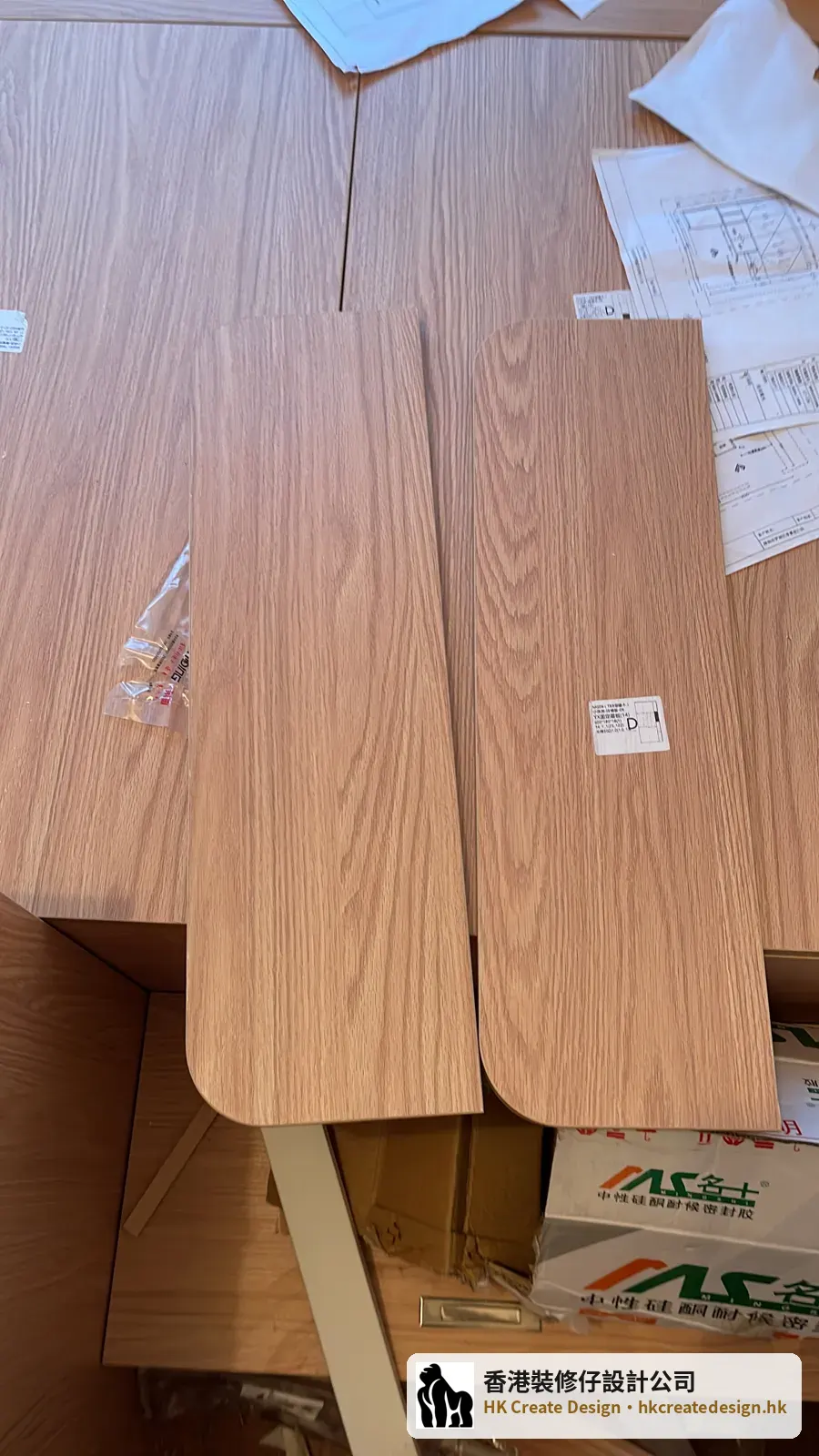
Take a two-bedroom flat of around 400 sq ft with a kitchen and bathroom renovation, whole-flat repainting andBespoke wardrobeas an example. The noisiest stage is strip-out in weeks one and two, when kitchens, bathrooms, cabinets and floor tiles are removed and service chases are cut. Set out these dates in the notice to neighbours and complete the work within management-approved hours to avoid intermittent breaking out in weeks three and four.
Weeks three to five usually cover services, waterproofing and masonry. Waterproofing and laying tiles are relatively quiet, but saws are noisy. Batch the cuts into agreed periods. From about week six, painting, joinery fitting and cleaning are generally quieter, apart from brief drilling during installation.
This timetable is just a demonstration and does not mean that the construction period of each unit will be the same. The actual timetable will be adjusted according to the scope of the project, building codes and material arrival time. The key point is to give neighbors an idea of what days the neighborhood will be noisiest and when it will become quieter. Many neighbors don't mind the noise, but they care that they don't know how long they have to endure.
Our whole-house renovation will provide a process schedule and remind you to notify your neighbors before demolition. If you want to know how long your unit will last, you can send us the floor plan and photos via WhatsApp for a free preliminary assessment.
- Concentrate the disassembly period on the first one to two weeks
- Brick cutting and other processes are processed during concentrated periods
- Notice letters indicate the noisiest days
12
How to write it clearly in the quotation and contract
The renovation quotation and contract should state that the contractor will comply with the Noise Control Ordinance and the Management Office's Code of Conduct; the estimated number of days for high-noise work; and that the contractor will be responsible for any fines, deposit deductions, or delays caused by the contractor's violation of regulations.
If the owner requires construction to occur outside of code hours, it must be clear that the owner is responsible. The construction period specified in the contract should also include non-starting work on Sundays and public holidays to prevent contractors from violating regulations on the grounds of rushing work.
Use the AI estimator or 117-item calculator for a preliminary strip-out and disposal allowance. The final price comes from the written site quotation.
We will remove garbage, sweep clean, and do basic cleaning after every project is completed. We will also keep common areas clean during the project to reduce the impact on neighbors.
- The contract states compliance with laws and codes
- State the responsibility for violation
- Construction duration calculation excludes Sundays and public holidays
FAQ
7 practical questions answered
01When can renovations start in Hong Kong?
Legally speaking, except for public holidays, the noise caused by residential renovation from 7 am to 7 pm on weekdays is not controlled by the Noise Control Ordinance.[1] However, most building codes have stricter times, and the regulations of the management office shall prevail.
02Can I renovate on Sunday?
Sunday is a public holiday, and contractors using mechanical equipment for renovation must obtain a construction noise permit;[3] The Environmental Protection Department also advises owners or tenants not to renovate during public holidays.[1]
03Is it illegal to hang a painting through a hole at night?
Owners or tenants who use a piece of portable motorized equipment to perform minor work are exempt from the construction noise provisions;[1] However, noise that annoys others between 11 pm and 7 am is controlled by Section 4, with a maximum fine of HK$10,000.[2]
04How much will the contractor be fined for illegal renovation?
Construction site noise (sections 6 and 7) carries a maximum fine of HK$100,000 for a first conviction.[2]
05Can I make a complaint about the renovation at night?
Notify the management office first. If the problem cannot be solved, you can contact the district police station or use the police noise complaint electronic reporting room.[4]
06Is there any way to make the renovation quieter?
You can use safe tools such as handheld core drills and multi-blade slotters,[5] Centralized scheduling for simultaneous burial reduces unnecessary drilling. We can suggest solutions based on your needs. Welcome to WhatsApp 5243 7747 for free consultation.
07The regulations of the management office are stricter than the laws. Should I follow them?
Follow both. The law is the minimum requirement, and the regulations set by the management office in accordance with the deed of mutual covenant can be stricter. The Environmental Protection Department also stated that the management office has the right to control noise in residential premises in other ways.[1]
CHECK THE BASIS
Data and technical basis, sources can be verified
- [1]Environmental Protection Department: Frequently Asked Questions (Noise from renovation works on domestic premises) Accessed: 2026-11-01
- [2]Environmental Protection Department: EPD FAQ: Penalties under the Noise Control Ordinance Accessed: 2026-11-01
- [3]Hong Kong Government One Stop: GovHK: Construction and Renovation Noise Accessed: 2026-11-01
- [4]Environmental Protection Department: Nuisance? (Leaflet on Handling Noise Nuisance) Accessed: 2026-11-01
- [5]Environmental Protection Department: Quiet Renovation Accessed: 2026-11-01
- PricesHK Create Design 2026 detailed project budget and public price list Accessed: 2026-11-01