01
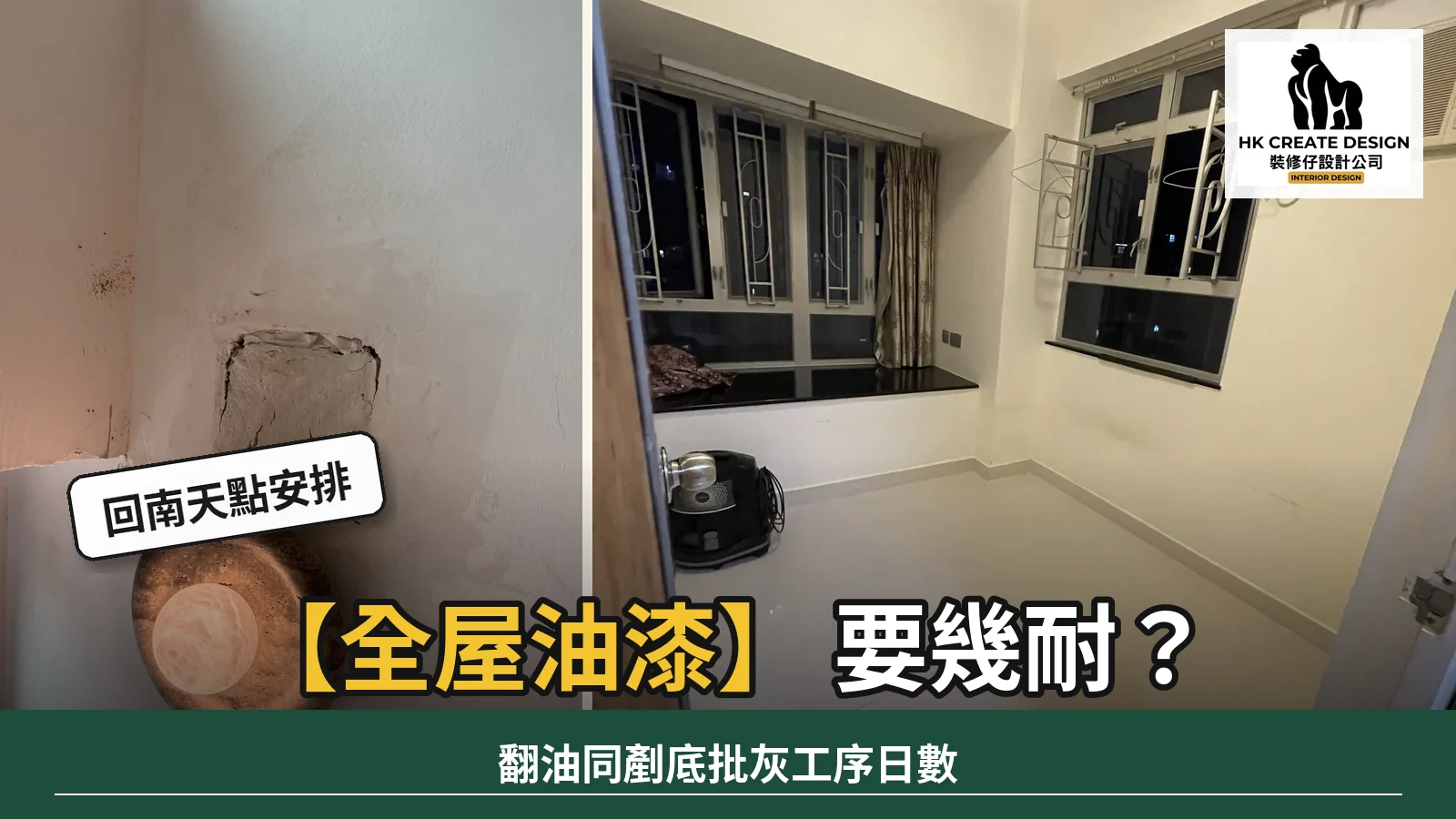
How long does it take to paint a whole flat?
Waiting for materials to dry takes up most of a whole-flat painting schedule. At 25°C, Nippon Paint's technical data for 2nd Generation Super 5-in-1 gives 1 hour to touch dry, 2 hours to hard dry, 2–3 hours before recoating and 7 days for full cure[7]. If the walls are sound and only need repainting, two to three hours between the topcoats is generally enough.
Walls that need stripping and skim coating take much longer. Nippon Paint recommends 2–3 coats of Odour-less Wall Putty and at least 12–24 hours between coats[9]. Three coats of wall putty alone need 36–72 hours of drying. For a cement-based skim coat such as Optimix SC273, let each coat harden for at least one day before the next. After hardening, the manufacturer recommends a further 3–7 days before painting[12].
Before giving a completion date, HK Create Design inspects each wall to decide whether it needs direct repainting, local repairs or stripping and refinishing. We then give a written estimate of the time based on area, humidity and how the painting fits with the other trades.
- Drying time largely determines the schedule
- Direct repainting is quickest
- Allow extra days for stripping and skim coating
02
A painting schedule includes working time and drying time
Working time covers protection, stripping, cleaning, filling cracks, skim coating, sanding, priming, painting, edge touch-ups and final cleaning. Larger areas, higher ceilings, more rooms and more furniture can all add working time.
Drying time is the time each material needs to dry and harden, regardless of how quickly the painter works. The manufacturer's data notes that high humidity and low temperatures extend drying times[7]. Coating a surface before it has dried through can cause wrinkling, marks or blisters, followed by peeling later.
When comparing schedules, ask whether the quoted days include drying time. If a contractor says stripping and skim coating can be finished in two days, ask how much drying time they allow for each coat.
- Area and furniture affect working time
- Materials and weather affect drying time
- Ask how a short schedule allows time for drying
You can swipe left or right on your phone to view the complete table.
| Application stage | Example product | Manufacturer's specified waiting time | Remarks |
|---|---|---|---|
| Wall sealer | Nippon Paint Vinilex 5101 | At least 2 hours before recoating at 25°C | One of the primers specified for Nippon Paint 2nd Generation Super 5-in-1 [7][11] |
| Water-based wall putty | Nippon Paint Odour-less Wall Putty | At least 12–24 hours per coat | 2–3 coats recommended [9] |
| Cement-based skim coat | Optimix SC273 | At least one day between coats and 3–7 days before painting | 1–3 mm per coat [12] |
| primer | Nippon Paint Odour-less Primer (Interior) | Allow at least 2 hours before recoating | 1 coat recommended [10] |
| topcoat | Nippon Paint 2nd Generation 5-in-1 | Recoat after 2–3 hours. Full cure takes 7 days. | 2 coats recommended [7] |
| topcoat | Dulux Odourless Anti-mould 5-in-1 | Recoat after 2–3 hours | 2 coats recommended [14] |
| topcoat | Dulux Pentalite Upgrade | Touch dry: 0.5–1 hour. Recoat after 2–3 hours. | 2 coats recommended [13] |
Most manufacturer figures are for 25°C. High humidity and low temperatures slow drying, so allow longer where site conditions require [7]. Other brands in the table illustrate timing differences. Our standard residential interior topcoat is Nippon Paint 5-in-1. [11][9][12][10][7][14][13]
03
Waiting times for each stage, using manufacturer data
Nippon Paint Odour-less Wall Putty uses about 1–1.2 kg per m² per coat. The manufacturer recommends 2–3 thin coats, allowing at least 12–24 hours per coat at 25°C[9]. For Nippon Paint 2nd Generation Super 5-in-1, Vinilex 5101 Wall Sealer can be selected to suit the substrate. At 25°C allow at least 2 hours before recoating the primer[7][11].
Optimix SC273 cement-based skim coat is applied at 1–3 mm per coat. Allow at least one day before adding another coat. Fine sandpaper can remove trowel marks. Wait 3–7 days before painting[12]. Primer: Nippon Paint recommends 1 coat of Odour-less Primer with a minimum recoating interval of 2 hours[10].
Topcoat: allow 2–3 hours before recoating with Nippon Paint 2nd Generation Super 5-in-1 and 7 days for full cure[7]. Dulux specifies a 2–3 hour recoating interval and recommends 2 coats for its Odourless Anti-mould 5in1[14]. Dulux Pentalite Upgrade is touch dry in 0.5 to 1 hour and can be recoated in 2 to 3 hours. Dulux notes that bright and deep colours may need additional coats[13]. Most of these figures are for 25°C. Actual drying times are usually longer during Hong Kong's humid spring weather.
- Allow 12–24 hours per coat of wall putty
- Wait 3–7 days before painting a cement-based skim coat
- Topcoat: 2–3 hours before recoating and 7 days for full cure
「Direct repainting throughout a 400 sq ft flat generally takes three to five days. Stripping and skim coating needs several extra drying days. In humid spring weather, painting a wall before it has dried can quickly cause blisters.」
04
How do the work stages and timings differ for three wall conditions?
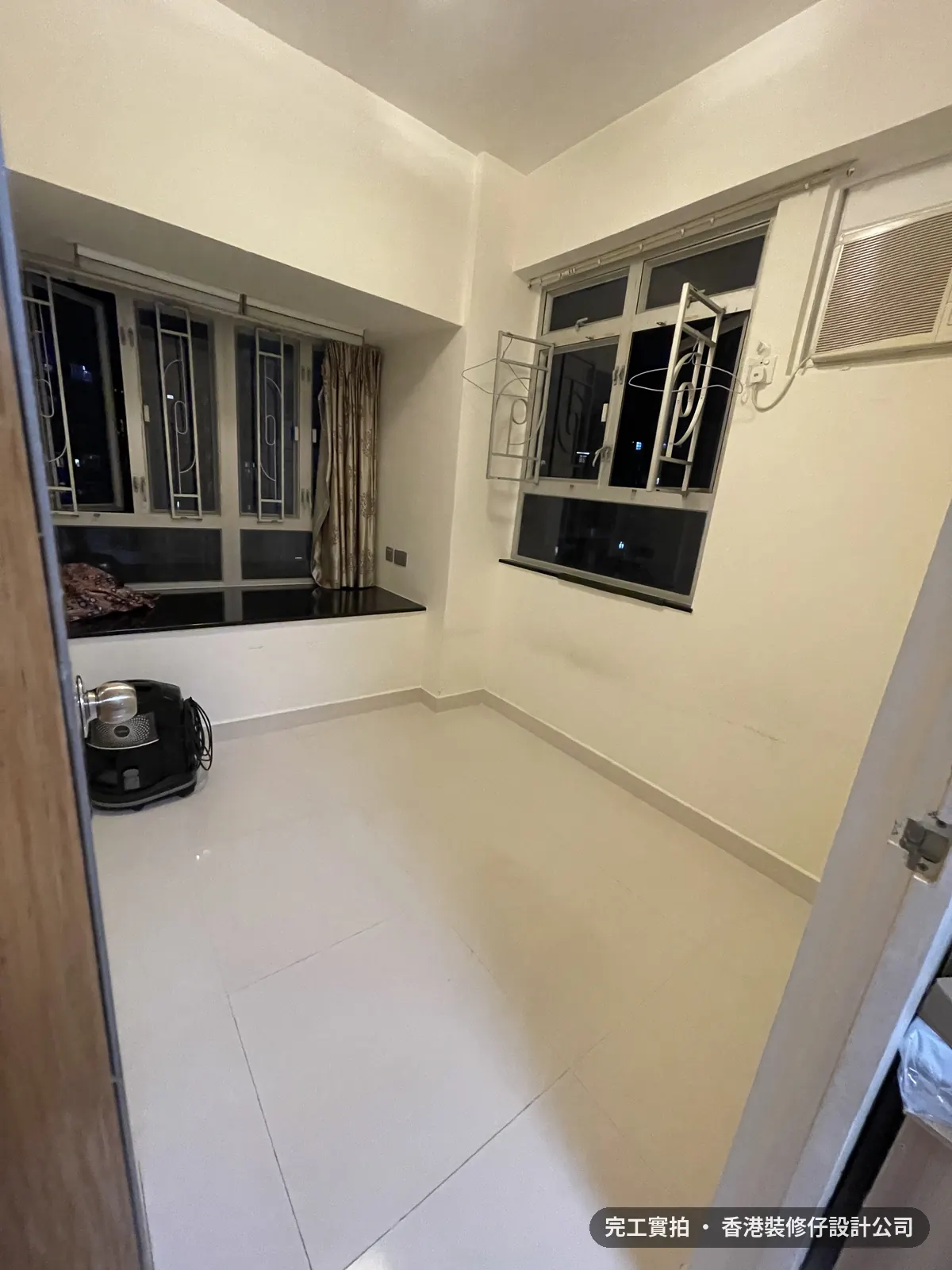
E03 direct repainting is for sound walls only. It includes cleaning, filling nail holes, light sanding and 2 topcoats. The rate is HK$12 per sq ft, with a minimum charge of HK$3,700[1]. The main waits are for filled nail holes to dry and between the two topcoats.
E02 local repairs suit mostly sound walls with isolated cracks. The work includes stripping loose areas, filling cracks and chips, applying moisture-resistant primer, sanding and 2 topcoats. The rate is HK$21 per sq ft, with a minimum charge of HK$4,650[1]. Allow the filler to dry through before sanding patched areas. This takes longer than E03.
E01 stripping and skim coating suits walls affected by peeling, mould or past seepage. The published rate covers stripping old paint back to the underlying plaster, moisture-resistant primer, 2–3 skim coats, sanding and 2–3 topcoats. The rate is HK$39 per sq ft, with a minimum charge of HK$7,450[1]. Nippon Paint 5-in-1 is our standard for residential interiors. Bamboo charcoal anti-formaldehyde paint or Little Prince children's paint is available as a room-by-room upgrade. Waiting for three coats of putty to dry accounts for most of the time.
One flat may need three treatments: direct repainting in the living room, local repairs around windows, and stripping and a new finish in the room next to the bathroom. Specify the work room by room to estimate the schedule accurately.
- E03: the main wait is between topcoats
- E02: let repaired areas dry through
- E01: drying between skim coats accounts for most of the time
05
Worked example: scheduling painting for three different wall conditions in a 600 sq ft flat
For an empty 600 sq ft flat, our quick estimate gives a paintable surface of 600 × 3 = 1,800 sq ft[1]. On inspection, the living room and two bedrooms had sound walls suitable for direct repainting. Cracks next to the main bedroom window needed local repairs, and mould behind a wardrobe in the small bedroom called for stripping and skim coating. This mix of three treatments is common in older and resale flats in Hong Kong.
Start the longest operation first. Stripping and skim coating the small bedroom involves three coats of putty, each needing at least 12–24 hours to dry[9], so on day one we strip the surface, seal it and apply the first coat of putty. Meanwhile, other rooms can be protected, cleaned and have their nail holes filled. We can patch the main bedroom window area while applying the second skim coat in the small bedroom, so both areas dry together.
Once the third coat of putty in the small bedroom has dried and been sanded, apply primer and two topcoats throughout the flat. Allow 2–3 hours between topcoats[7], so it may be possible to finish both coats in a day, depending on the humidity. Allow 7 days after the last coat for full cure before scrubbing[7].
This lets drying periods overlap, so the whole flat need not wait for the slowest room. Booking three separate jobs means protecting and cleaning the flat three times, increasing both cost and duration. HK Create Design's team finds that specifying the treatment room by room in the quote makes scheduling much clearer.
- Start the longest stage first
- Overlap drying times
- Specify the treatment for each room
Example 1: direct repainting in an empty 400 sq ft flat (E03)
Assumptions
- Saleable floor area: 400 sq ft. The walls are in good condition.
- Our quick estimate: paintable surface area = saleable floor area × 3.
- E03: HK$12 per sq ft [1].
- The topcoat is Nippon Paint 2nd Generation Super 5-in-1, with a recoating interval of 2–3 hours [7].
How to calculate quantities
- Paintable surface area: 400 × 3 = 1,200 sq ft.
- Indicative price: 1,200 × HK$12 = HK$14,400.
- Main drying stages: let the nail-hole filler dry, apply the first topcoat, wait 2–3 hours, then apply the second.
- Full cure: avoid washing or knocking the surface for 7 days after the second coat.
Indicative price: HK$14,400. With only 2–3 hours to wait between topcoats, direct repainting is the quickest of the three cases.
These figures exclude time spent protecting surfaces, cleaning, filling nail holes and painting. Allow longer drying times in high humidity. [1][7]
06
Does paint choice affect the schedule?
Mainstream water-based emulsion paints have similar recoating times. Nippon Paint 2nd Generation Super 5-in-1 and Dulux Odourless Anti-mould 5in1 both specify 2–3 hours[7][14]. Confirm the schedule against the specific Nippon Paint product, colour and number of coats.
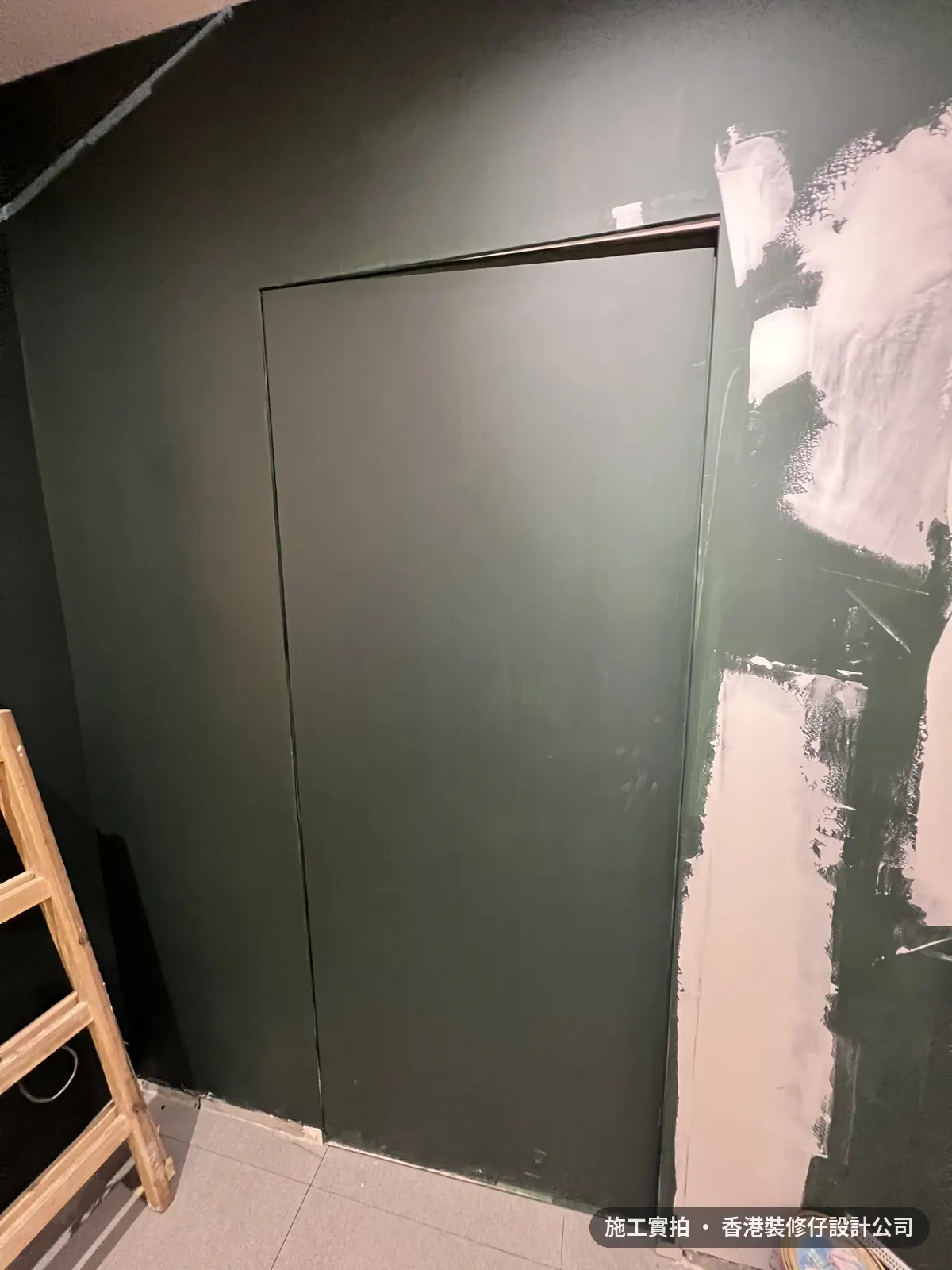
Changing from a dark colour to a light one takes an extra topcoat. Our price list adds HK$4 per sq ft for this coat[1]. Dulux also notes that bright or deep colours may need additional coats[13]. Each extra coat adds another recoating interval.
Moisture- and mould-resistant paints have specific application conditions. Nippon Paint Odour-less 5-in-1 (Moisture-Proof) advises against painting in rain or at humidity levels above 85%[8]. Mould-resistant paint still needs a dry wall. The wall must meet the product's moisture limit[7].
- Common emulsion paints have similar recoating times
- Add a coat when changing from dark to light
- Mould-resistant paint also needs a dry wall
You can swipe left or right on your phone to view the complete table.
| Treatment levels on our price list | Main work stages | Main drying stages | Company rate |
|---|---|---|---|
| E03 Turn oil directly | Clean, patch holes, lightly sand, and top coat 2 times | Let filled nail holes dry fully. Allow 2–3 hours between the two topcoats. | HK$12 per sq ft, minimum charge HK$3,700 |
| E02 Local repairs | Strip loose paint locally, fill cracks and chips, apply moisture-resistant primer, sand, and apply 2 topcoats | Let patched areas dry through, then apply primer and two topcoats | HK$21 per sq ft, minimum charge HK$4,650 |
| E01 Paint stripping and skim coating | Strip back to the underlying plaster, apply moisture-resistant primer, skim coat 2–3 times, sand, and apply 2–3 topcoats | Allow 12–24 hours for each coat of wall putty, then apply primer and 2–3 topcoats | HK$39 per sq ft, minimum charge HK$7,450 |
The work stages and prices come from our published price list [1]. Drying times are based on Nippon Paint technical data [9][7]. The site assessment and written quotation confirm the actual schedule. [1][9][7]
07
Why humid spring weather slows drying, using Hong Kong Observatory figures
Hong Kong Observatory 1991–2020 climate normals show annual average relative humidity of 78%. The humid season includes March (82%), April and May (83%) and June (82%). The driest months are October (73%), November (72%) and December (70%)[6].
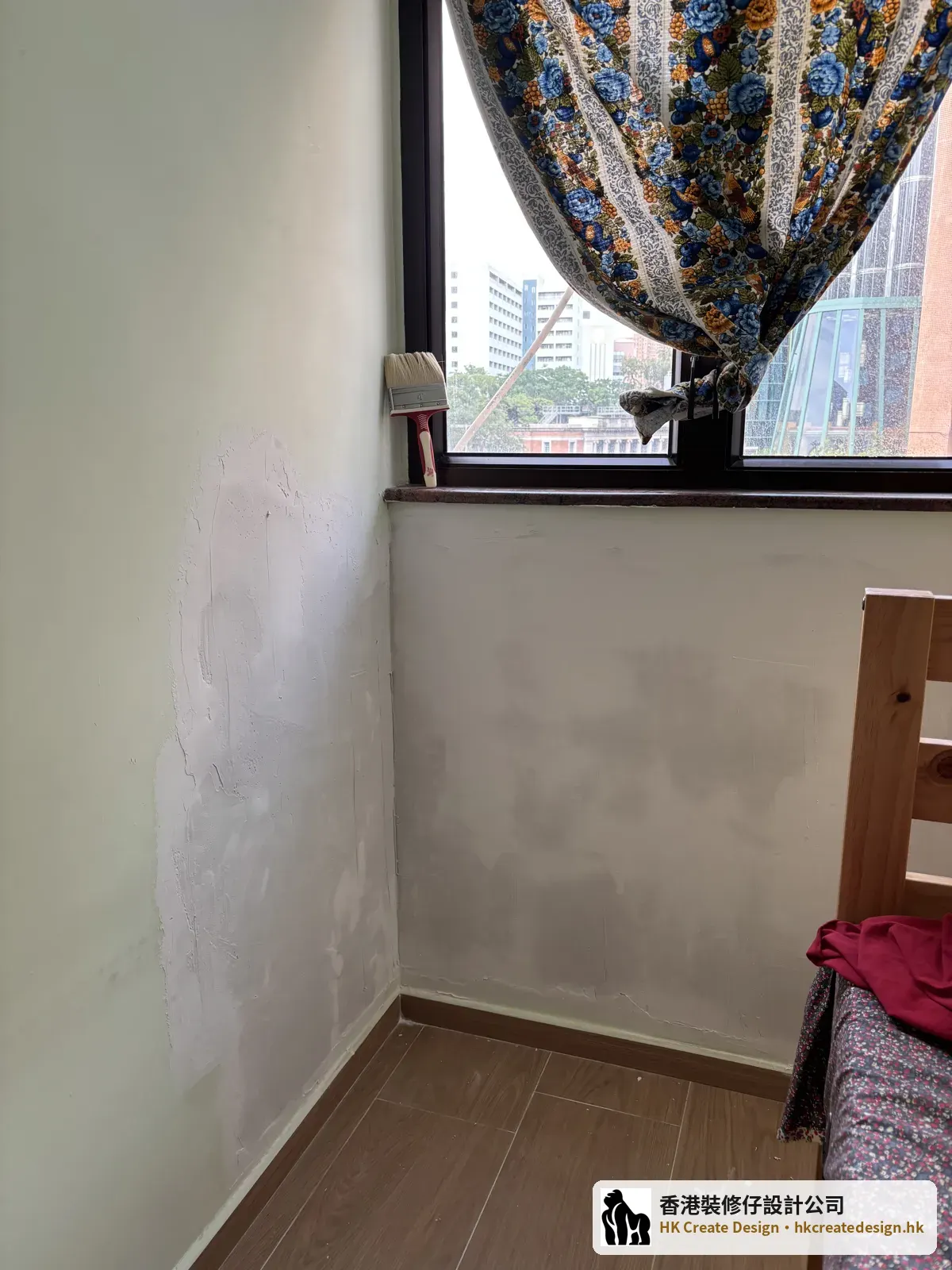
Nippon Paint advises against painting below 5°C or above 85% relative humidity. Avoid painting during rain or if rain is expected while the coating dries[8]. A monthly average of 83% is already close to the limit, and individual days can be more humid still. Allow extra time for spring painting.
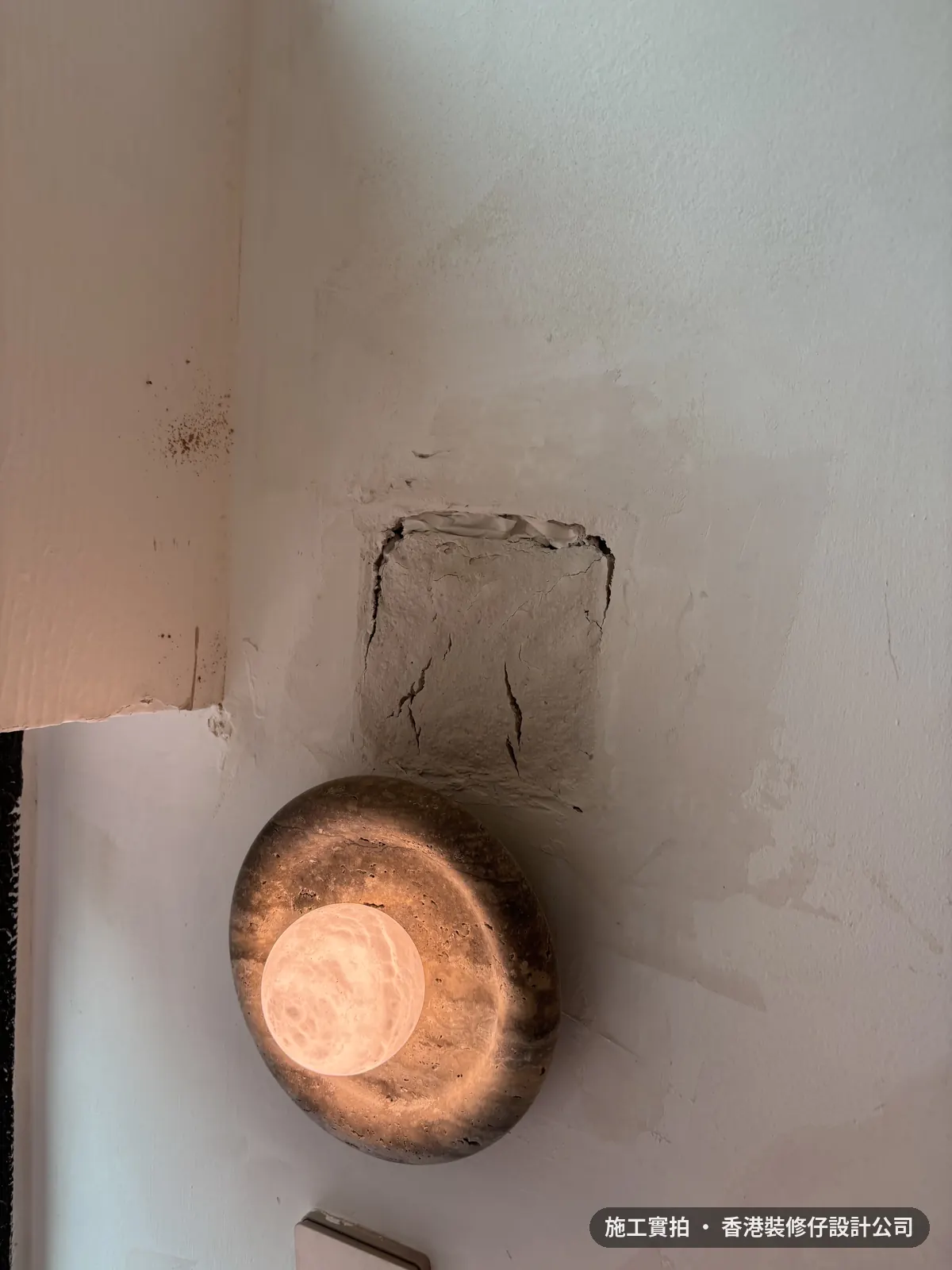
During a humid spring spell, close the windows and use a dehumidifier until the wall is dry enough to start. The manufacturer's data calls for substrate moisture below 6% (or a Protimeter reading of 19). Check and repair all seepage first[7]. On site, we measure wall moisture with a meter rather than judging it by touch.
- Allow extra time in spring, the most humid season
- Avoid painting when humidity exceeds 85%
- Measure wall moisture before starting
08
How occupancy changes the painting schedule
An empty flat is ideal because every room can be at the same stage. For example, apply the first skim coat everywhere, let all the rooms dry at once, then sand them together. Overlapping the drying periods shortens the overall schedule.
In an occupied flat, move furniture to the middle of one room, cover it, and finish that room before moving on. Each room needs a full drying cycle, so the job takes longer. Keep one room available to stay in, put small items away and look after valuables yourself.
When painting before moving in, allow time for the finish to cure fully. The topcoat takes 7 days[7], avoid scrubbing, adhesive tape and knocks until then. Take care not to scrape wall corners when moving furniture in.
- Work can proceed across an empty flat at once
- Paint an occupied flat one room at a time
- Allow 7 days for full cure before moving in
Example 2: Drying times for stripping and skim coating a mould-affected bedroom (E01)
Assumptions
- The bedroom has 120 sq ft of floor area and an estimated 360 sq ft of paintable surface.
- Ongoing seepage has been ruled out. E01 costs HK$39 per sq ft [1].
- Apply 3 coats of Nippon Paint Odour-less Wall Putty, allowing 12–24 hours for each coat to dry [9].
- Allow 2 hours for the primer [10], then apply 2 topcoats 2–3 hours apart [7].
How to calculate quantities
- Price: 360 × HK$39 = HK$14,040, above the minimum charge of HK$7,450.
- Putty drying time: 3 coats × 12–24 hours = 36–72 hours.
- Allow at least 2 hours for the primer to dry and 2–3 hours between the two topcoats.
- Drying time alone ranges from 36 + 2 + 2 = 40 hours to 72 + 2 + 3 = 77 hours.
Drying alone takes about 40 to 77 hours, or roughly 2 to 3 days. This excludes time spent stripping, sanding and painting.
Figures use the manufacturer's data at 25°C. Allow longer in humid spring weather or if the wall is still damp. Paint only after its moisture content falls below the manufacturer's limit [7]. [1][9][10][7]
09
How painting fits with other trades: it usually comes last
Whole-flat renovation, painting is generally scheduled after the plumbing, electrical work, masonry and suspended ceilings,Bespoke furnitureCheck for paint touch-ups before and after installation. Here's why:Rewiringrequires cutting chases,Pipe replacementrequires breaking into walls,Masonry and tilinggenerates a great deal of dust. Painting first leaves the walls exposed to dirt and damage from the remaining work.
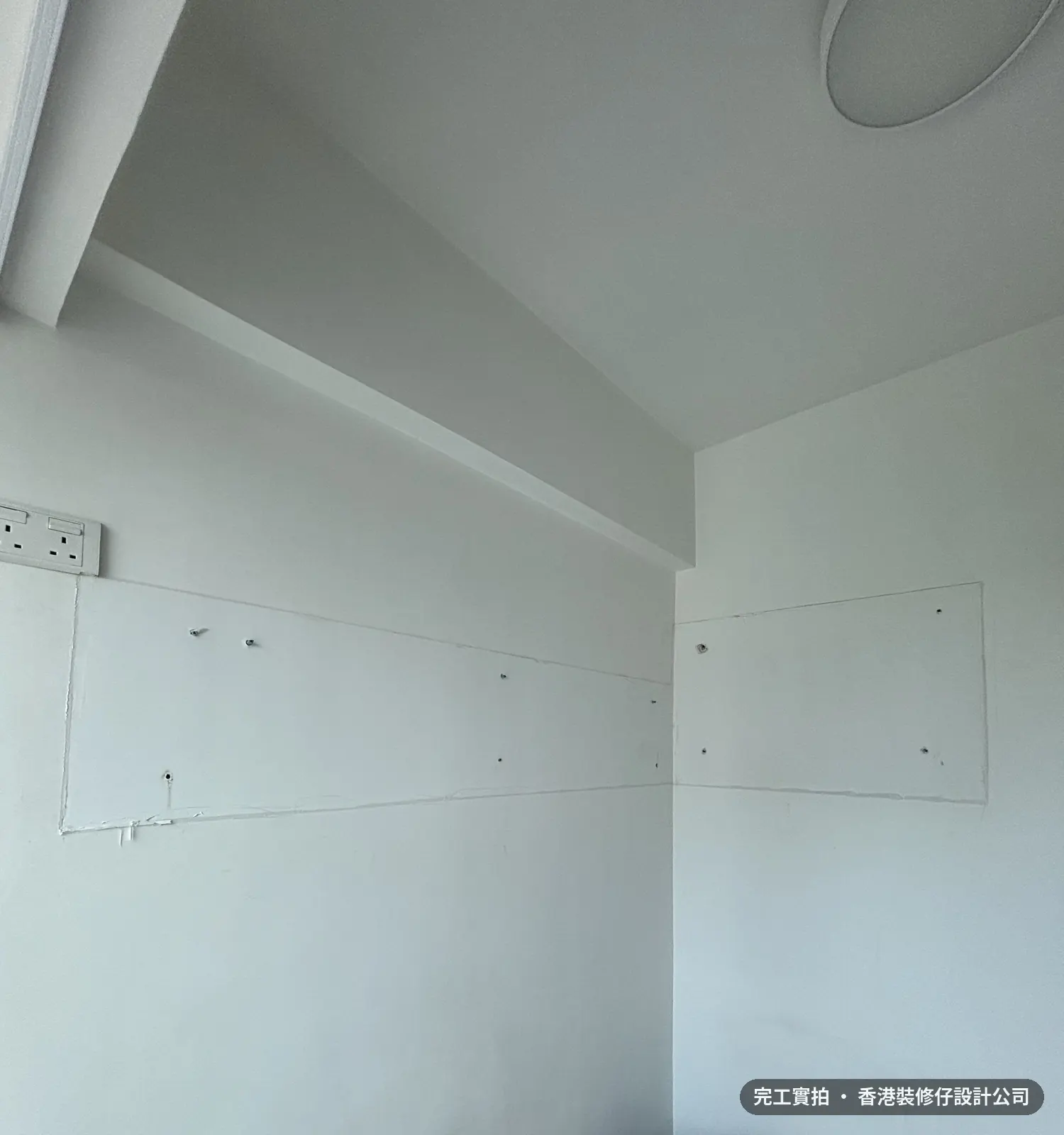
Recently rendered walls need particular care. Fresh cement-and-sand render is alkaline and holds moisture. Let it dry before sealing and priming. Nippon Paint's technical data requires substrate pH below 10[7]. Our B01 wall rendering with sand and cement costs HK$43 per sq ft, with a HK$2,350 minimum. Painting is priced separately under the E-series items[1].
For custom furniture, the quote should say whether the walls behind and above cabinets will be painted. We generally stop before the second topcoat, fit the furniture, then apply the final coat and touch up the edges and any marks from installation.
- Finish plumbing, electrical work and masonry before painting
- Dry and seal new render
- Finish the final coat after fitting the furniture
You can swipe left or right on your phone to view the complete table.
| Month | Hong Kong Observatory mean relative humidity | Application notes |
|---|---|---|
| January–February | 74%–79% | Lower temperatures can slow drying. Watch for cold spells. |
| March–June | 82%–83% | Humidity is highest around the humid spring spell. If it exceeds 85%, postpone painting, close the windows and run a dehumidifier |
| July–September | 78%–81% | Summer is hot and rainy. Avoid painting if it is raining or rain is expected while the paint dries. |
| October–December | 70%–73% | The driest months of the year are also popular booking times |
Humidity figures are monthly averages for 1991–2020 [6]. Application conditions are from Nippon Paint's technical data [8]. [6][8]
10
Expert and official guidance: what do manufacturers and government departments say?
Start with the manufacturer's technical data. Nippon Paint specifies fresh air during application and while the finish dries. High humidity and low temperatures extend drying time, and painting should be avoided above 85% humidity[8][7]. The substrate must be clean, dry and free of grease and loose material. Remove any unstable old paint[7].
The Environmental Protection Department recommends ventilating through windows during renovation. Keep the front door closed and seal the gaps with plastic sheeting or damp towels to keep odours away from neighbours. Choose low-VOC or water-based paint. Lower-gloss paints also tend to contain less VOC[4]. Under the applicable regulations, the VOC limits are 50 g per litre for flat coatings and 150 g per litre for non-flat coatings[3].
The Indoor Air Quality Information Centre recommends opening windows regularly: good ventilation helps dilute indoor air pollutants[5]. Ventilating for several days after painting is the most practical way to shorten the wait before moving in.
- Follow the manufacturer's drying times
- Ventilate through windows and seal the front door during work
- Choose low-VOC matt paint
11
How long will it take before I can move in?
Water-based emulsion becomes touch dry quickly but takes 7 days to cure fully[7]. Use the room carefully once the surface is dry. For 7 days, avoid washing the walls, attaching adhesive hooks or knocking the finish.
Low-odour and low-VOC products can reduce the smell. We still recommend ventilating for several days before moving in. Households with children,Older residents, pregnant household members or pets, allow a little longer. Our guide to painting a child's room covers paint selection in more detail.
Do not pour leftover paint into drains or toilets. The Environmental Protection Department says fully dried paint can be disposed of as ordinary waste, and small amounts of household leftover paint can go into household refuse[4].
- Touch dry and fully cured are different stages
- Avoid washing or knocking the finish for 7 days
- Keep leftover paint out of drains
Example 3: Why cement-based skim coat (SC273) can add several days
Assumptions
- Some wall areas need a thicker skim coat. Use two coats of Optimix SC273 in these areas.
- The manufacturer requires each coat to harden for at least one day before another coat is applied [12].
- Wait 3–7 days after hardening before applying paint [12].
How to calculate quantities
- Apply the first coat, wait at least 1 day, then apply the second.
- After the second coat, wait 3–7 days before painting.
- From the first skim coat to painting: 1 + 3 = 4 days to 1 + 7 = 8 days.
With cement-based skim coat, it takes about 4 to 8 days from the first application until painting can begin, much longer than with water-based wall putty.
Wall condition and the required thickness determine which skim coat to use. Our quotation specifies the material and estimated duration. [12]
12
Five common problems when painting is rushed
First, sanding or painting before putty dries can leave a wall looking smooth initially, then cracked or blistered a few months later. Second, painting in humid spring weather without dehumidifying slows drying and can leave roller marks and wrinkles. Third, painting fresh render before it dries can cause efflorescence and discolouration.
Fourth, no time was allowed to touch up the paint after the furniture was installed. Once the cabinets went in, the wall corners were visibly scuffed. Fifth, the quote gave no schedule. When poor weather was blamed for a delay halfway through, the owner had no timeline to check it against. Our quotations give the estimated duration and explain how weather-related delays are handled.
If you have a firm move-in date, restrict stripping to walls that need it or phase the work. Keep the full drying intervals in the schedule.
- Let the putty dry before sanding
- Dehumidify during humid spring spells
- Include the schedule in the quotation
You can swipe left or right on your phone to view the complete table.
| Site conditions | Work sequence | Impact on timing | What the owner should prepare |
|---|---|---|---|
| Empty flat (before move-in or after move-out) | Work across the whole flat so that each stage dries at the same time | Shorter | Check that plumbing, electrical and masonry work is complete |
| Occupied flat | Work one room at a time with furniture covered in the middle | Longer; work in stages | Keep a room available to stay in and put small belongings away |
| Selected rooms only | Focus the work on selected rooms | Depends on the area | Check whether other rooms need protective coverings |
These are typical schedules. HK Create Design's site team will assess the flat to confirm the actual duration. [1]
13
Handover checks after the full drying schedule
Inspect the finish after the topcoat dries through. Shine a light across the wall to reveal trowel marks, ripples, roller lines and blisters. Internal and external corners should be straight, with a neat line where the wall meets the ceiling. The surface should feel smooth and grit-free.
If a wall was affected by mould, check window edges, the space behind wardrobes and the inside face of external walls at handover for fresh water marks. If there was seepage, confirm that the source has been addressed.
ourPaintingOur one-year warranty covers paint cracking, blistering and peeling unless the damage was deliberate. It excludes underlying problems caused by leaks or seepage. We can quote separately for those repairs at a preferential rate.
- Shine light across the wall
- Check areas previously affected by mould
- Specify the warranty coverage
14
How we schedule your painting work
The HK Create Design team has more than a decade of project experience. Our designers use AutoCAD, 3ds Max and SketchUp for drawings. Whole-flat renovation,Older flat renovation, painting and masonry work are scheduled together. At the site measurement we check wall moisture and scrape- and tap-test each surface, then specify the treatment for each wall in the quotation.
We schedule around seasonal humidity, allow extra time and use dehumidifiers during humid spring weather. In an occupied flat, we work room by room. On-site measurement is free through 31 December 2026 for two or more work items, with no deposit. After that, the HK$500 fee is credited against the order.
For a free quotation from the HK Create Design team, WhatsApp 5243 7747 or visit our Wong Tai Sin shop, Monday to Saturday, 10:00–18:00.
- Measure wall moisture during the site visit
- Plan the schedule around the season
- Specify the treatment for each room
Advice from our tradespeople
「Direct repainting throughout a 400 sq ft flat generally takes three to five days. Stripping and skim coating needs several extra drying days. In humid spring weather, painting a wall before it has dried can quickly cause blisters.」
「We allow drying days in the schedule and avoid starting the next stage prematurely. Before moving in, customers should ideally allow two days for paint odours to disperse.」
「Let every coat of putty dry completely before sanding. Only move on when the surface feels smooth and a sweep of the hand leaves no powder. If time is tight, add a dehumidifier and keep every stage.」
FAQ
14 practical questions answered
01Should the ceilings and walls be painted at different times?
Paint the ceiling before the walls to prevent drips on the finished wall. Both follow the same drying schedule. High ceilings and access equipment can add time. Use a mobile work platform or step platform for work above floor level. Do not stand on a ladder to carry out the work[2].
02Can a dehumidifier shorten drying time?
A dehumidifier helps materials dry within the manufacturer's recommended conditions. Keep to the minimum recoating intervals, for example 12–24 hours for each coat of wall putty[9].
03Will changing a dark wall to a light colour take longer?
Yes, because an extra topcoat is usually needed. Our price list adds HK$4 per sq ft when changing from a dark colour to a light one[1], and each extra coat adds another 2–3 hours of waiting before recoating[7].
04How many days does it usually take to paint a whole flat?
It depends on wall condition and weather. With direct repainting, the main wait is the 2–3 hours between topcoats[7]. For stripping and skim coating, three coats of putty need 36–72 hours of drying time alone[9]. We give the estimated schedule in writing after site measurement.
05How long should you wait between coats of paint?
For example, Nippon Paint 2nd Generation Super 5-in-1 can be recoated after 2–3 hours at 25°C[7]. The Dulux Odourless Anti-mould 5in1 product page specifies 2–3 hours before recoating[14].
06How long before sanding putty or applying another coat?
Allow at least 12–24 hours between applications of Nippon Paint Odour-less Wall Putty[9]. Allow at least one day before applying another coat of Optimix SC273[12].
07Can you paint during humid spring weather?
Nippon Paint recommends avoiding painting when relative humidity is above 85%[8]. During humid spring weather, close the windows and run a dehumidifier. Wait until the wall moisture drops before starting.
08Which months are best for painting?
Hong Kong Observatory figures show average relative humidity of 70%–73% from October to December, among the driest months of the year[6]. Painting can take place in any month if humidity is controlled.
09How long will it take before I can move in?
Topcoat takes 7 days to cure fully[7], ventilate for several days before moving in. Allow extra time if the household includes young children or older people.
10Can we paint while the flat is occupied?
Yes. Work one room at a time, moving the furniture to the middle and covering it. This takes longer than painting an empty flat because each room needs its own drying time.
11When can newly rendered walls be painted?
Let the render dry fully. Substrate moisture and pH must meet the manufacturer's specifications, for example a pH below 10[7], then apply sealer and primer.
12Why do some painters say they can finish in a day?
Two coats on a small area of sound wall may be possible in one day. Stripping and skim coating is different: each coat must dry. If a contractor promises to finish in a day, ask how they will allow for drying.
13Which comes first, painting or fitting custom furniture?
Furniture is usually fitted before the final coat of paint. The painter then completes the last coat, touches up the edges and repairs any fitting marks.
14What happens if the work is delayed?
The quotation should state the estimated duration and how weather-related delays will be handled. HK Create Design lists the work stages and expected number of days, and lets you know before making changes.
CHECK THE BASIS
Data and technical basis, sources can be verified
- [1]HK Create Design 2026 detailed renovation estimates and published prices (117 items) Accessed: 2026-11-03
- [2]Labour Department: Occupational safety in renovation and maintenance work for owners and tenants of commercial and residential premises Accessed: 2026-11-03
- [3]Environmental Protection Department: Volatile organic compound content limits for regulated construction paints Accessed: 2026-11-03
- [4]Environmental Protection Department: Paint odour from renovation work and disposal of leftover paint Accessed: 2026-11-03
- [5]Environmental Protection Department, Indoor Air Quality Information Centre: Frequently asked questions Accessed: 2026-11-03
- [6]Hong Kong Observatory: Monthly averages of meteorological elements in Hong Kong (1991-2020) Accessed: 2026-11-03
- [7]Nippon Paint Hong Kong: 2nd Generation Super 5-in-1 Interior Emulsion Paint Technical Data Sheet Accessed: 2026-11-03
- [8]Nippon Paint Hong Kong: Odour-less 5-in-1 (Moisture-Proof) Interior Emulsion Paint Technical Data Sheet Accessed: 2026-11-03
- [9]Nippon Paint Hong Kong: Nippon Paint Odour-less Wall Putty Accessed: 2026-11-03
- [10]Nippon Paint Hong Kong: Odour-less Interior Primer Accessed: 2026-11-03
- [11]Nippon Paint Hong Kong: Vinilex 5101 Wall Sealer (Interior) Accessed: 2026-11-22
- [12]Optimix (Hong Kong) Limited:SC273 Skimcoat (Putty for Paint) Data Sheet 2026.02.05 Accessed: 2026-11-03
- [13]Dulux Hong Kong: Dulux Pentalite Upgrade Emulsion Paint Accessed: 2026-11-03
- [14]Dulux Hong Kong: Dulux Odourless Anti-mould 5in1 Accessed: 2026-11-03