
Painting in Hong Kong · Work and inspection guide
A visual guide to painting work in Hong Kong: From stripping and skim coating to final inspection
Peeling walls and sound paint that simply needs a colour change require different work. See photos of the same room and compare stages, timing, quotations and inspections for each wall condition.
A durable finish depends on a sound substrate, compatible materials and adequate drying between coats. Find the source of persistent damp first.
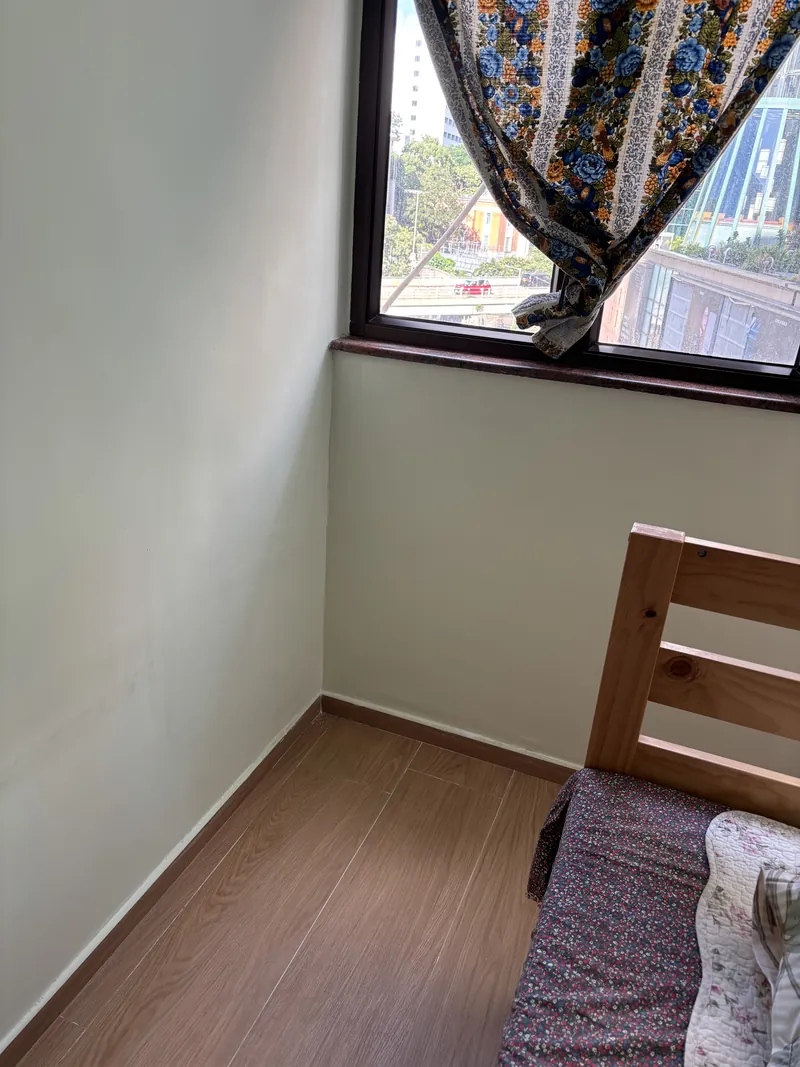
01 / Start with your wall
Does the wall need stripping? Start with its condition.
A colour change over sound paint needs different preparation from a wall with widespread peeling. Record adhesion, chalking, cracks and water stains on site, then identify which layers to retain or remove.
Photos help with an initial assessment. Adhesion, moisture and the extent of repairs must be checked on site.
Project photographs from Jordan, June 2026
The same room at three stages of the work.
These photos follow peeling paint at the window through local repair to the finished room. Compare the frame, curtains, bed frame and skirting across slightly different angles and lighting. Swipe on mobile or tap a photo to enlarge.
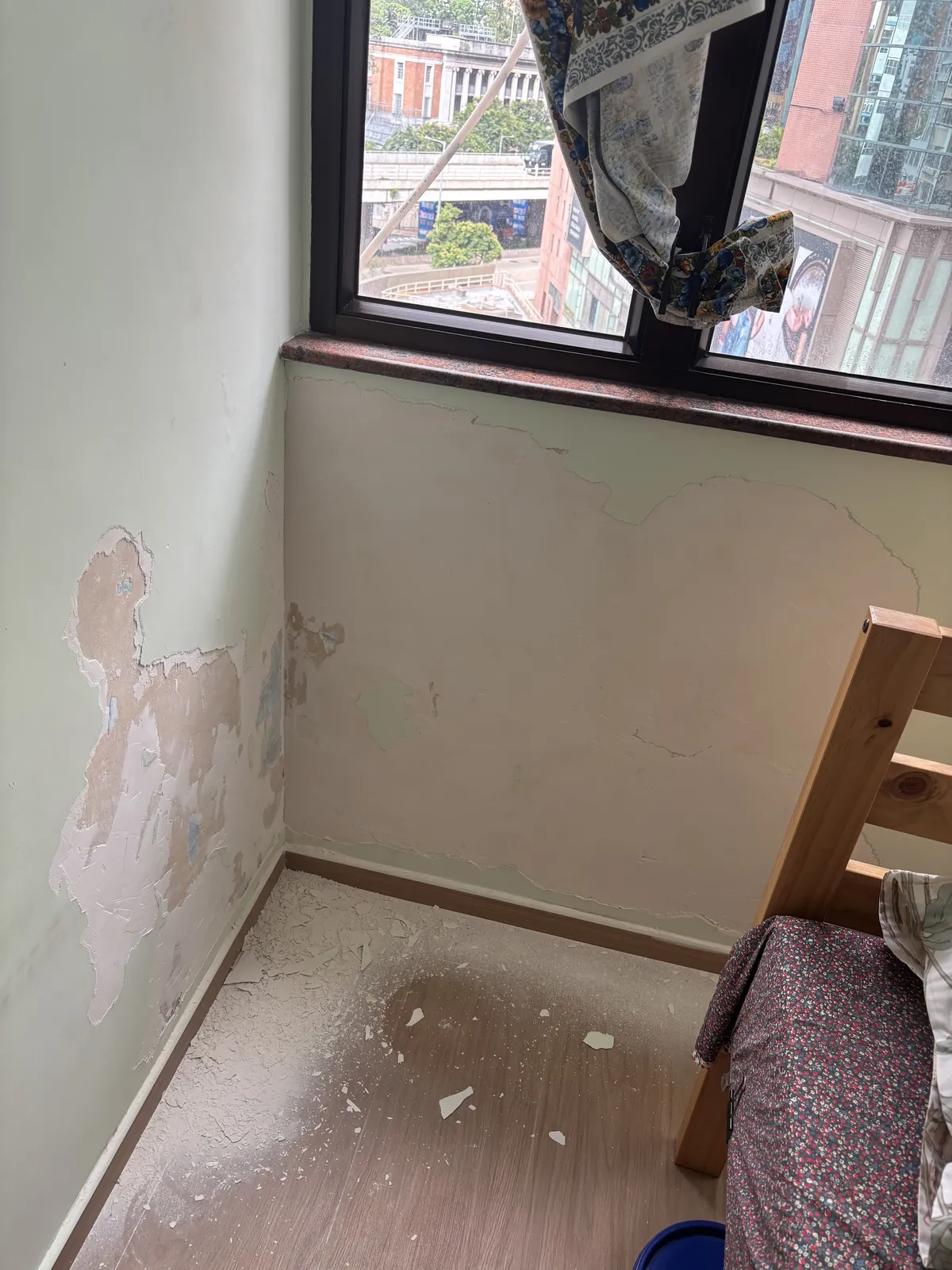 Paint stripping in progressEnlarge the stripping-stage project photo
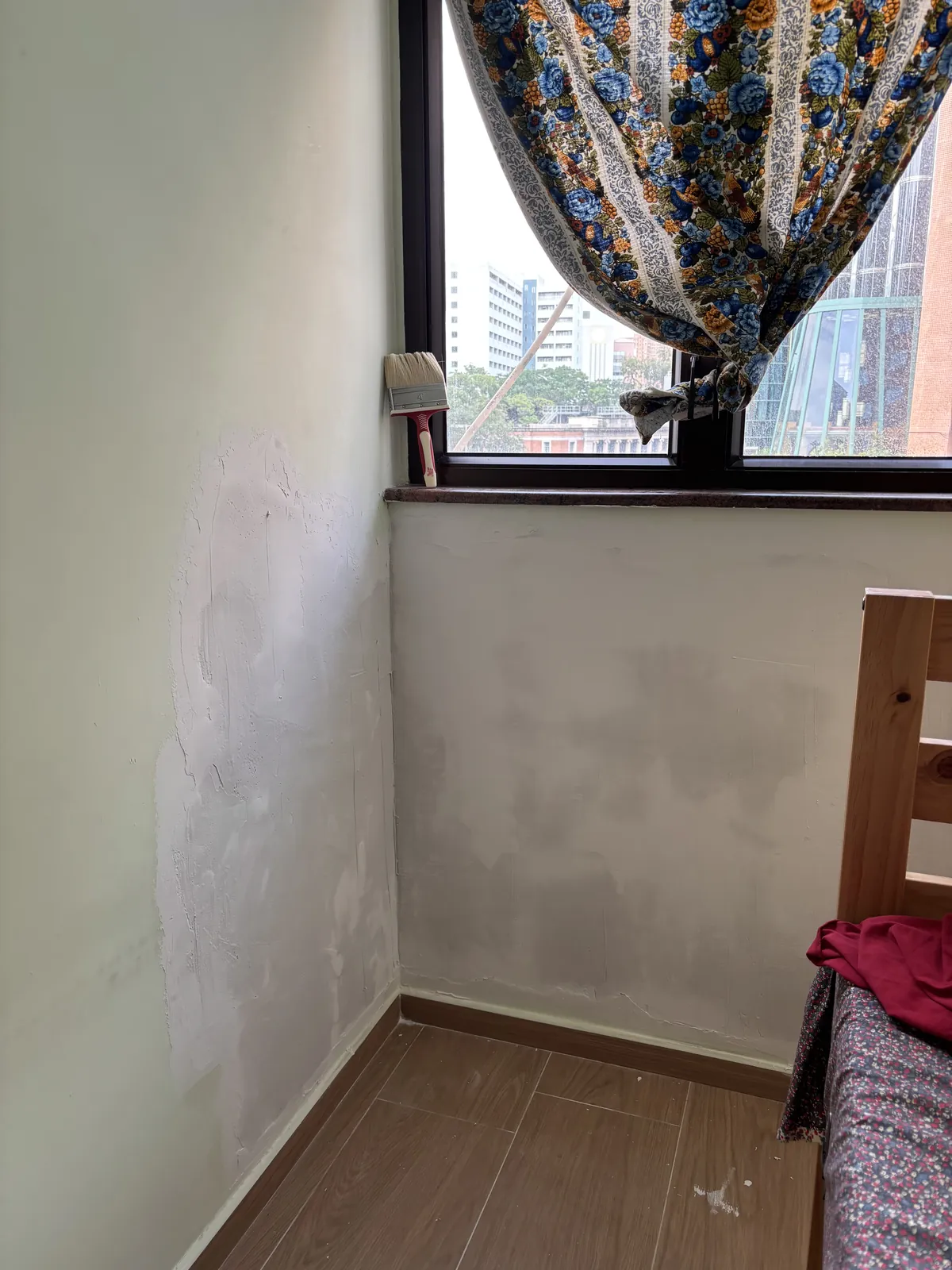 Local repairs underwayEnlarge the repair-stage project photo
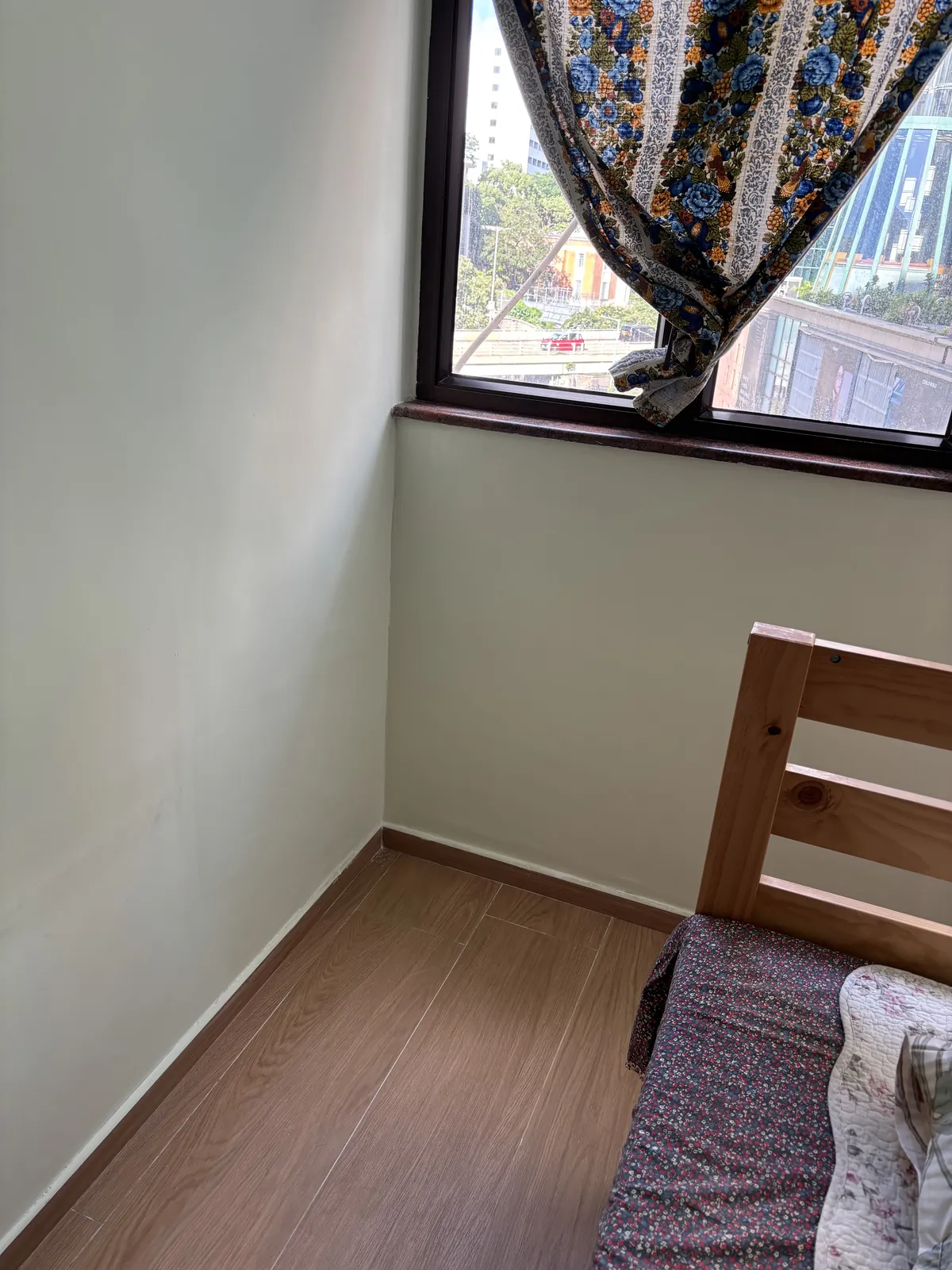 Painting completeEnlarge the completed finish photo
These site photographs were taken on 19, 20 and 21 June 2026. Images were resized and arranged for display. The project’s total duration, painted area and final price have not been published.
02 / Painting stages at a glance
Follow the work through all six stages.
Painting typically involves six stages: protection and inspection, stripping and cleaning, repairs and skim coating, sanding and dust removal, compatible primer, then topcoats and inspection. Sound old paint may be repainted. Address peeling and chalking at substrate level. Investigate water stains or recurring mould before coating. The substrate and chosen product system determine when to seal and how many coats to apply.[13]
01 | Protection and inspection
Photograph the walls, ceilings, door frames and floors before work starts. Specify protection for furniture, appliances, floors and areas outside the works in the quotation. Plan access, ventilation and cleaning.
Before repairs, check whether water stains are spreading or cracks keep returning. Photos alone cannot identify where seepage originates.
- Confirm which rooms, ceilings and door frames are included and which areas will be retained.
- Record water stains, peeling paint, chips and existing scratches individually.
02 | Stripping, cleaning and sealing as specified
Remove loose paint, dust and dirt. Decide on site which well-bonded layers can stay. If the underlying plaster is loose, list any plaster repairs separately.
A sealer must be compatible with the substrate, filler, primer and topcoat. Terms such as “sealer” or “damp-proof primer” are too broad to identify a product. Specify the brand, model, location and application order.[13]
- Check for loose or lifting edges, then clean the surface before proceeding.
- If a quote includes damp protection, check whether it also includes leak repairs.
03 | Repairs and skim coating
Build up repairs in layers to suit the depth and substrate. Let each layer dry to the product specification before applying the next. One thick coat cannot replace this process.
For example, Nippon Paint Odour-less Wall Putty recommends 2–3 coats and specifies a minimum recoating interval of 12–24 hours at 25°C. Other products and site conditions can require different intervals.[15]
- Inspect recesses, joints and repaired cracks up close.
- Record the filler used and the coats actually applied.
04 | Sanding, dust removal and checking for an even surface
Once the repair layer is ready for sanding, smooth out trowel marks and joints with the old surface. Check under normal lighting and light from the side, then agree the finish before painting.
Remove sanding dust. Whether a separate sealer is needed depends on the specified system and substrate absorbency. Multiple different sealers are unnecessary on some walls.
- Check for visible trowel marks, pinholes and raised joints.
- Apply primer once the underlying surface is clean and dry.
05 | Apply the compatible primer
Check the primer’s purpose and dilution instructions for the specific product. Materials from different brands or intended for different uses should not be mixed into a generic formula. List each primer, topcoat and coat count separately in the quotation.
For example, Nippon Paint Odour-less Primer (Interior) specifies at least 2 hours between coats at 25°C. Check on-site dryness even after the interval has elapsed.[16]
- Check the product model, quantity and area treated against the written agreement.
- Allow the full recoating interval before applying a topcoat.
06 | Topcoats, finishing and handover
Confirm the colour code, sheen and sample, then follow the product specification. The colour change, substrate and hiding power can affect the coats required. Agree the cost of extra work in advance.
For example, the technical data for Nippon Paint 2nd Generation Super 5-in-1 specifies a compatible primer and two topcoats. At 25°C, allow about 2–3 hours before recoating and about 7 days for full cure. This does not guarantee a move-in date.[13]
- Check for colour differences, missed patches, drips, brush marks and the finish around doors and windows.
- Inspect the floors and furniture before and after the protective coverings are removed.
03 / Why drying time matters
Plan the schedule around work, drying time and handover
The schedule depends on the extent of stripping, number of skim coats, occupancy, furniture moves and weather. Ask for a programme showing working and drying time separately, with realistic intervals between coats.
Touch-dry, ready to recoat and fully cured are different stages. For occupancy, assess the products, ventilation and indoor conditions. Odour or the number of days on site alone cannot establish readiness.
Allow drying time according to the filler specification and coat thickness. Surface colour alone is unreliable.
Check the recoating interval for the specific product and reassess it in humid weather.
Touch-dry time, recoating time, full cure and readiness for occupancy are separate considerations.
04 / Agree the scope of work
Compare the scope of each quote before comparing the price per sq ft
The table shows the company’s published reference rates. The actual Jordan project price was not supplied. Estimate the measured wall and ceiling surfaces. A multiple of saleable area is for preliminary planning only. A formal quote should list measured quantities.[1]
Confirm coverage for ceilings, stripping, local plaster repairs, primer and topcoat models, protection, furniture moves, waste removal and finishing. List leak repairs, work at height, specialist finishes and dark-to-light colour changes in writing before work starts.
| Plan | What each option covers and when it applies | Our indicative price | Minimum charge for this item |
|---|---|---|---|
| E03 Turn oil directly | Sound existing paint: clean the surface, fill nail holes, sand lightly and apply two topcoats | HK$12 per sq ft of surface worked on | HK$3,700 |
| E02 Local repairs | Strip loose patches, repair cracks and chips, prime, sand and apply two topcoats | HK$21 per sq ft of surface worked on | HK$4,650 |
| E01 Paint stripping and skim coating | Strip, apply a compatible sealer, skim and sand, then prime and apply topcoats. Deal with the source of seepage first. | HK$39 per sq ft of surface worked on | HK$7,450 |
Company price list reference[1]. Confirm the figure against the measured surface area and actual scope, with specialist work listed separately. The figure is illustrative.
Example 1: The measured surface area is 400 sq ft
Assume that only E03 direct repainting is required, over a measured surface area of 400 sq ft.
The company’s reference unit rate is HK$12, with a minimum charge of HK$3,700 for this item.[1]
- 400 × HK$12 = HK$4,800。
- HK$4,800 exceeds the minimum charge for this item.
This pricing example uses work surface area. The actual project price was not supplied. Other work and extras are charged separately.
Example 2: The minimum charge can apply to a small area
Assume a measured surface area of 100 sq ft for E01 stripping and skim coating.
The company’s reference unit rate is HK$39, with a minimum charge of HK$7,450 for this item.[1]
- 100 × HK$39 = HK$3,900。
- HK$3,900 falls below the minimum charge of HK$7,450 for this item.
Leak repairs, plastering and other extras are excluded. For a different small repair, confirm which price applies.
The calculator preselects local repairs and estimates the surface area at 3 times the flat’s saleable area. Adjust the work items and quantities as needed. Select the separate item for full stripping.
05 / Check each item before handover
Inspect each stage, including the layers beneath the final coat
Record the scope before work starts. Check the substrate after stripping, evenness after skimming, then colour and edges after painting. Inspect under everyday lighting, using light from the side to identify joints that need discussion.
Checked 0 / 4 items · Ticks are reminders for this visit only
See the full renovation inspection and snagging checklistConfirm materials and site safety before work starts
Sanding creates dust. Isolate the work area and provide ventilation and appropriate protection. Have suitable personnel assess work at height, suspect old materials or unidentified coatings. Residents should never stand on unstable furniture to reach high areas.
The Consumer Council’s home painting guide covers the general process and protection. The product-specific methods and waiting times on this page come from the respective technical data sheets.[20]
Frequently asked questions
Questions to ask before work starts
01Does the whole flat always need stripping before painting?
Not always. Check adhesion, chalking, peeling and damp. Sound paint may only require cleaning, light sanding and repainting. Remove or stabilise loose layers before covering them.
02Are water-based sealer, primer and damp-proof coating the same?
The names can overlap, and function depends on the product. Ask for the brand, model, compatible coating system and location. A trade nickname alone cannot establish interchangeability.
03Can topcoat be applied on the day the wall is skimmed?
It depends. Check when the skim coat is dry enough to sand, remove the dust and allow the specified recoating times for the matching primer and topcoat. Keep these intervals even on a tight schedule.
04Can anti-mould paint fix water staining or seepage?
Topcoat cannot repair a leak. Find the source and address the damp before assessing the substrate and selecting a coating.
05Is whole-flat painting priced by the flat’s saleable area or the wall surface area?
The company’s reference rates are based on the surfaces to be painted. The quotation should specify walls, ceilings and deductions. Multiplying the flat’s saleable area by the rate will give an inaccurate total.[1]
06Can work be done room by room while people are living there?
Assess how the rooms, furniture, access and ventilation can be managed. Moving and protecting furniture may add labour, to be confirmed after inspection. Keep the work and living areas separated.
07How soon can I move in after painting?
There is no fixed waiting period for every product and flat. Follow the product guidance and assess ventilation and indoor conditions. Neither a touch-dry film nor full cure alone establishes readiness for occupancy.
08What should I prepare for a photo enquiry?
Prepare a wide shot of the room, a close-up of the problem and a photo of the window edge or ceiling junction. Include the district, scope and preferred month. Photos support an initial assessment. Confirm the method and quotation on site.
Product information and public references
The HK CreateDesign project team compiled this guide. Product examples refer to specific models. Confirm the method, material compatibility, timeline and price on site. The original project shows only stages visible in the photos. No area, price or duration has been inferred where records were unavailable.
- [1] HK Create Design 2026 detailed renovation estimates and published prices (117 items)View:2026-11-09
- [13] Nippon Paint Hong Kong: 2nd Generation Super 5-in-1 Interior Emulsion Paint Technical Data SheetView:2026-11-09
- [15] Nippon Paint Hong Kong: Nippon Paint Odour-less Wall PuttyView:2026-11-09
- [16] Nippon Paint Hong Kong: Odour-less Interior PrimerView:2026-11-09
- [20] Consumer Council: Home painting guide to DIY paintingView:2026-11-09
The project team compiled the company’s site records. Product examples imply no brand certification, endorsement or partnership.