
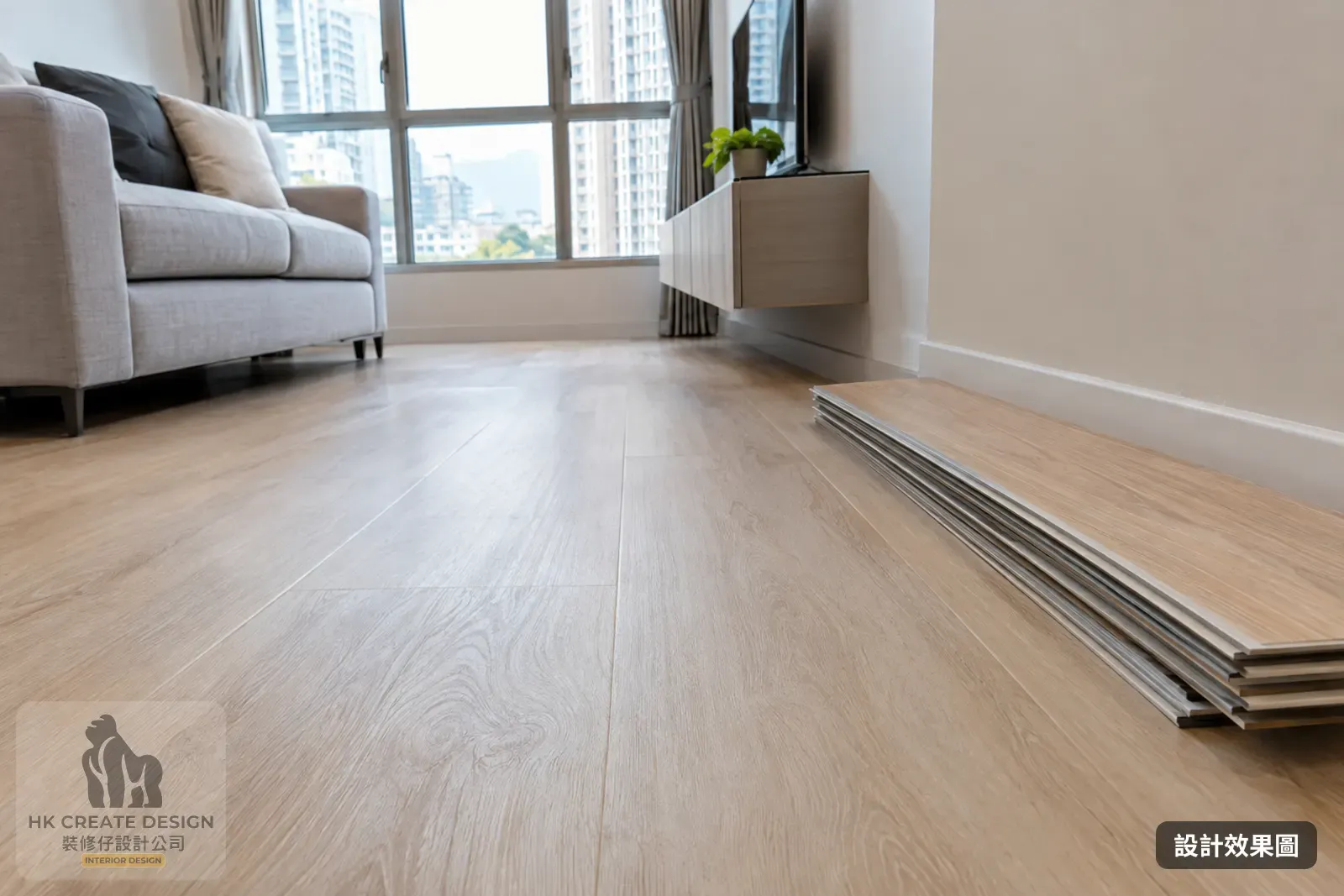
01
1. What is self-levelling compound?
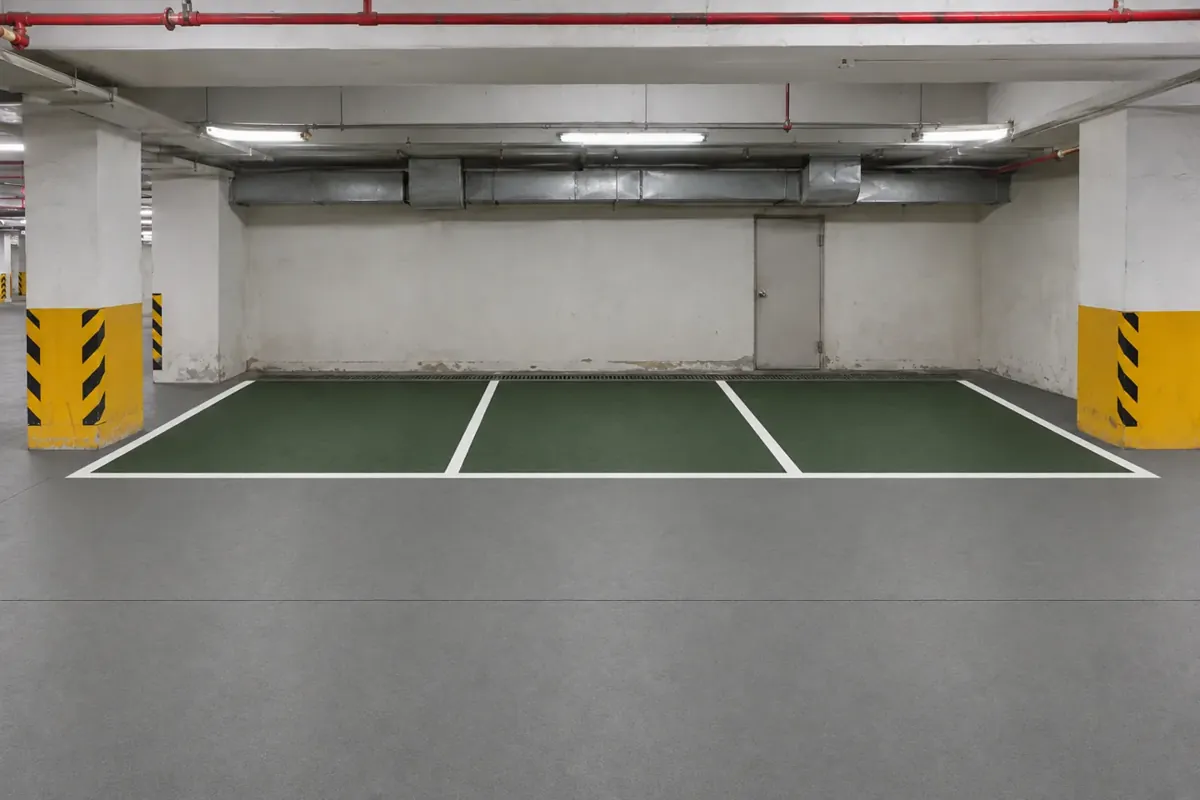
Self-levelling floorsUsually cement-based, this flowable compound contains specialist cements, fine aggregates and polymers.
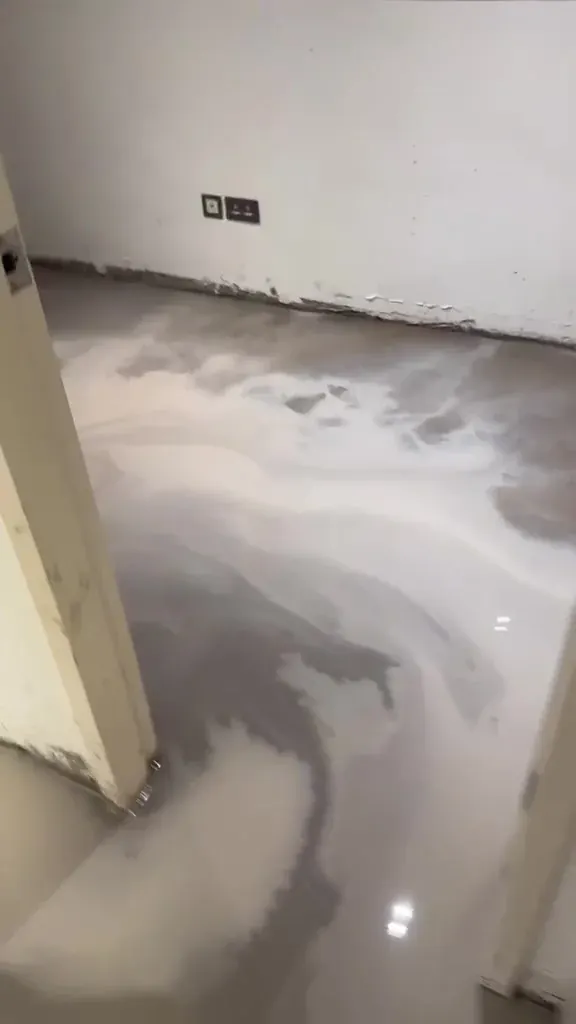
Its main characteristic isHigh flowability: once poured, the mixed compound flows under gravity into surface irregularities. As it dries, it forms a smooth, strong and seamless base for the flooring.
REAL PROJECT PHOTOS
Flooring work in progress and completion photos
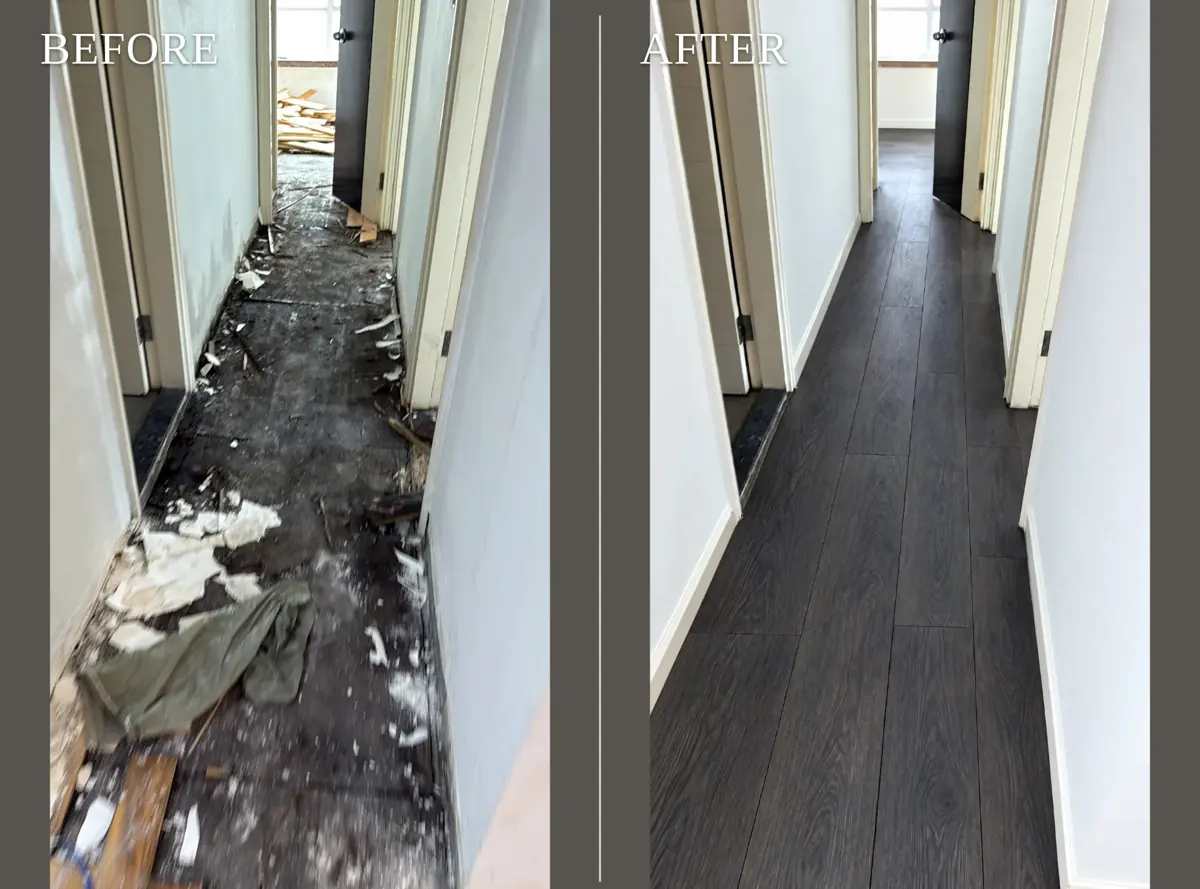
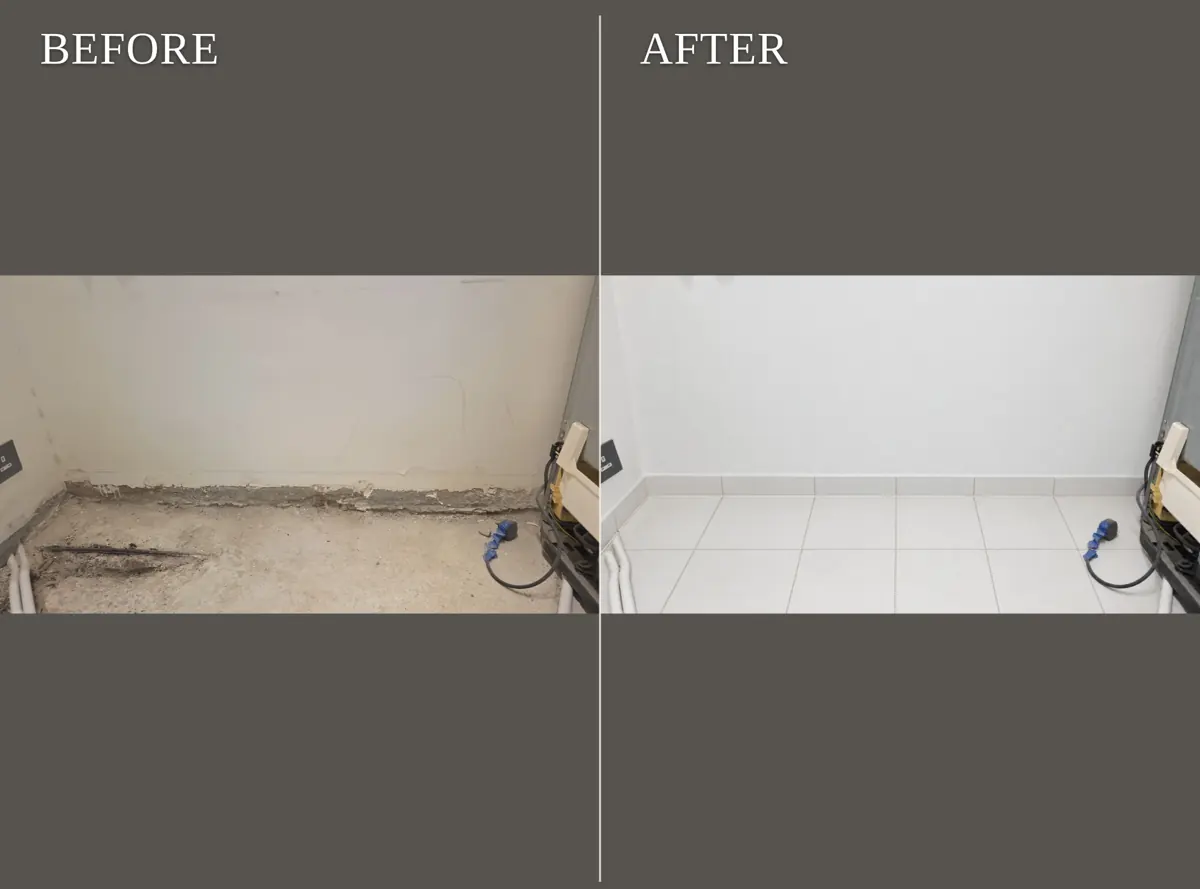
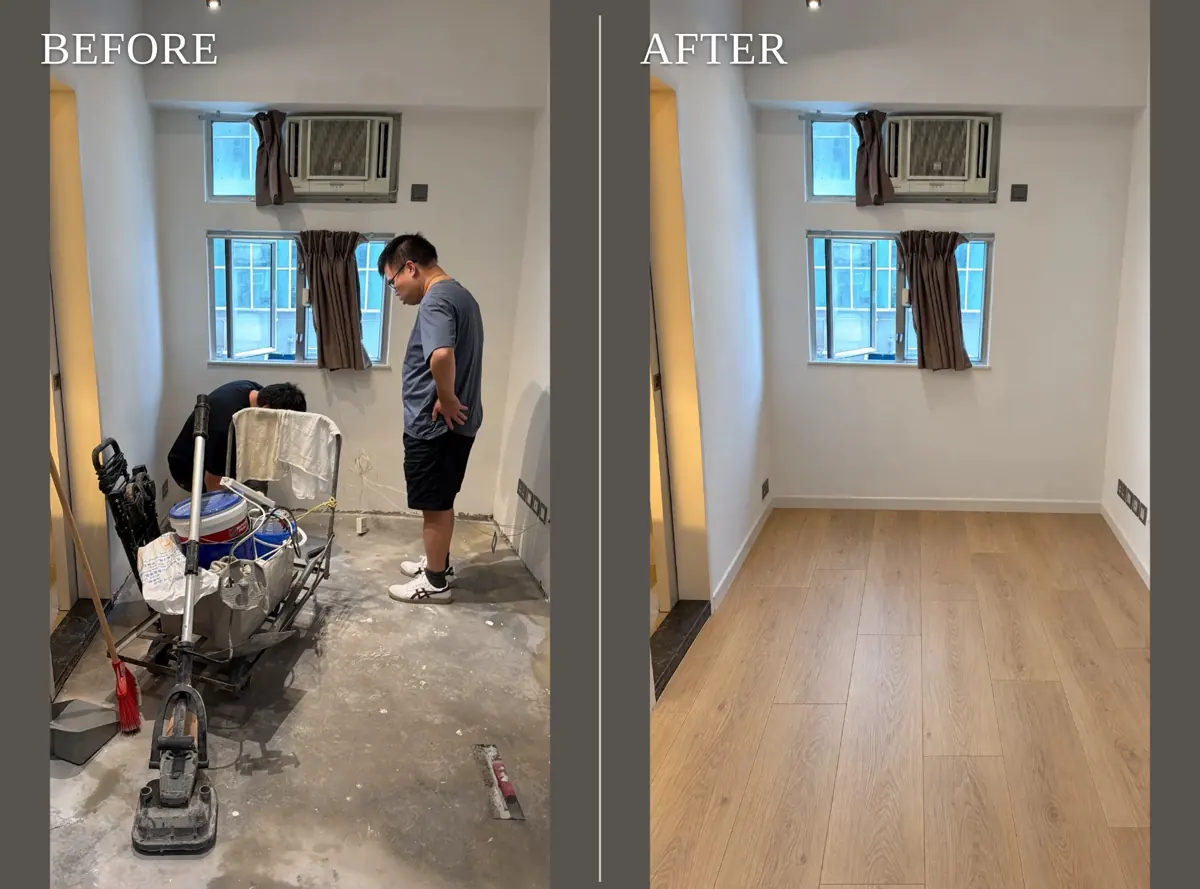
These photographs were taken on actual HK Create Design projects. Client details have been removed.
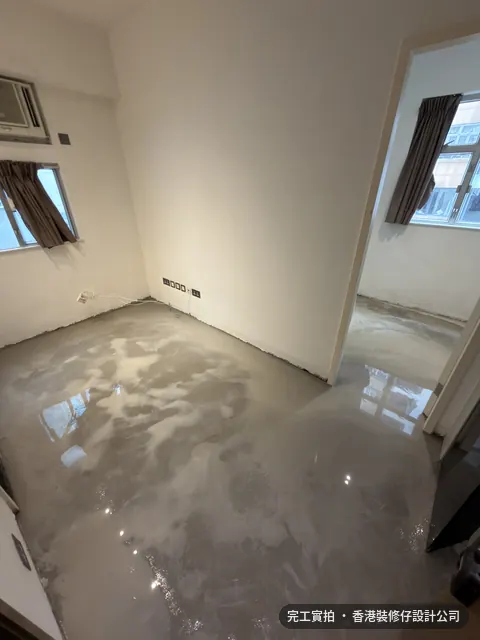
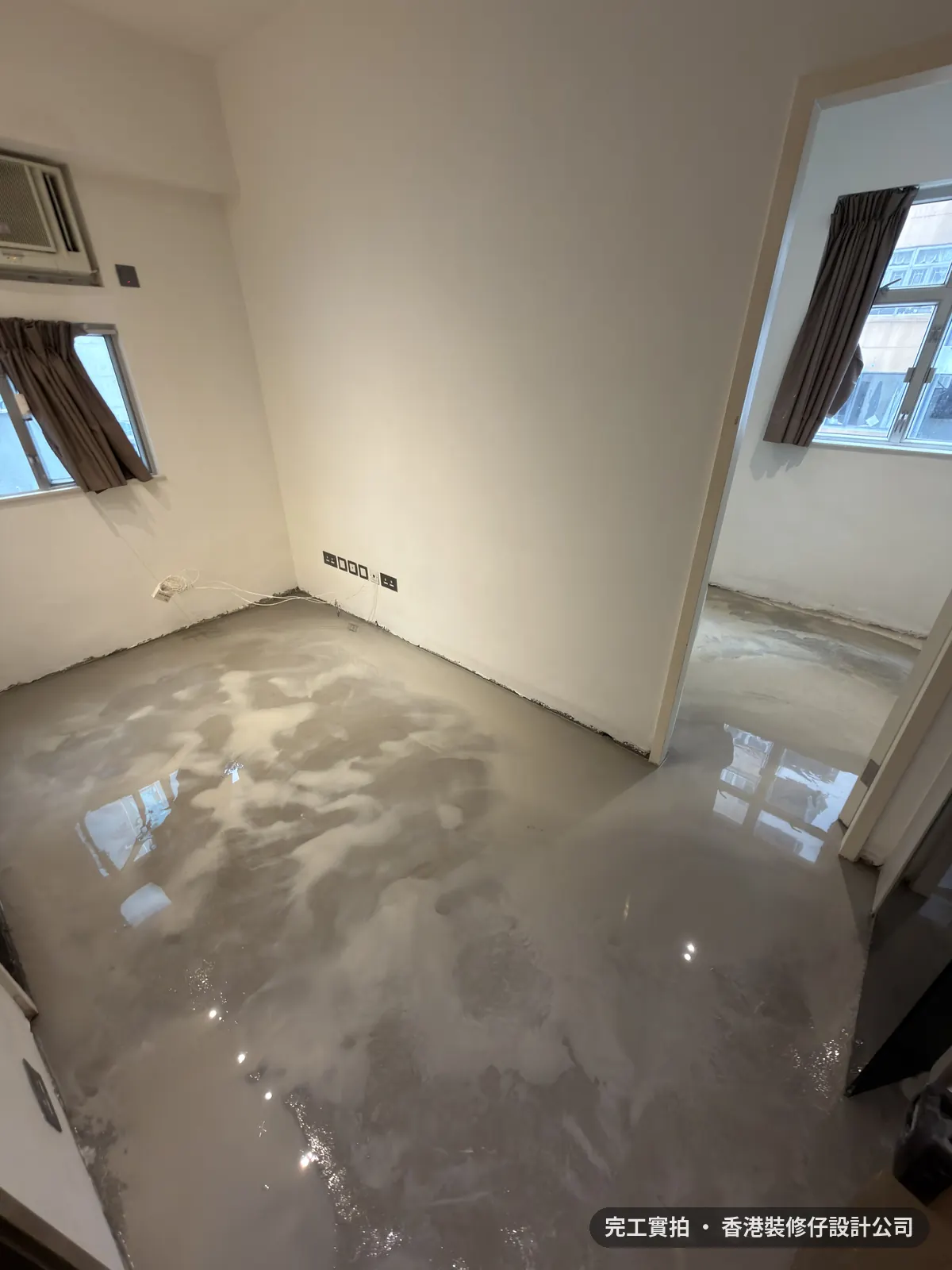
Completed project photosWan Chai · Self-levelling floor work · August 2026 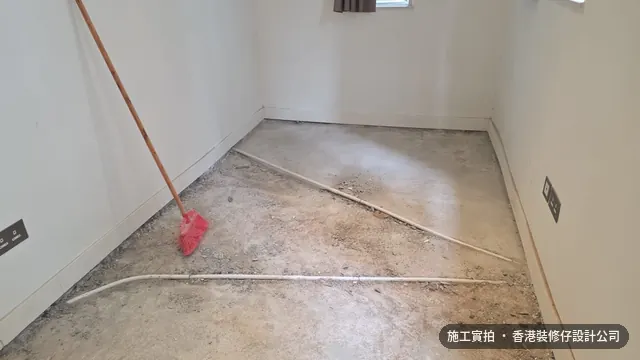
Site photoWan Chai · Self-levelling floor work · July 2026 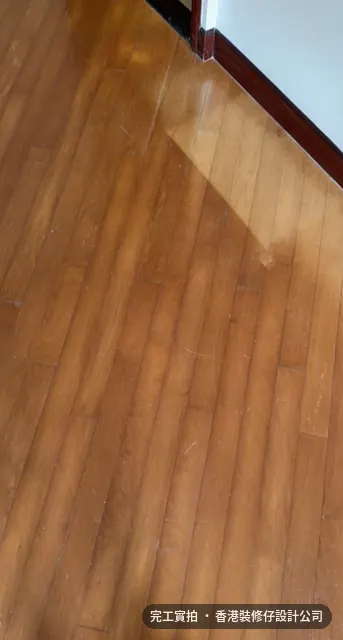
Completed project photosMount Parker Lodge, Sai Wan Ho · Flooring · July 2026 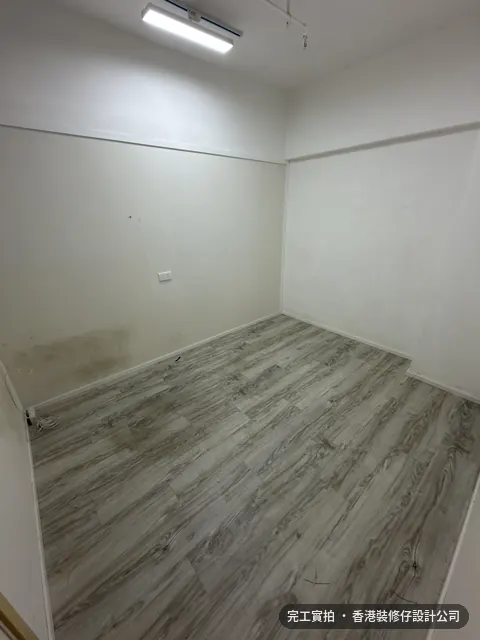
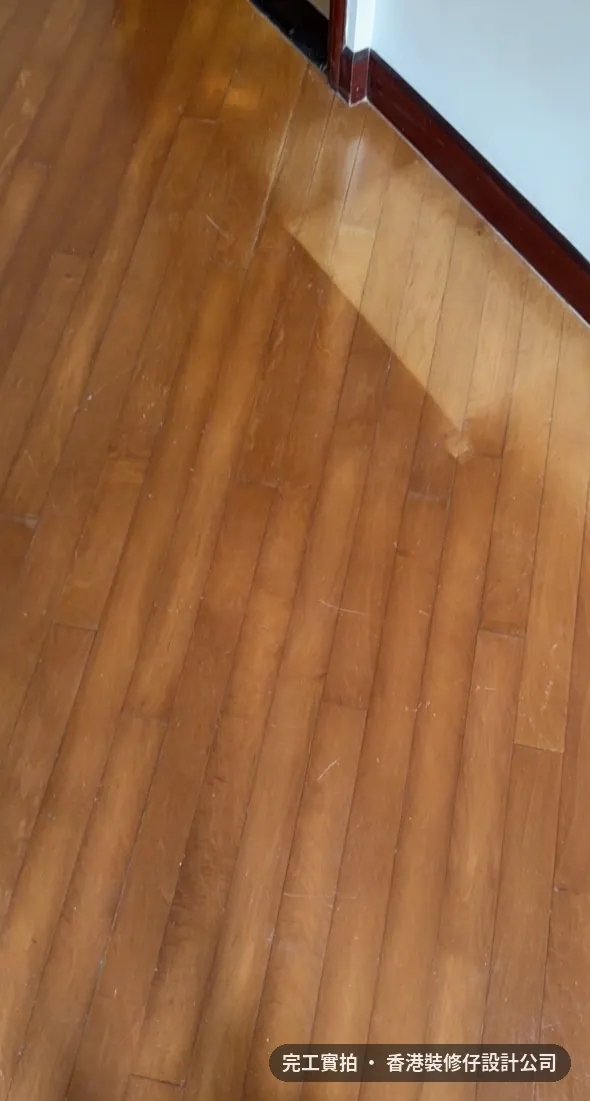
Completed project photosHK Create Design showroom · Flooring · July 2026 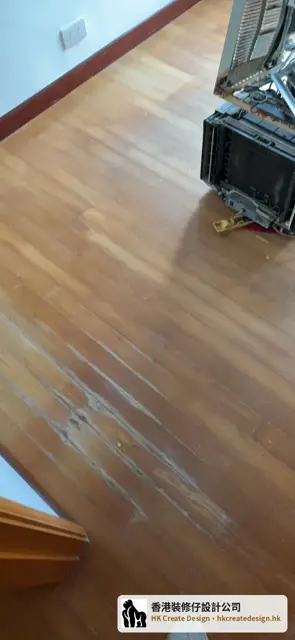
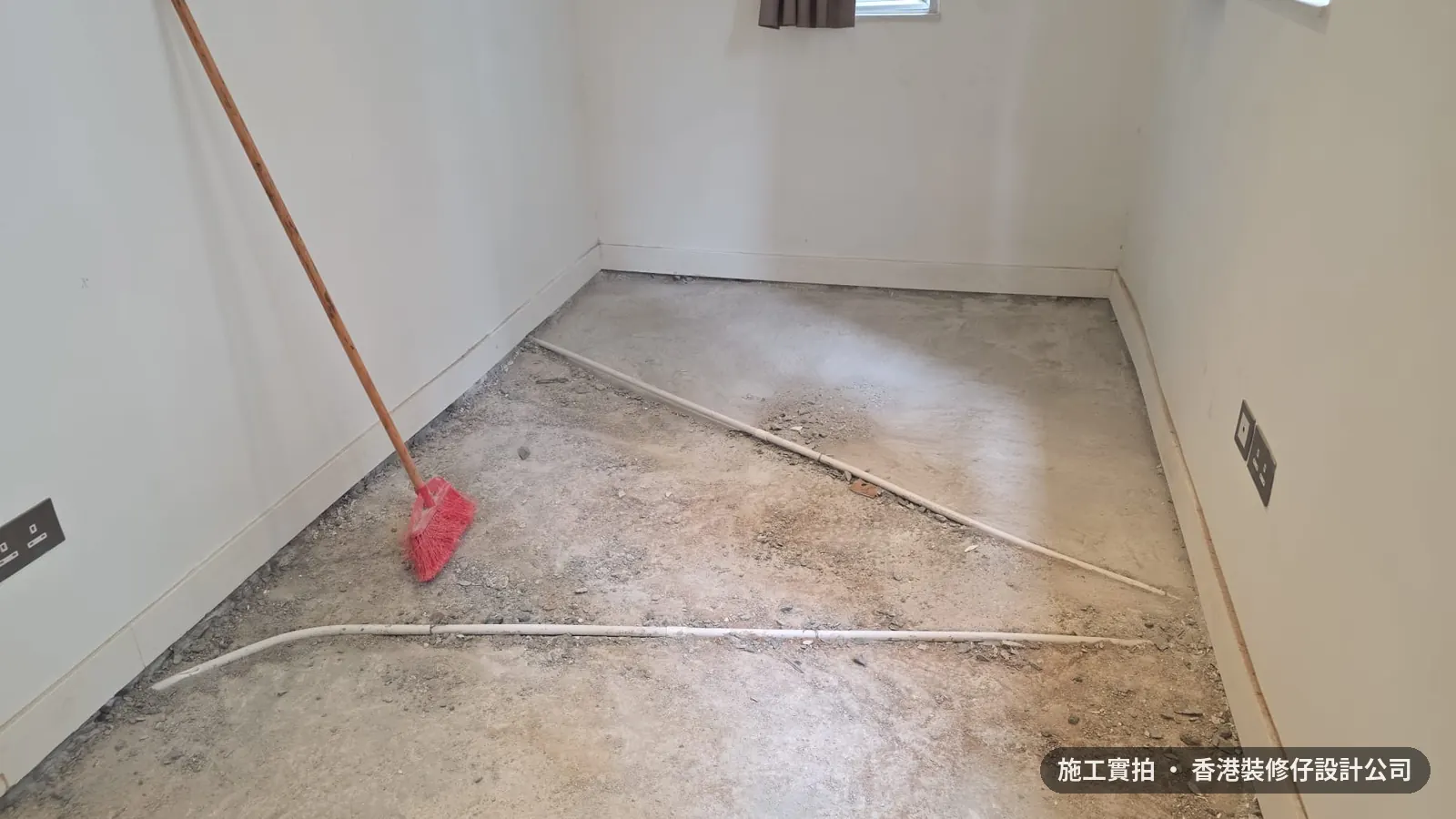
Site photoMount Parker Lodge, Sai Wan Ho · Floor and subfloor work · July 2026 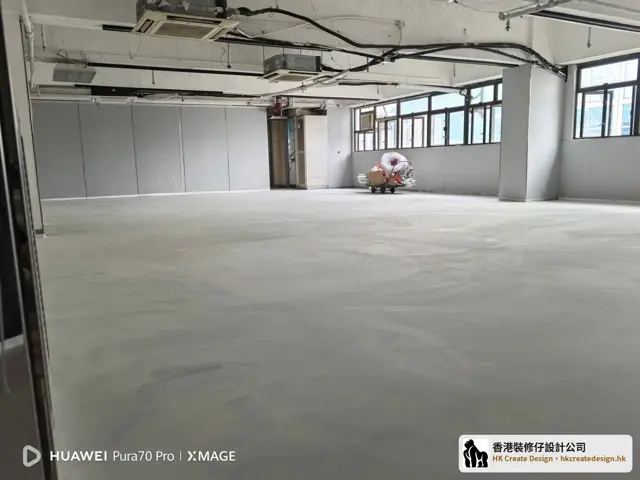
Site photoHK Create Design floor preparation photos 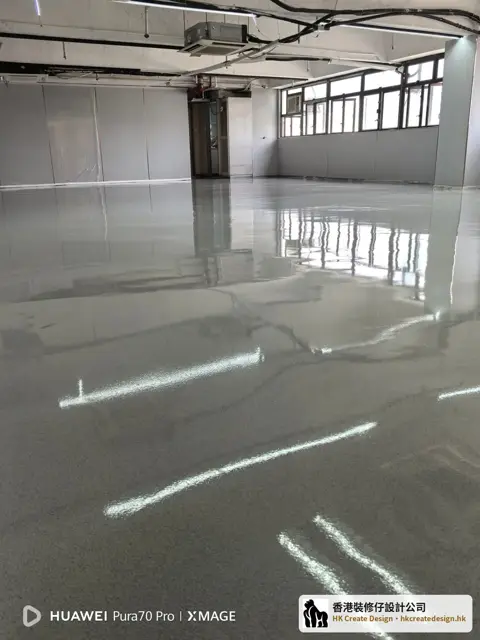
Site photoHK Create Design floor preparation photos 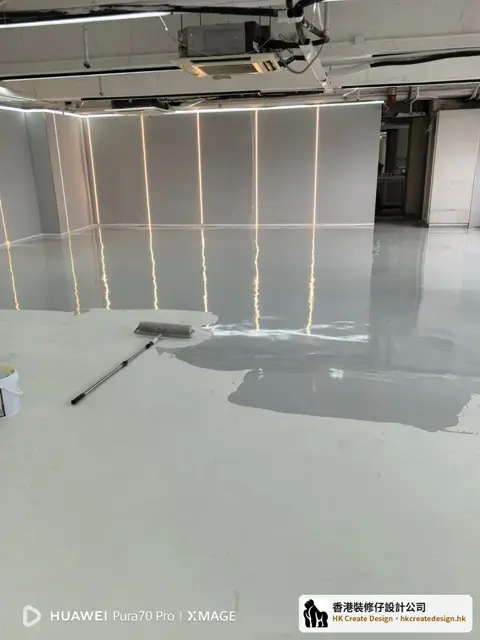
Site photoHK Create Design floor preparation photos
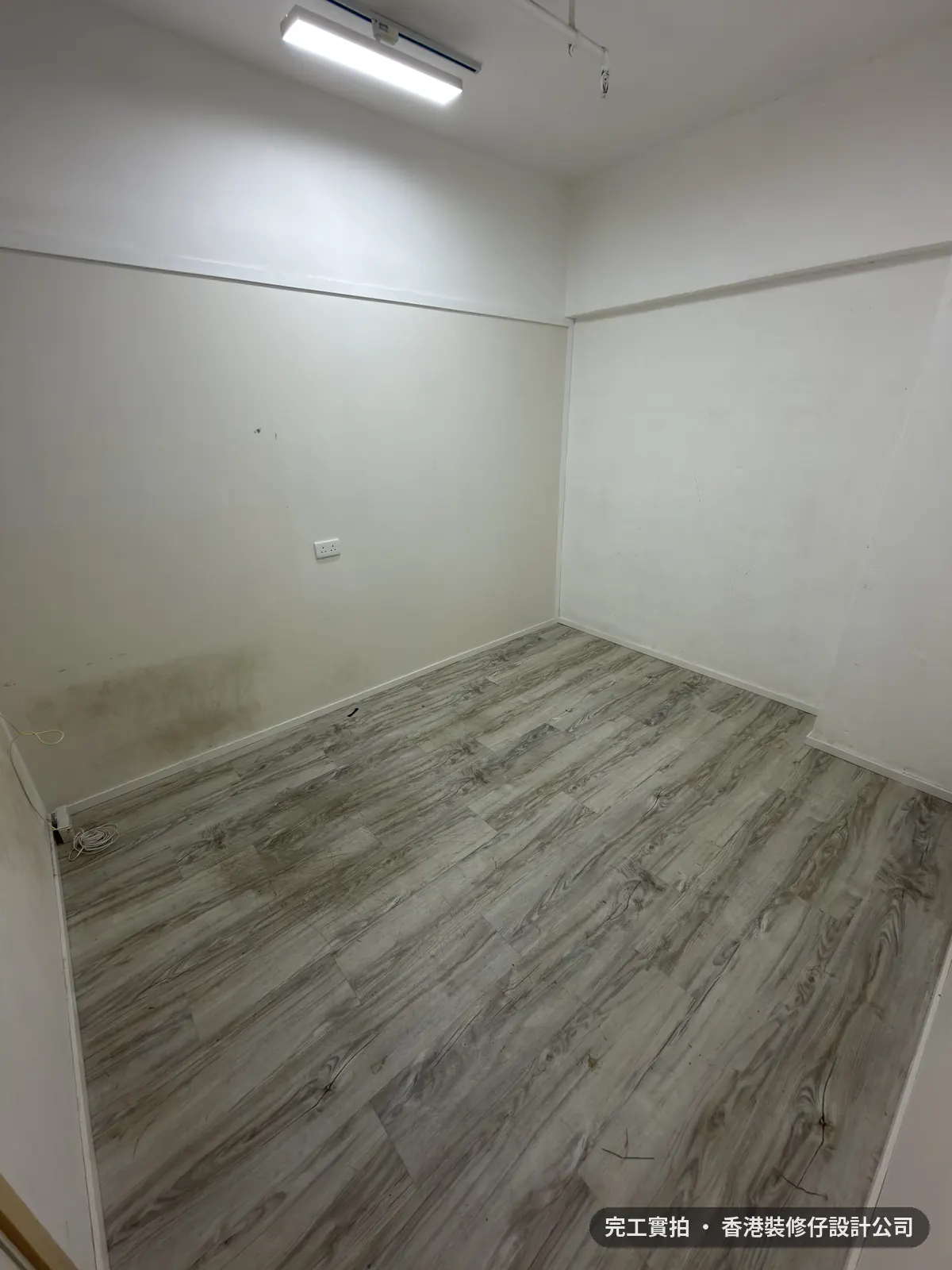
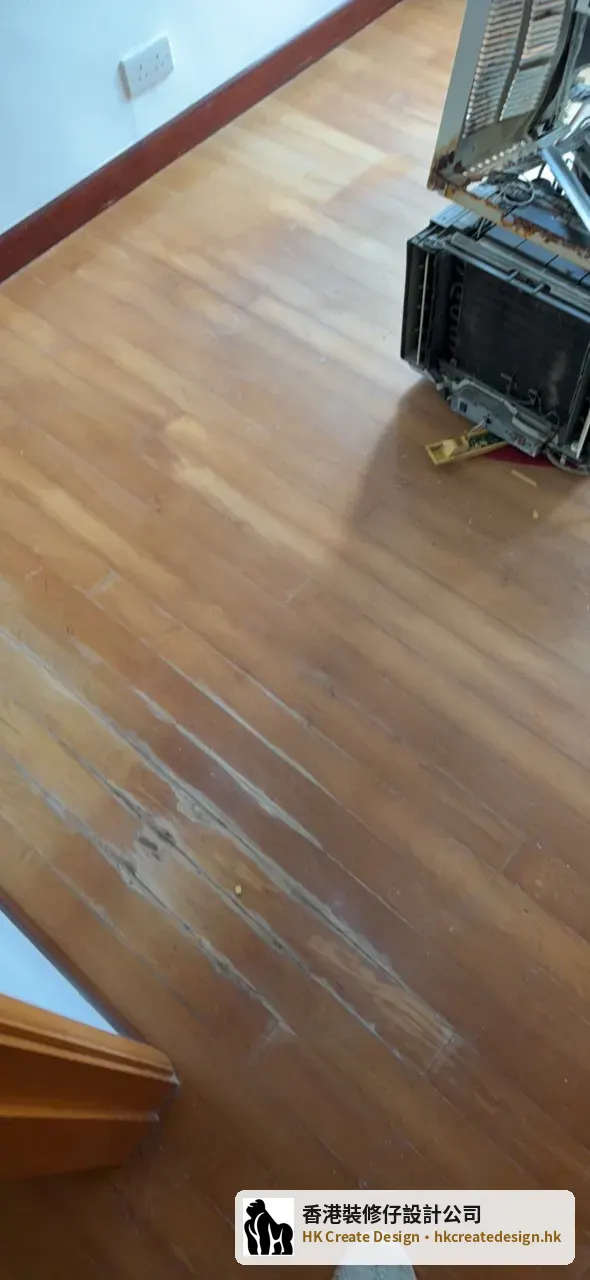
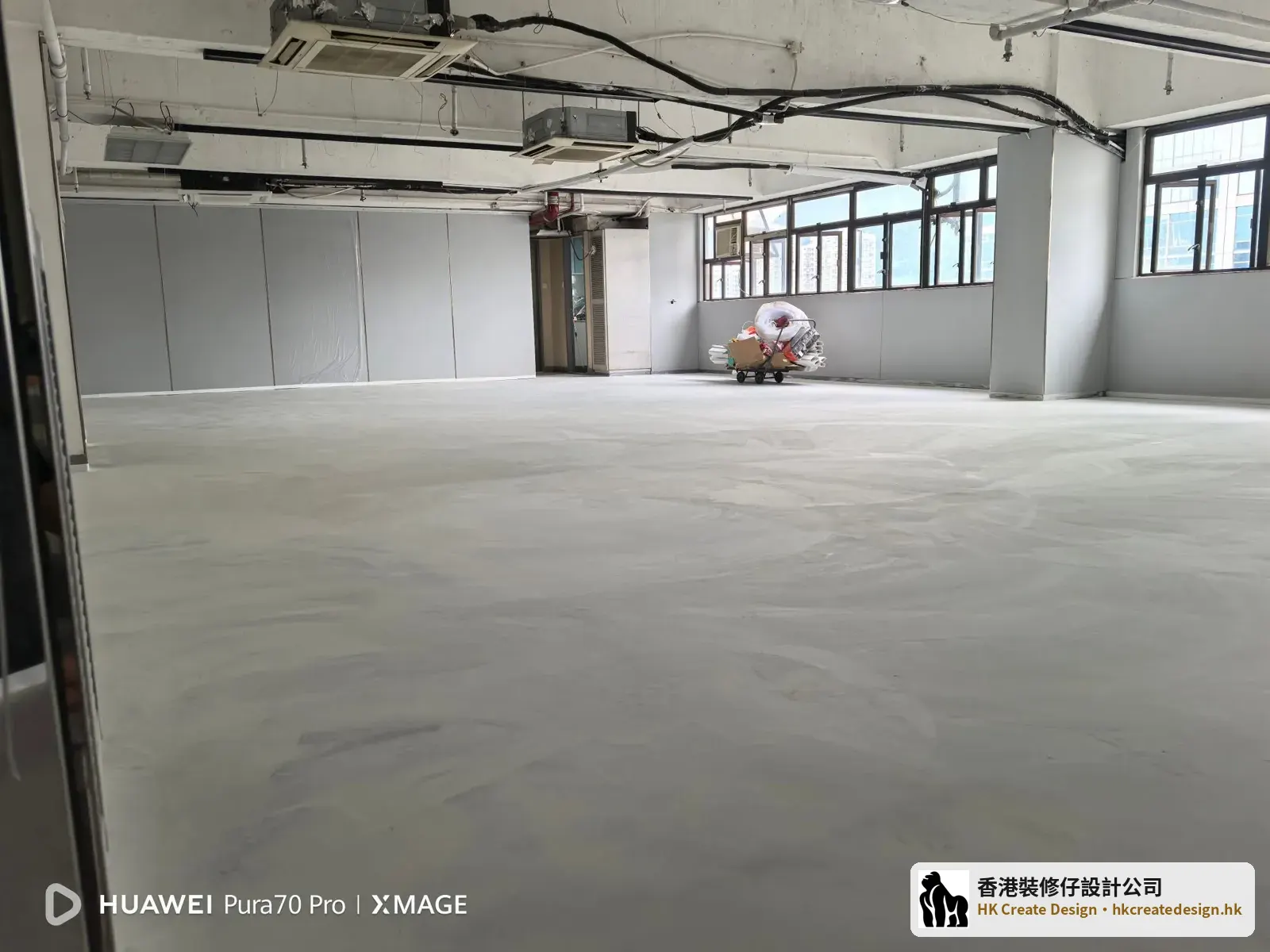
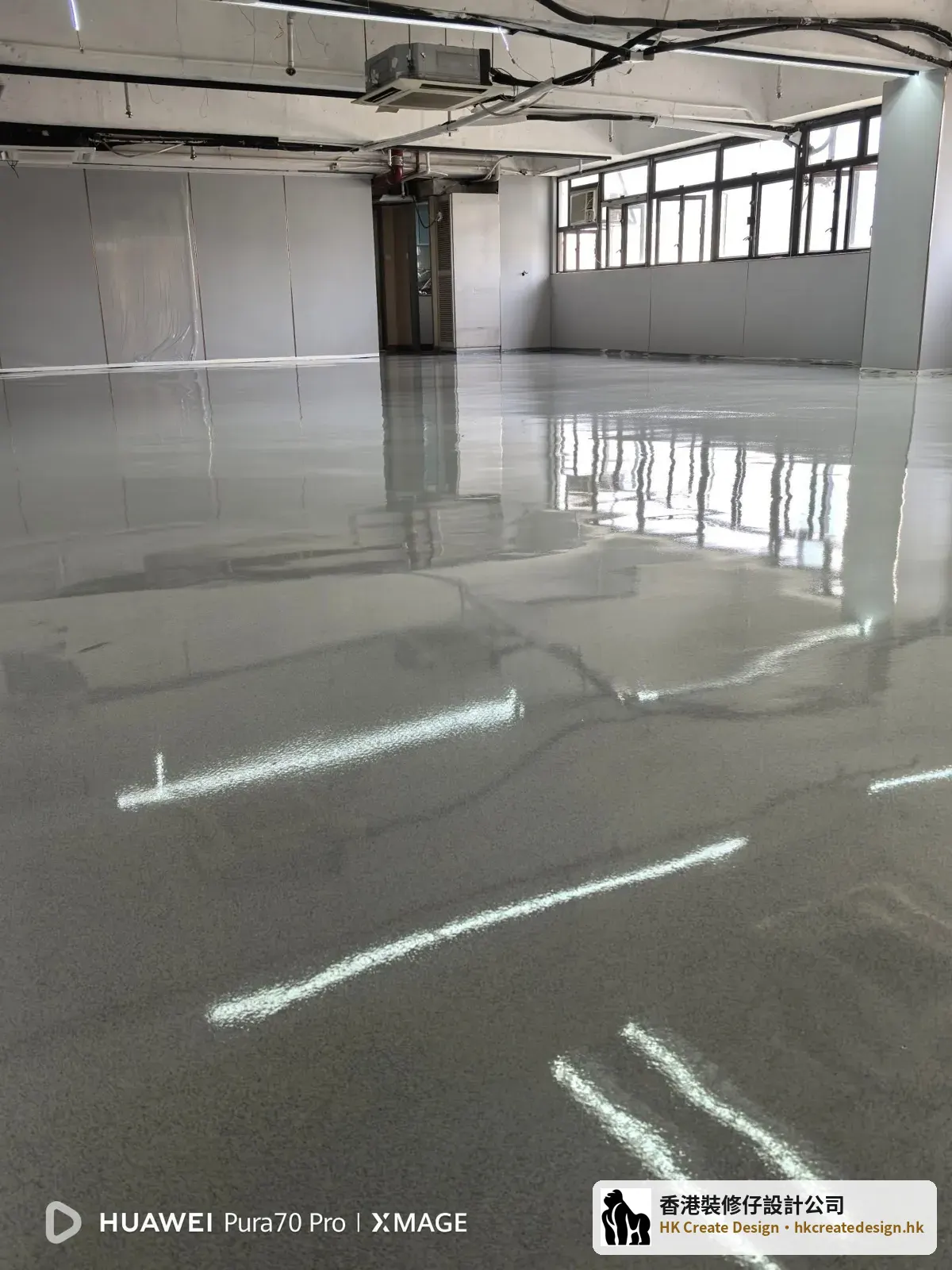
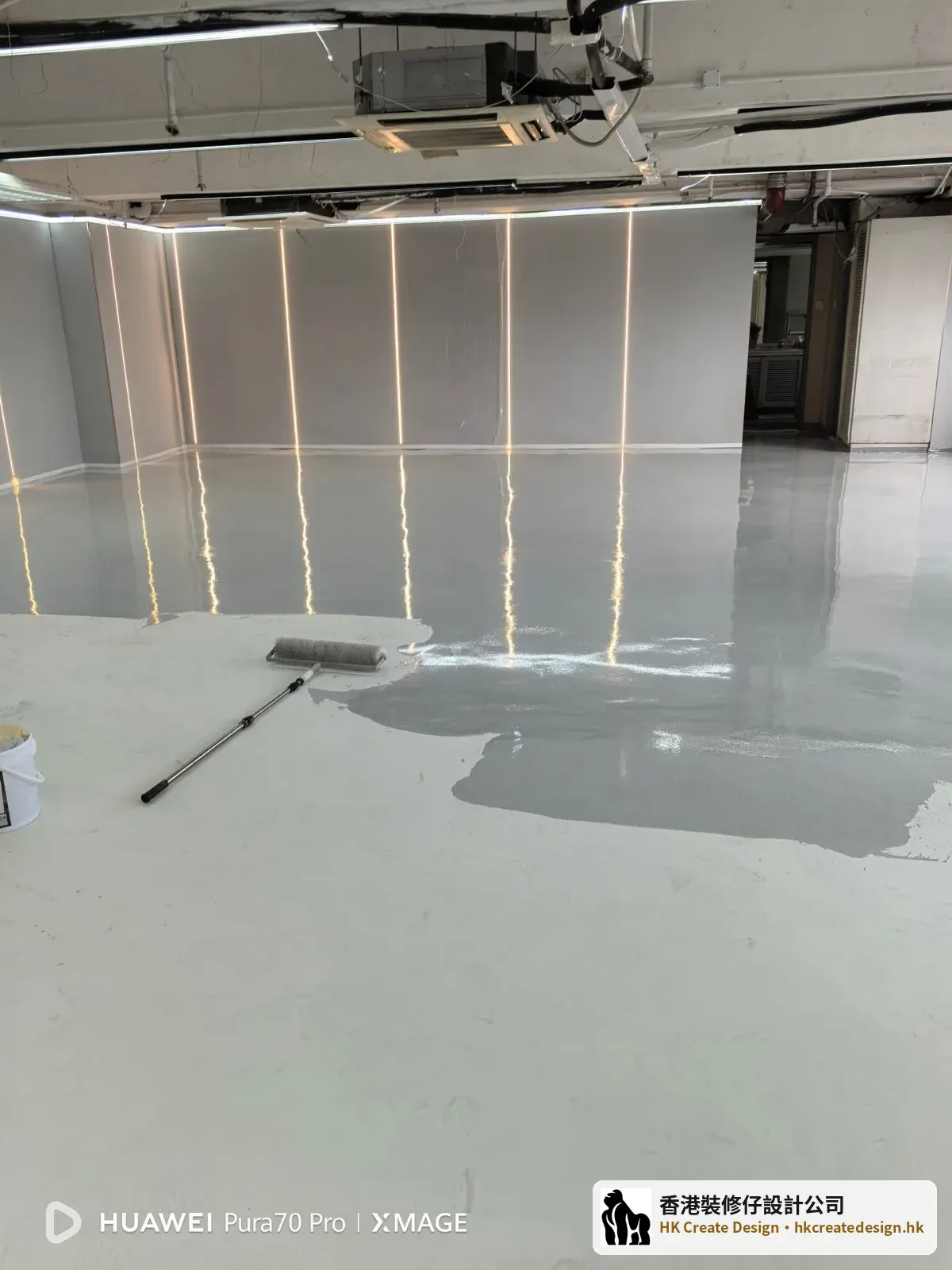
View all 15 imagesFlooring project photos Send photos on WhatsApp for a free quote
02
How do you check the subfloor before laying wood or SPC flooring?
Once you have chosen the flooring, ask the installer to check the following points against its installation guide before deciding between local repairs and whole-room levelling.
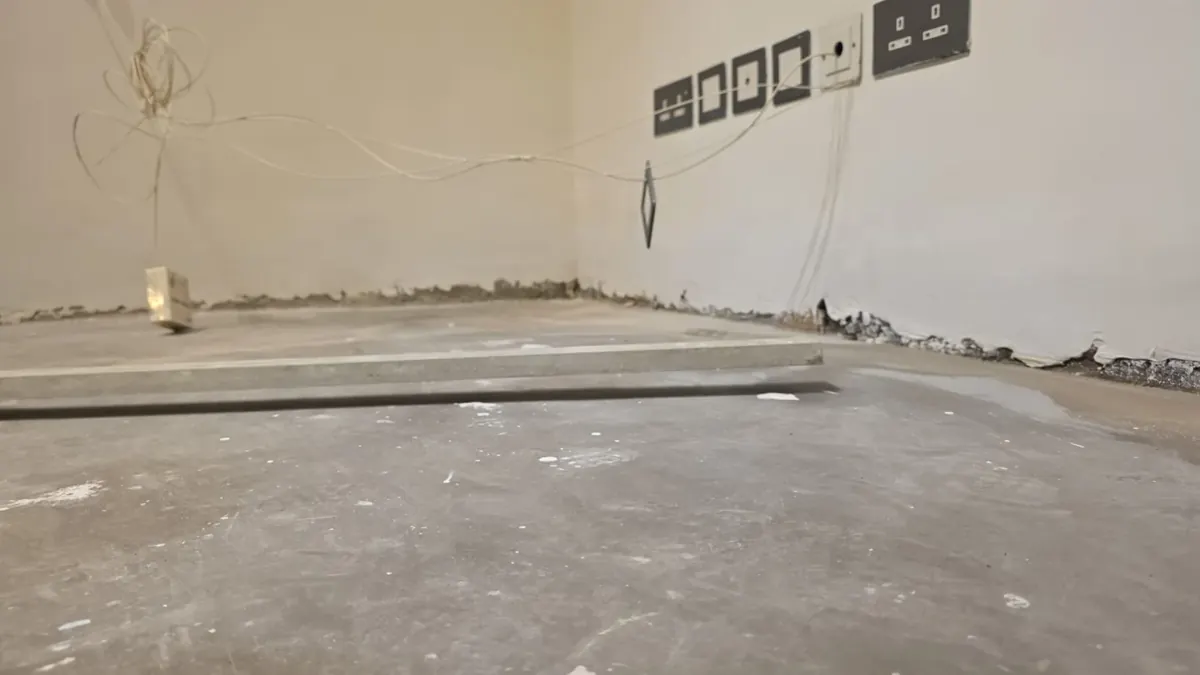
- Measure differences in level Check high spots, hollows and doorway transitions with a straightedge of the length specified by the flooring manufacturer. Compare the results with the permitted tolerance.
- Locate any noise underfoot A hollow in the base can leave the board unsupported. Mark the location and ask the installer to investigate the sound.
- Check support beneath click joints If a click joint lacks support, the board edge can move underfoot. Repeated loading can damage the joint.
- Check for dusting and damp If the surface sheds powder when rubbed, check how sound the underlying layer is. Investigate the source of persistent damp marks before treatment.
03
3. Four stages of applying self-levelling compound
When discussing the work, confirm the levelling product, preparation of the existing base and timing of the inspection before flooring is laid.
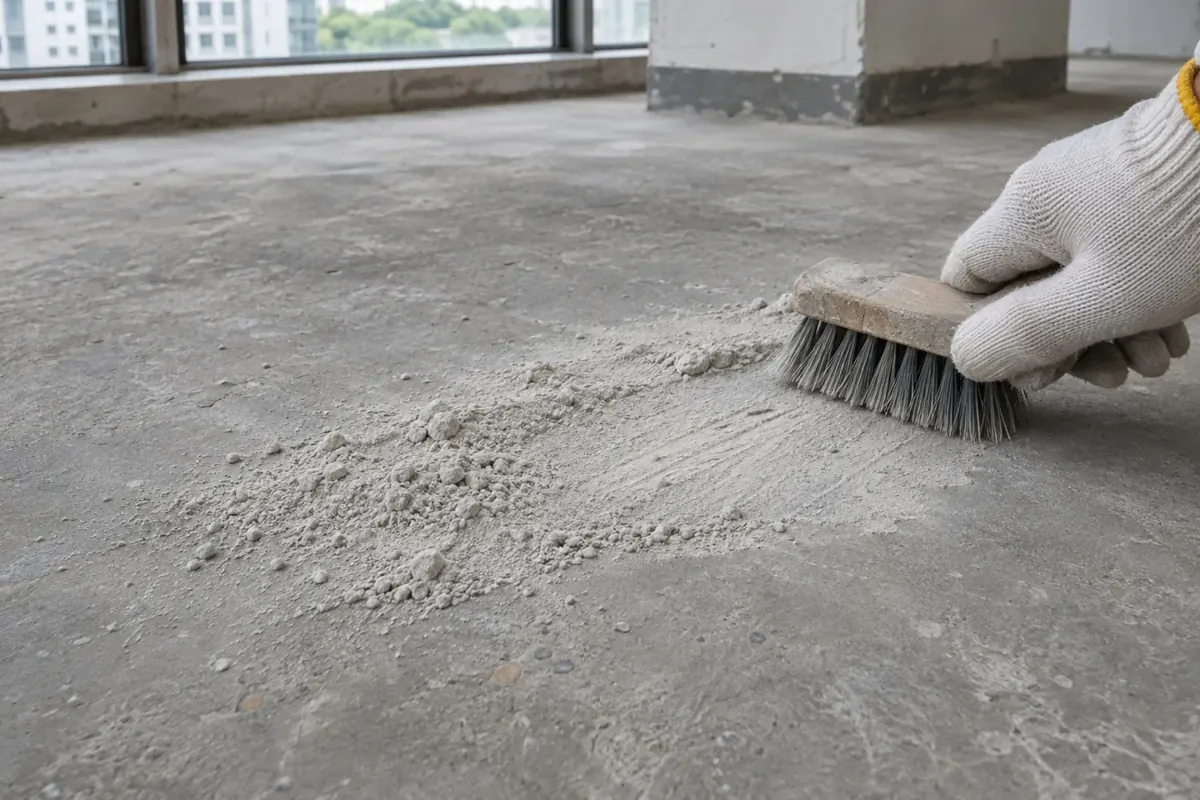
- Cleaning and grinding the substrate: remove dust, oil and loose pieces of cement. Leave the substrate clean and dry.
- Applying bonding primer: prime the cement substrate with the specified bonding primer to seal pores, reduce air bubbles and improve adhesion.
- Mixing with water and pouring: mix the powder thoroughly with the specified amount of water and pour it evenly over the floor.
- De-aeration, curing and inspection before laying flooring Remove air bubbles and cure the compound as instructed. Follow its guidance on foot traffic. Before installing flooring, measure substrate moisture again and confirm it meets the flooring manufacturer's limits.
04
4. Self-levelling compound or traditional cement-and-sand screed
| Compare items | Cement-based self-levelling compound | Levelling with cement-and-sand mortar or floor screed |
|---|---|---|
| Suitable locations | Thin-layer levelling over a sound substrate before flooring installation | Where thicker filling or a fall towards a drain is needed |
| Application thickness | Select a product for the required thickness. For example, OPTIMIX SF818 can be laid at 3–20 mm per application. | Choose according to the mortar specification, finished doorway height and required fall |
| When can the flooring be laid? | Cure the levelling compound as specified, then measure the substrate moisture | Allow the mortar to cure, then inspect it against the floor finish requirements |
| How to inspect the finished work | Measure flatness with a straightedge against the instructions for the chosen flooring | Check the finished height and flatness. Where drainage is required, check the fall too. |
05
Local repairs or whole-room levelling? Three site conditions
Agree which areas need treatment before requesting a quote.
- A level, sound and dry subfloor Once the flooring manufacturer's requirements have been verified, the flooring can be laid directly.
- A few hollows or depressions left by removed tiles Measure the area and depth to assess local repairs first. If several areas exceed the flooring tolerance, compare whole-room levelling.
- Widespread dusting, hollow patches or persistent damp Find any loose areas or source of moisture first. Repair the substrate before choosing a levelling material.
2026 PRICE LIST
2026 screeding and flooring price list
HK$22/ft from
Minimum charge: HK$2,800
Clean and prime the floor, then apply self-levelling compound.
HK$60/ft from
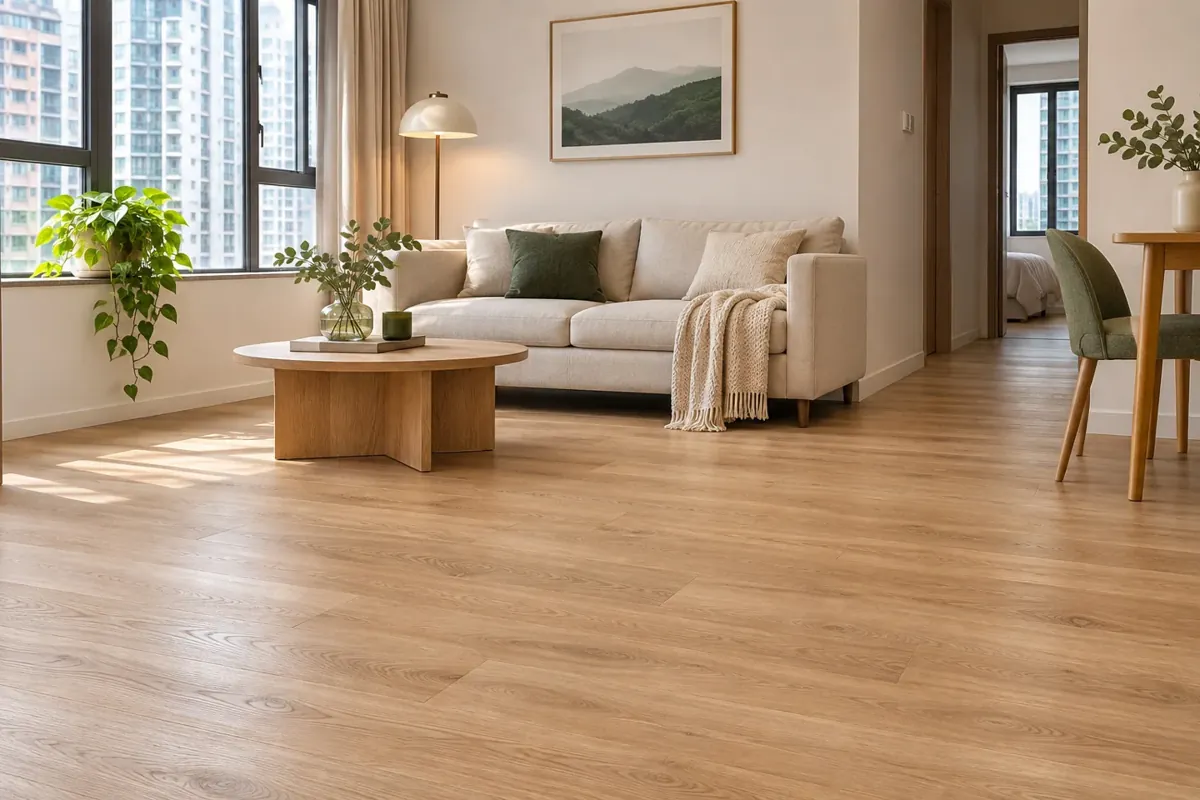
Includes moisture-resistant underlay, click installation and edge trims.
HK$82/ft from
Includes moisture-resistant underlay, click installation and edge trims.
HK$22/ft from
Minimum charge: HK$1,850
Level the floor with cement-sand screed and form falls to the drain in wet areas. Differences over 30 mm are assessed separately.
Rates are from our 2026 price list. Select only the items you need. A process already included in a package is charged once. We confirm final prices in writing after site measurement.Calculate each item
REFERENCES