01
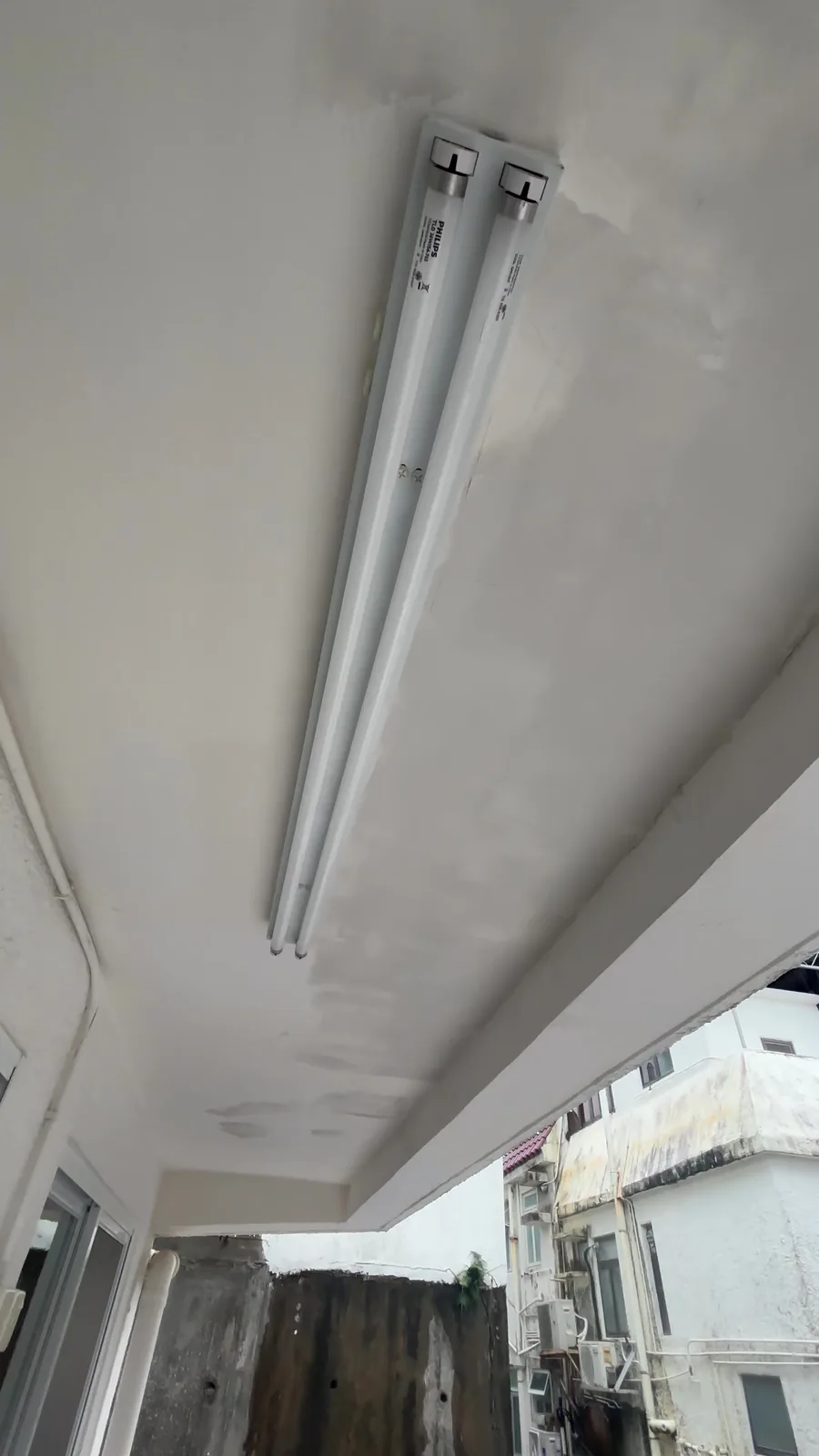
Let me ask a question first: Does the microphone get wet first when it rains?
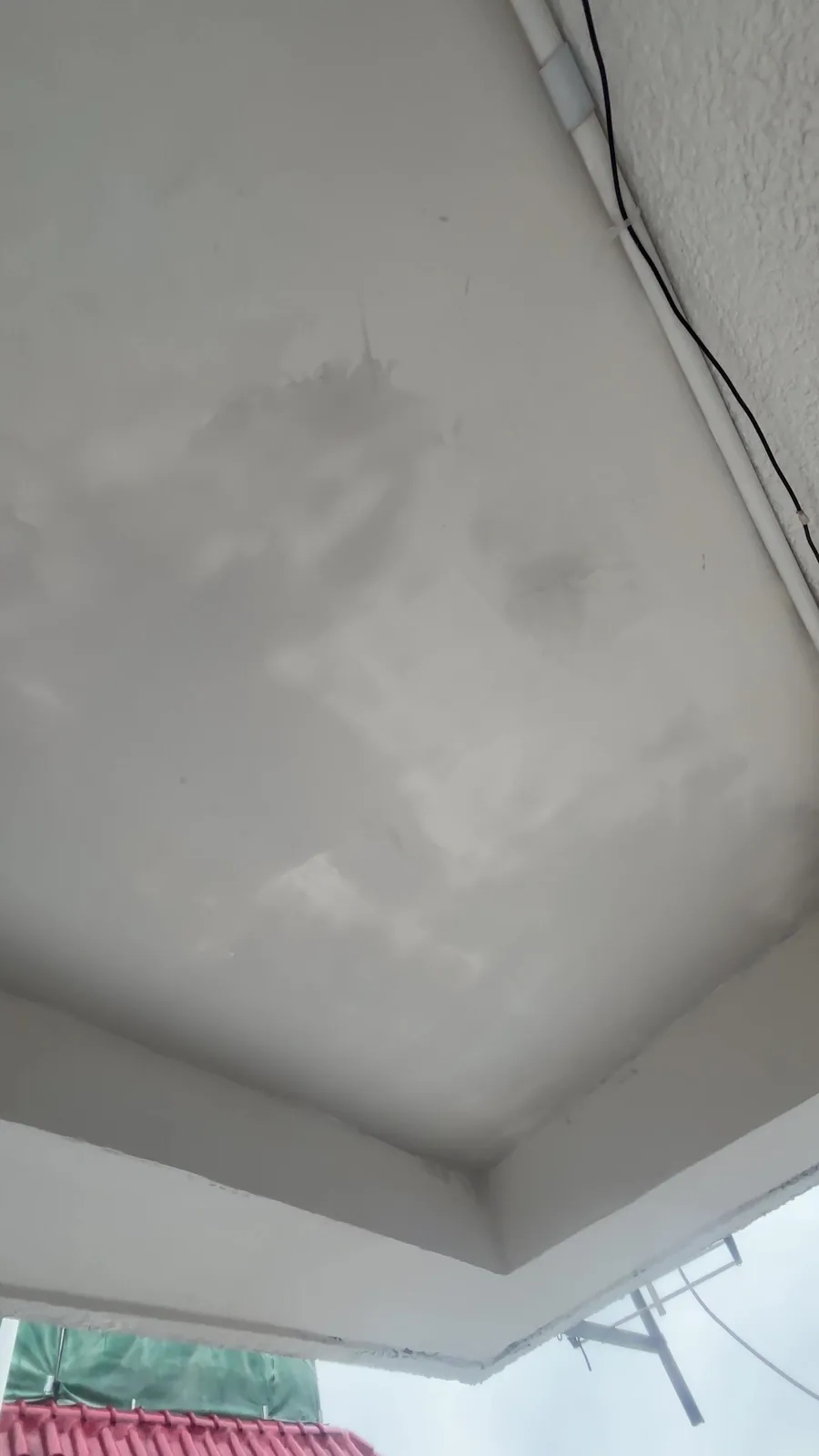
Record the stain before opening the wall. Photograph it when it appears and note the date, weather and extent. Damp after driving rain that dries in fine weather may point to a frame, façade or wall penetration. Persistent or growing damp in dry weather also warrants investigation of supply and waste pipes.
The Buildings Department lists four common causes of water seepage: leaking drain pipes, leaking water supply pipes, improper floor waterproofing or bathtub edge sealing, and rainwater seeping through rooftops, platforms, balconies, exterior walls or windows.[1] The handling methods of these four types of sources are completely different from those of the people in charge, so observation and records are very important.
Simple self-inspections include: turning off the faucets in the house and checking whether the water meter is turning; checking whether the drainage holes in the window frames are clogged; and checking whether there are obvious cracks in the visible areas of the exterior walls. It is not advisable to lean out of the window just to see the exterior wall. High-altitude positions must be left to professionals.
HK Create Design carries out waterproofing and leak repairs. Send photos of water marks and a weather record on WhatsApp for initial advice from the designer and tradesperson, or book a site visit. On-site measurement is free through 31 December 2026 for two or more work items, with no deposit. After that, the HK$500 fee is credited against the order.
- Continuously record water damage photos, dates and weather
- Check the water meter on a sunny day to see if it has changed.
- It is not easy to inspect high-altitude exterior walls by yourself
02
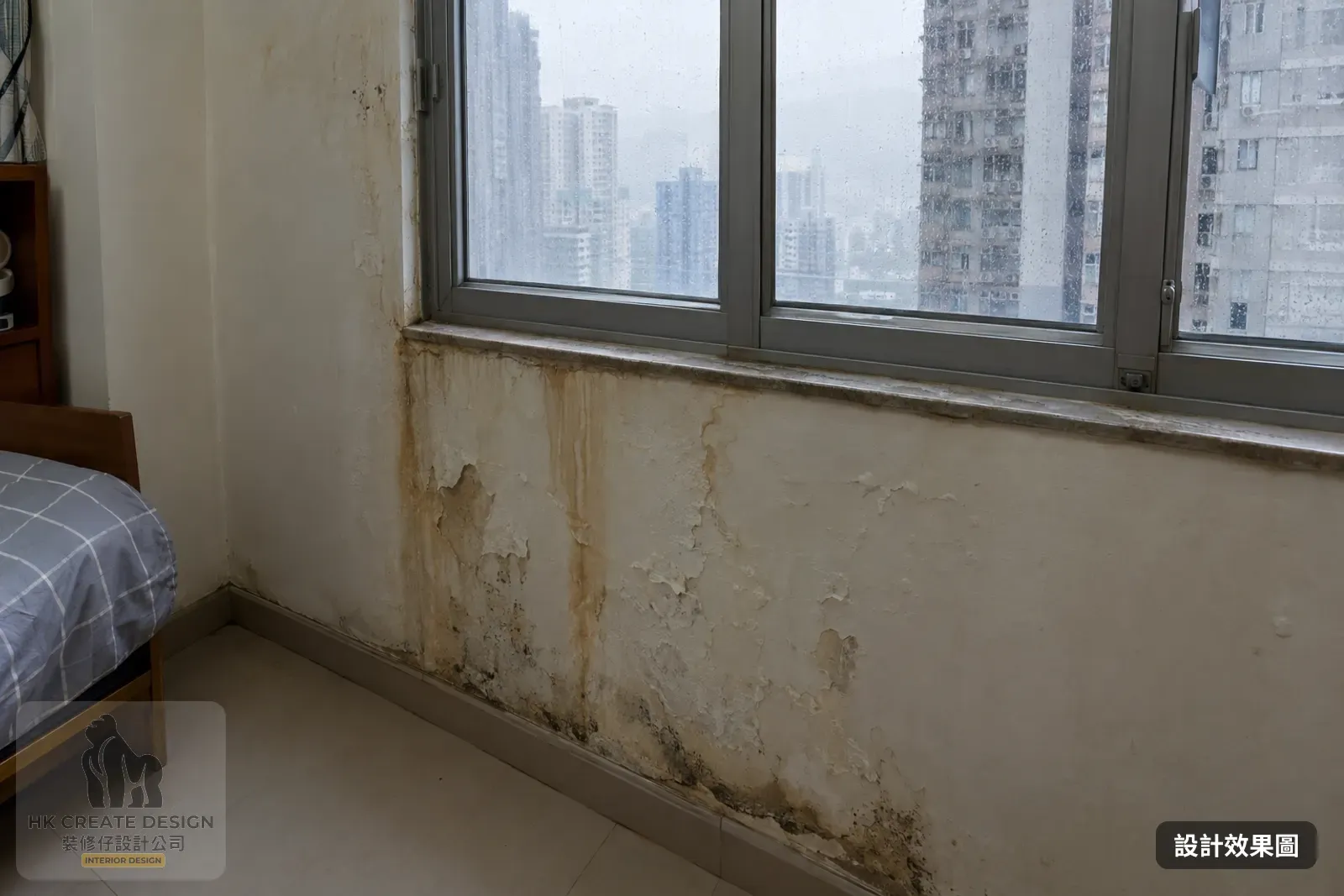
Water leakage from windows: the most common causes
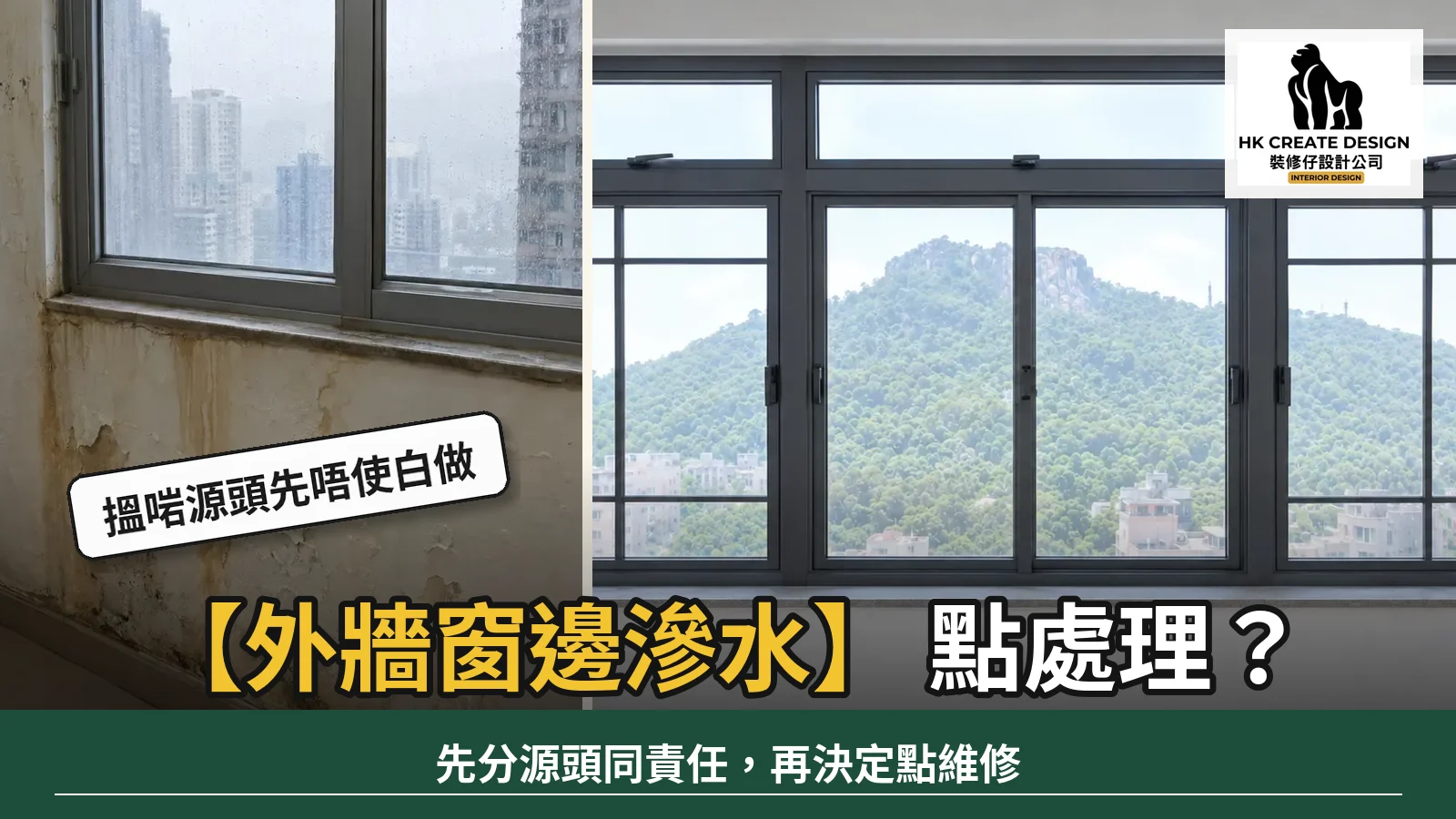
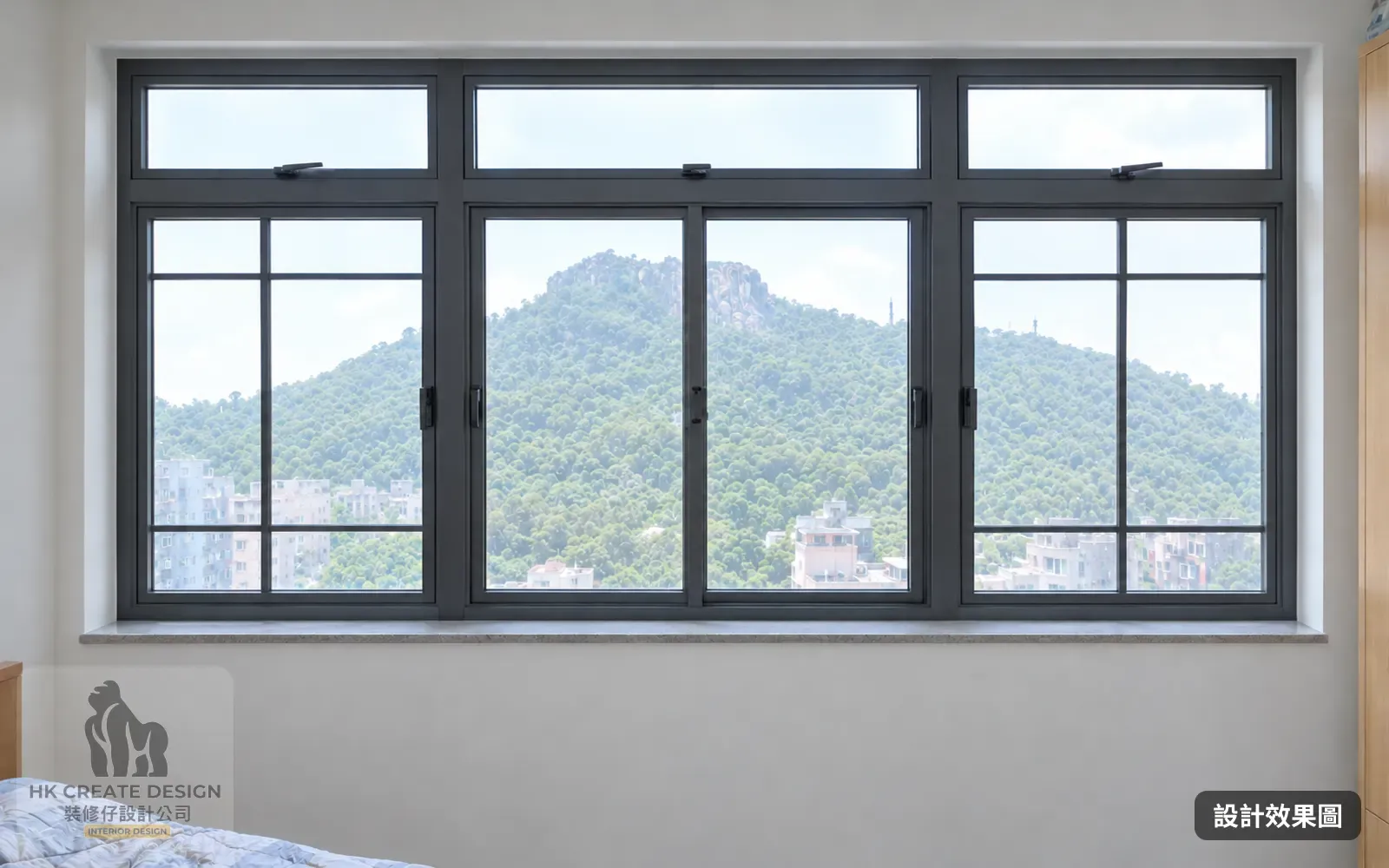
The area around a window is a common point of entry for rain through an external wall.Aluminium windowsThe joint between a frame and wall relies on seals that can shrink, crack or weather over the years. Blocked drainage holes at the bottom of the frame can also let the track fill and water run indoors.
The other is a window sill. If the exterior window sill does not slope outward enough, or if the window sill bricks are cracked, rainwater will accumulate on the window sill and then seep into the wall. Indoors, you will see bubbling on the wall below the window sill. Gaps between marble or bricks on indoor window sills may also allow water to seep in.
Other aspects of window safety also matter. Buildings aged ten years or more may be selected forMandatory window inspection, [5] If the window hinges or sash are loose, it is not just a water seepage problem, but also a risk of objects falling from heights, and should be handled by qualified personnel as soon as possible.
We have another article on aluminum windows that talks about window sash repair and replacement in detail; this article focuses on determining the source of water seepage and the order of indoor and outdoor repairs, both of which can be referenced together.
A window head is an easily missed leak source. If the external drip groove is missing or filled with render, rain can track down the wall to the top of the frame and through its joint. Stains on a curtain pelmet or the wall above the window can then look like a leak from upstairs.
- Check whether the drainage hole in the window frame is clear
- Looking outside, the slope of the window sill is the same as that of the brick joints
- If a window sash is loose, call a qualified person immediately
You can swipe left or right on your phone to view the complete table.
| Water seepage location | Common symptoms | possible source | preliminary observation method | Usually looking for |
|---|---|---|---|---|
| Window frame four sides | Water stains on window corners, water accumulation on windowsills, black mold on plastic edges | The seal between the window frame and the wall is aging, and the window frame drainage hole is plugged | Comparing heavy rain with after rain; the microphone only appears when it is windy and rainy | Aluminum window contractors; qualified persons involved in window structures |
| Wall below window sill | Blistering on the wall, peeling paint, and white salt flowers | Insufficient outer slope of window sill and cracks in exterior wall | Record water damage extent changes with weather | Exterior wall repair contractors |
| Entire exterior wall | Large area of wet printing, discoloration near the ceiling | Exterior walls are corroded or have cracks in paper stone, and exterior wall bricks are hollowed out. | Ask the management office to learn about the condition of the exterior walls and whether other units have similar problems. | Arrangement of consultants by the Corporation/Management Office |
| Air conditioner opening and pipe position | Water marks around the opening or damp below the pipe sleeve | Wall hole sealing failure | The microphone only gets wet when it rains | Air-conditioning installer or decorator |
| wall near bathroom or kitchen | It’s wet even on sunny days and there’s constant water | Water supply pipe or drain pipe leaks, waterproof layer fails | Observation on a sunny day; Mr. Guan turns on the water meter | Plumber; neighbors involved can contact the management office or 1823[1] |
Common causes of water seepage listed by the Buildings Department include drainage pipes, water supply pipes, floor waterproofing or bathtub edge sealing, as well as rainwater seeping through rooftops, exterior walls or windows. [1] The table only provides preliminary identification, and the actual source requires professional inspection. [1]

03
Water seepage in exterior walls: cracks, hollows and exterior wall tiles
Exterior wall plaster, paper stone or exterior wall bricks will expand and contract with heat and cold over the years, causing fine cracks, hollowing and falling off. Rainwater seeps through cracks and spreads inside the wall. The location of water damage seen indoors may not be directly opposite the cracks outside, so it is easy to make mistakes based on indoor location alone.
Large areas of external wall are usually common parts managed by the owners' corporation or all owners according to the deed of mutual covenant. The MandatoryFlat inspection Scheme applies to eligible private buildings aged 30 years or more and covers common parts, external walls and projections.[4] If the building is undergoing building inspection or maintenance, you can report it to the management office and request that the location of the exterior walls of your unit be included in the scope of inspection.
The Buildings Department’s list of designated exempted works includes projects such as external wall plastering, external wall tiles or roof finishes.[6] However, the exemption does not mean that anyone can do it casually. Relevant specifications must be met, and high-altitude exterior wall projects involving the safety of scaffolding or gondolas should be handled by experienced contractors.
If only one of your households is affected, and the exterior wall is a public part, hiring someone to repair the exterior wall on your own may involve issues with the deed of mutual covenant and insurance. It is best to get it handled in writing by the management office first and keep records of the relationship.
- Write a report to the management office with photos
- Learn about building inspection or maintenance plans
- Confirmation of contractor qualifications and safety arrangements for exterior wall projects
04
Other pretended sources of water seepage from exterior walls
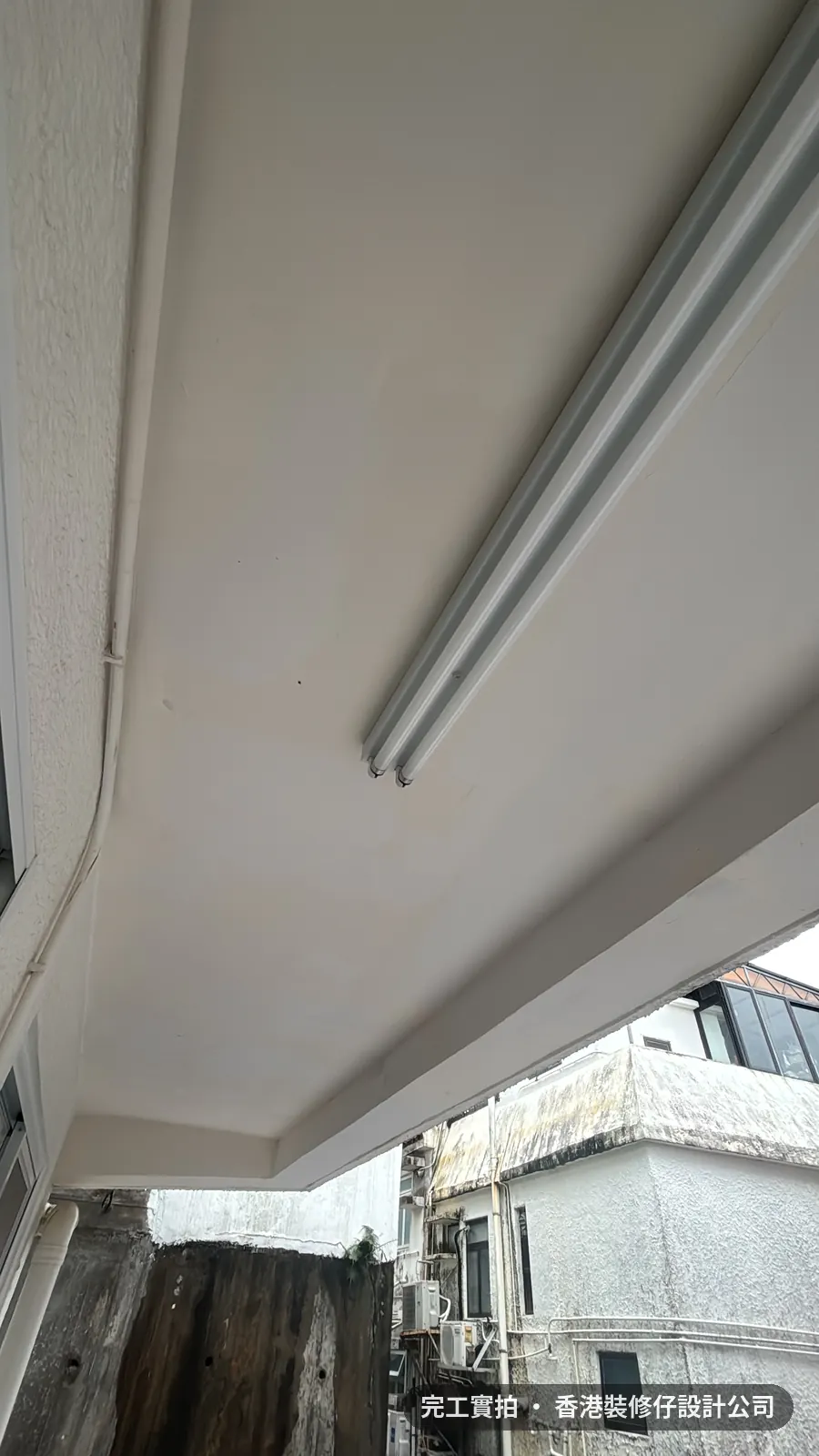
In many cases, it looks like water seeping from the exterior walls, but it actually comes from other sources. The seal of the wall hole of the air conditioner is aging, and rainwater enters the wall along the pipe; the drain outlet of the balcony or platform is blocked, and water seeps in through the threshold; water accumulates on the window sill or planter in the upstairs unit, and seeps into your house through structural joints.
A leak near an exterior wall beside a kitchen or bathroom may come from a concealed water or waste pipe. In 2024 the Joint Office referred 2,200 defective drain cases to the Buildings Department. Cases referred to the Water Supplies Department for suspectedleaking pipescases numbered 1,236,[2] It can be seen that pipe problems are quite common.
If the source is suspected to be in the unit upstairs or in the neighboring unit, the Buildings Department recommends discussing it with the tenant concerned or seeking help from the management company; if the problem cannot be solved, call the Joint Office at 1823 for help.[1] But remember, pure rainwater leakage will generally not be enforced by the Joint Office.[1]
During a survey, we check window edges, AC penetrations, pipe routes and adjoining wet areas to locate the source rather than patching the first visible stain.
- Check the air conditioner holes and hose sleeve seals
- The drain outlets on balconies and platforms must be cleaned
- If you suspect there is water leakage upstairs, please contact the management office first.
05
How to do a preliminary inspection: How to do it without dismantling everything
First, draw a simple floor plan and mark the relative positions of the water stains, air-conditioning vents, and bathroom. Second, in different weather images, the comparison range has been expanded. Third, pay attention to the shape of water stains: spreading downward from the window corner, downward from the ceiling corner, and fixed in a circle in the middle of the wall.
Fourth, if you touch the wall with your hands, it will feel cold and damp; paint bubbling and white powdery salt flowers are all signs that the wall has been containing water for a long time. Fifth, if you have a hygrometer, you can measure it regularly at the same location, but you must understand that household instruments are only for reference.
Professional inspections may include infrared thermography, moisture measurements, water spray testing, and more. The water spray test should be carried out section by section, testing different positions of the window frame from bottom to top, and the range can be accurately narrowed first. When it comes to high-altitude locations on exterior walls, appropriate safety measures must be taken.
These records help the contractor diagnose the issue and support discussions with management, the owners' corporation or neighbours.
- Draw a flat map to indicate the location of water damage
- Repeated images in different weather conditions
- Professional water spray testing should be carried out step by step
Example 1 — pricing indoor repairs after the window leak is resolved
Assumptions
- Assume an aluminium window contractor replaced the frame gasket or seal and no fresh water marks appeared after two successive periods of heavy rain.
- There are mold marks and bubbling on two walls under the bedroom window, requiring local mold removal and heavy oil removal.
- This is a demonstration of the calculation method, not a formal quotation.
How to calculate quantities
- E05 Partial mildew removal with heavy oil: 2 sides × HK$1,250 = HK$2,500.
- If it is changed to plastering the entire surface, assuming the two sides total 80 square feet: 80 × HK$21 = HK$1,680, which is lower than the minimum charge of E02, based on the minimum charge of HK$4,650.
- Compare two options: HK$2,500 for part of the area; HK$4,650 for the entire area.
The initial reference price for partial mildew removal and heavy oil removal is HK$2,500; if the wall is blistered in a large area, the minimum charge for graying and oiling the entire surface is HK$4,650.
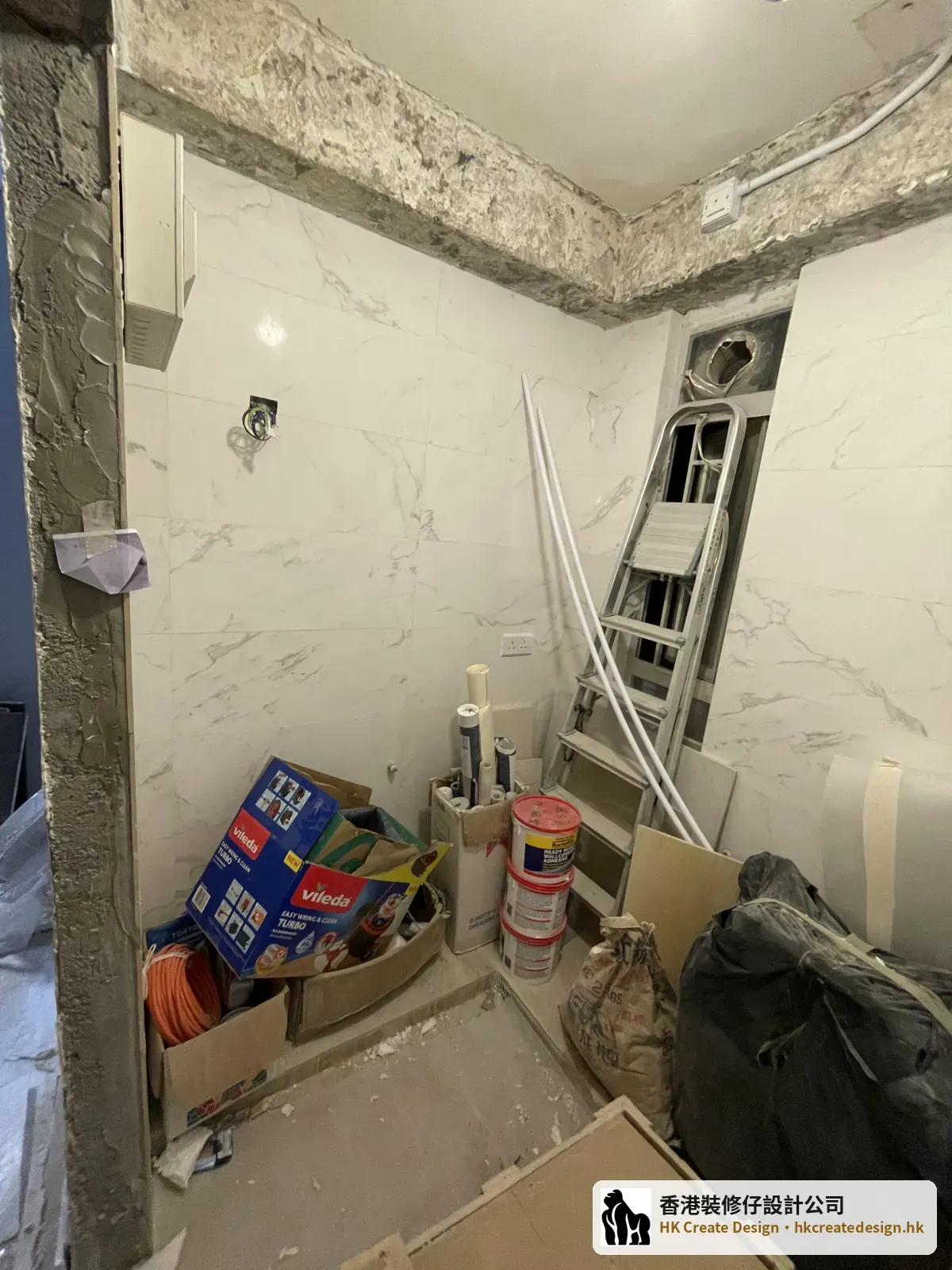
If wall render is loose or persistently wet, it may need stripping back to concrete and rerendering at a different cost. Confirm that the moisture source has been repaired first. (see published rates)
06
Responsibility points: you, the corporation, upstairs
Liability is usually determined based on the building's deed of mutual covenant and the source of water seepage. The Buildings Department pointed out that owners are responsible for maintaining and managing their buildings, including solving water seepage problems. If it is suspected that the source is from an upstairs or adjacent unit, they should discuss it as soon as possible. If necessary, they can hire a construction professional or legal consultant to ask the person responsible to stop the water seepage or even claim compensation according to the deed of mutual covenant.[1]
Generally speaking, the windows of individual units are the responsibility of the unit owners; the exterior walls are common parts and must be repaired by the corporation or management company. However, at the junction between the window frame and the exterior wall, responsibilities sometimes appear unclear. It is recommended to request written confirmation from the management office.
If you are a tenant, you should notify the landlord first, and the landlord and the management office will follow up. Keep the photo and notification record yourself. When furniture or items are damaged, you can find out what is covered by home insurance.
When dealing with liability issues, try to communicate in writing, such as emails or WhatsApp messages with photos, so that future disputes will be recorded.
- Read the deed of mutual covenant to understand the scope of the public part
- Window wall junction requires written confirmation
- Tenant notifies landlord first and keeps records
07
Maintenance sequence: stop water first, then repair
The most common mistake is to complain when you see mold on the wall. The source has not been stopped, and the new paint will bubble again after a few months, which is equivalent to wasting work. The correct sequence should be: find the source, deal with the source, wait for drying, observe one or two heavy rains, and then make indoor repairs.
Window repairs can include clearing drain holes, replacing gaskets, resealing the frame or correcting the external sill fall. External wall sources may require crack repairs, replacement of debonded tiles or a waterproof coating.
Minor indoor mould marks may need only local treatment and repainting once the source is fixed. HK Create Design lists E05 at HK$1,250 per surface. (see published rates) Extensive damage or loose rendering may require stripping, filling or new rendering.
It takes time for the wall to dry, especially during the rainy season. If the paint is sealed too early, the moisture in the wall will not escape and will bubble again; we will recommend a waiting time based on the site conditions.
- After source treatment, observe one to two heavy rains
- Paint the wall before it is dry
- If the scope is large, we should consider re-approving the batch.
You can swipe left or right on your phone to view the complete table.
| Engineering | Who usually belongs to | Regulatory or procedural focus | What owners can do | Company price list reference |
|---|---|---|---|---|
| Maintenance of public parts of exterior walls | Owners' corporation/all owners (according to deed of mutual covenant) | Buildings 30 years old or above may be subject to mandatory building inspection[4] | Provide a written report and photos to the management office | Not applicable |
| Individual unit windows | unit owner | Buildings 10 years old or above may require mandatory window inspection[5] | Arrange inspection, replacement seals or repairs | Quote on site |
| Exterior wall plastering and wall brick repair | Subject to deed of mutual covenant | The exempted projects designated by the Buildings Department include external wall plastering, external wall tiles and other projects, but they must meet the specifications[6] | Understand the scope of the project and whether a suspended gondola scaffold is required | Quote on site |
| Interior wall repair | unit owner | Do it first after source treatment | Remove mildew, dust and grease | E05 HK$1,250/face; E02 HK$21/square foot (minimum HK$4,650) [hkcd-pricelist] |
| Waterproof inside of window sill | unit owner | Match the window closing | Add waterproofing when redoing window sills | C01 HK$39/square foot (minimum HK$2,350) [hkcd-pricelist] |
The division of responsibilities is subject to the building's deed of mutual covenant and actual conditions; the company's price is only a preliminary reference for the public price of HK Create Design 2026. [4][5][6] (see published rates)
08
Indoor waterproofing: the window sill and wall can be reinforced
Indoor waterproofing cannot completely replace the exterior wall, but it can strengthen the defense line on the windowsill and window sides. For example, when redoing a window sill, apply a waterproof coating at the junction between the window sill and the window frame, then lay marble or bricks, and make the closing position slope outward.
The company's C01 SikaTop Seal-107 waterproofing rate is HK$39 per sq ft, minimum HK$2,350. (see published rates) A small window sill often falls below the minimum charge. If there is otherWaterproofing work, combining it in one visit can be more economical.
If the inside of the wall is damp for a long time, you can consider moisture-proof primer, but this only reduces paint bubbling and will not prevent outside water from entering the wall. The real solution still depends on the students on the outer wall.
When we do waterproofing projects, we will take photos and record every step of the process for you to keep.
- Add a waterproof layer when redoing the window sill
- Pay attention to the minimum waterproofing charges, and you can combine the projects at the same time
- Moisture-proof primer does not mean water-stopping
09
Quotation points: exterior walls, windows, and interiors are listed separately
When it comes to water leakage repair quotations, the most fearful words are "fixed" but no scope. A good quote should be listed separately: inspection method, source treatment (such as how many meters to replace the window glue, how many square feet to repair the exterior wall), interior repair (how many walls, how many steps to complete), maintenance period and maintenance scope.
For high-level exterior work, ask about scaffolding or a suspended working platform, third-party and employees' compensation insurance and who applies for management approval. The published L02 insurance charge for a whole-flat project is HK$6,700 per job, (see published rates) as a reference.
Use the AI estimator or 117-item calculator for an initial interior repair allowance. Confirm the price in writing after the site survey.
The maintenance terms should be clear: If water seeps again in the same location, will it be treated free of charge? Are they judged from the same source? These are best written in black and white.
If the leak repair is part of an interior project such asFloor replacementorBespoke wardrobe, schedule work near the leak after its source has been fixed. Wardrobe backs against damp external walls can develop mould or warp. Ventilation space and moisture-resistant detailing can help once the wall is dry and sound.
- Separate source treatment from indoor repair
- Ask about the insurance and approval of high-altitude engineering projects
- The maintenance terms specify the treatment of water seepage points.
10
Acceptance: Check it out and you will know it is really repaired
The acceptance of water leakage repairs must pass the test of time and weather. After the project is completed, it is recommended to go through at least one or two heavy rains before checking the windows and walls to confirm that there are no new water stains, and then do the final painting or finishing work first.
You can stick a piece of paper near the repair site or lightly mark the area with a pencil, and compare the shadows after each heavy rain. The drainage holes in the window frames should be cleaned regularly, and the adhesive edges are not permanent and should be inspected approximately every few years.
After every order is completed, we will remove the trash, sweep the area, and do basic cleaning. If the wall has been moldy on a large scale and needs deep cleaning, we can have a professional cleaning company follow up.
If you have any water seepage problems on exterior walls or windows, welcome to WhatsApp 5243 7747 for free consultation. Designers and masters with more than 15 years of experience will discuss solutions with you.
- Check the first ending number after heavy rain
- Mark repair areas for easy comparison
- Clean window frame drainage holes regularly
Example 2 — using rainfall averages to plan inspection and repairs
Assumptions
- Using the observatory's average monthly rainfall from 1991-2020. [3]
- Assume an owner notices water coming in beside a window in October and wants to arrange repairs.
How to calculate quantities
- May to September total: 290.6 + 491.5 + 385.8 + 453.2 + 321.4 = 1,942.5mm.
- 1,942.5 ÷ 2,431.2 = approximately 79.9%.
- Average rainfall falls to 120.3mm in October, 39.3mm in November and 28.8mm in December.
About four fifths of average annual rainfall occurs from May to September. The typically drier period from October into early spring can be a better time to schedule external wall or window work before the rains.
Average rainfall does not represent the actual weather in a certain year; construction still needs to be determined based on weather forecast, scaffolding or gondola arrangements, and approval from the management office. [3]
11
Before and after wind and rain: Daily prevention that homeowners can do
Water seepage near exterior walls often does not occur in one day, but is a gradual accumulation of small problems. Before the rainy season each year, you can do a few simple preventive tasks: clean the dust in the bottom grooves of the window frames and drainage holes, check whether the window glue edges are cracked or blackened and peeling off, check whether there are new cracks on the window sill and around the air conditioner hole, and confirm that there are no leaf litter on the terrace and platform drains.
Before blowing the wind, close all windows and fasten the window locks. Loose window sashes must be dealt with in advance. If you see water entering the window during wind and rain, first use a towel to absorb the water and move nearby electrical appliances and furniture. It is not recommended to open the window when there is strong wind and try to deal with it. After it rains, take photos to record the location of the water. This information will be very useful in determining the source later.
Indoors, it is best not to place wardrobes and bookcases against the exterior wall completely against the wall, leaving some gaps for ventilation. Use a dehumidifier during the rainy season to keep the indoor humidity from being too high to reduce the growth of mold. But remember, dehumidification and ventilation only reduce the consequences, not the source.
If the same spot gets wet every year, investigate it early. A seal, joint or local repair may be all that is needed, but ifwall rendering starts to loosen or timber cabinets develop mould, the repair scope and costs can increase substantially.
- Clean window slots and drainage holes before the rainy season
- Fasten the window lock before blowing the wind
- Leave ventilation gaps between exterior wall furniture
12
Common misunderstandings
A new building can still develop a window leak. A first-hand buyer can report defects in writing to the developer under the applicable sale agreement, normally within six months of completion.[7]A surface bead of silicone may only give temporary relief if water is entering through a damaged wall or backing up inside the frame. Covering the joint can also make diagnosis harder.
The Buildings Department explains that rainwater seepage normally does not constitute a statutory nuisance for Joint Office enforcement.[1] Individual windows are usually the flat owner's responsibility. Building owners also have maintenance duties for the building, subject to the deed and the area concerned.[1]
Lower rainfall from October into early spring can make it tempting to postpone repairs, but[3] The drier months can provide time to complete repairs before wet weather returns in May.
Understanding these misunderstandings can help you avoid spending money on the wrong process.
- It’s not good to just rely on surface gluing
- Understand the scope of processing of the Joint Office
- Make use of the dry season to schedule projects
FAQ
7 practical questions answered
01Can I contact the Liaison Office if there is water seepage in the exterior wall?
Generally, leakage caused by rainwater passing through external walls or windows does not constitute a public health nuisance under normal circumstances. The Joint Office will not enforce the law and will advise the corporation to inspect and repair it, and refer it to the Buildings Department if necessary.[1]
02Do points based on rainwater determine the leakage of water pipes?
It's just that it gets wet first when it rains and dries out on sunny days. Most of it is related to rain. If it gets wet or gets worse on sunny days, you need to check and remove the water supply pipe first. Common causes listed by the Buildings Department include two types of pipes and rainwater.[1]
03Who should be responsible for exterior wall repairs?
The exterior walls are usually common parts and are arranged by the corporation or management company according to the deed of mutual covenant; the windows of individual units usually belong to the owners. Buildings that are 30 years old or older may undergo mandatory building inspections.[4]
04When is the best time to do exterior wall or window work?
The Observatory's averages put about four fifths of annual rainfall in May to September,[3] Consider the drier period from October into the following spring and aim to finish before the wet season.
05After the source is repaired, how long will it take for the oil to be oily?
To wait for the wall to dry out, it is best to go through one or two heavy rains to confirm that there is no further seepage. If you paint too early, the water in the wall will not be able to escape and it will bubble again.
06How much does interior repair cost?
E05 local mould treatment and repainting costs HK$1,250 per surface. E02 local filling, moisture-resistant primer, sanding and repainting costs HK$21 per sq ft, minimum HK$4,650. The site survey and written quotation confirm the final price. (see published rates)
07Do you know how to do exterior wall water seepage?
We provide window perimeter waterproofing, interior repairs and coordination of leak inspections. For external walls in shared areas, contact the building manager or owners' corporation. WhatsApp 5243 7747 for a free consultation or book a visit. On-site measurement is free through 31 December 2026 for two or more work items, with no deposit. After that, the HK$500 fee is credited against the order.
CHECK THE BASIS
Data and technical basis, sources can be verified
- [1]Buildings Department: Frequently Asked Questions on Water Seepage Problems Accessed: 2026-11-01
- [2]Hong Kong Government press release, 2 July 2025 — Legislative Council Question 15 on the Joint Office for Investigation of Water Seepage Complaints Accessed: 2026-11-01
- [3]Hong Kong Observatory: Monthly averages of meteorological elements in Hong Kong (1991-2020) Accessed: 2026-11-01
- [4]Buildings Department: Mandatory Building Inspection Scheme Accessed: 2026-11-01
- [5]Development Bureau — Legislative Council Question 1 on the Mandatory Building Inspection Scheme Accessed: 2026-11-01
- [6]Buildings Department: Designated exempted projects Accessed: 2026-11-01
- [7]First-hand Residential Properties Sales Authority: Found any defects after taking possession of the property? what to do? Accessed: 2026-11-01
- PricesHK Create Design 2026 detailed project budget and public price list Accessed: 2026-11-01