01
The first day of house resumption: record it first, don’t demolish it right away
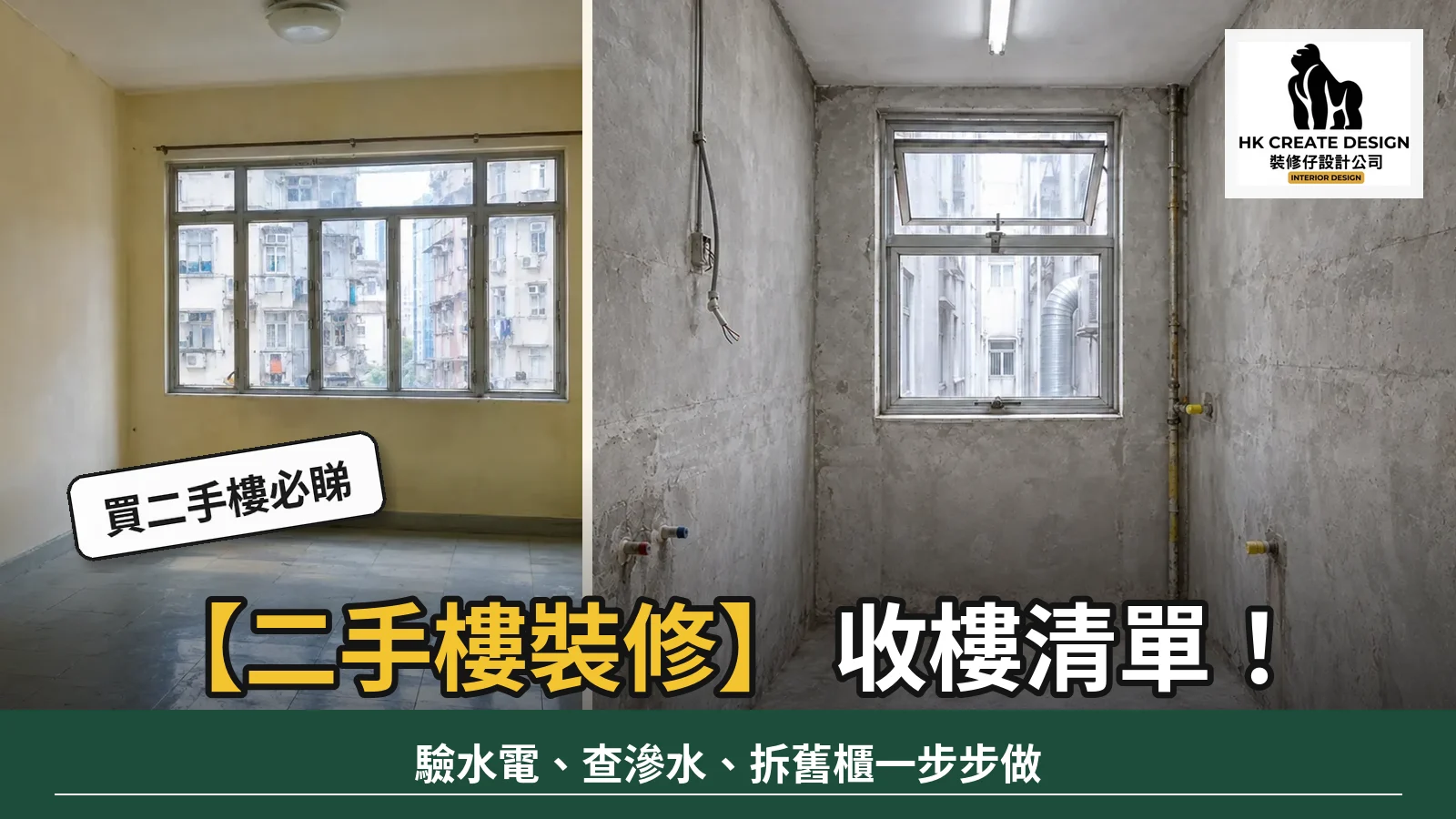
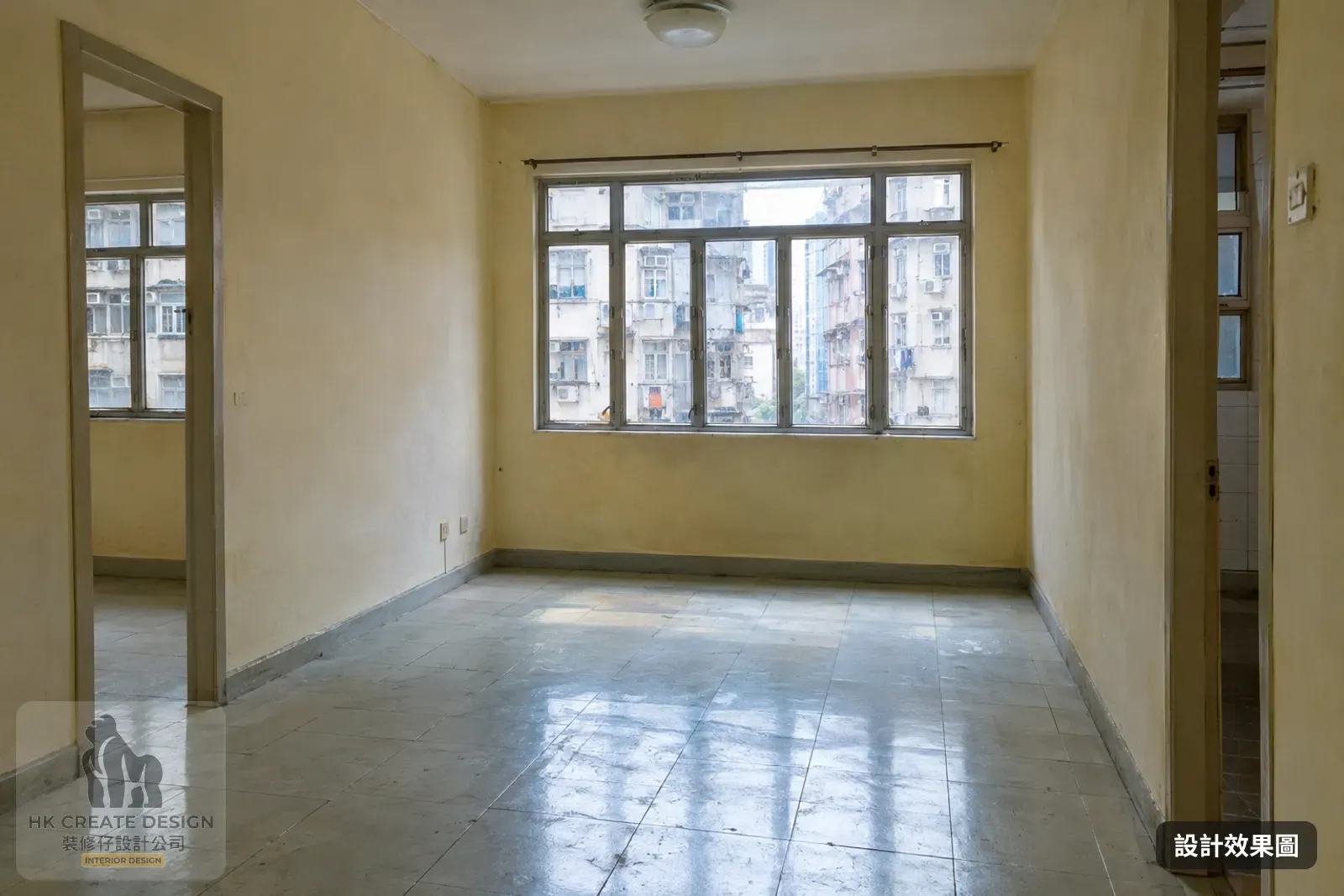
On handover day, document the condition room by room with photos and video. Include ceilings, wall corners, window surrounds and beneath kitchen and bathroom cabinets. These records can help you discuss issues withRenovation tradespeopleand provide a record for discussions with the previous owner or neighbours above and below.
Check the readings of the electricity meter, water meter and gas meter, and contact the electricity, water and gas companies to change the name. Many second-hand buildings have been vacant for a period of time, and there may be rusty water in the water pipes. You can turn on the faucet and run the water for a few minutes to check the water color and pressure.
Before stripping anything at handover, arrange a site visit so the contractor can inspect the original layout, pipe positions and wiring routes. Some faults are easier to assess before the existing fabric is removed.
We can arrange a tradesperson's site assessment. On-site measurement is free through 31 December 2026 for two or more work items, with no deposit. After that, the HK$500 fee is credited against the order. We discuss risks and recommendations for each area during the visit. Send photos to WhatsApp 5243 7747 for a free initial consultation beforehand.
If the previous owner left behind electrical appliances or furniture, when taking over the property, you must confirm each item included in the sales contract, its condition, and whether it has been maintained. Unnecessary items can be disposed of together during the disassembly stage, but you must discuss them with the renovation company in advance and include them in the removal volume.
- Take room-by-room photos to record the current situation
- Copy low water, electricity and gas meter readings and change names
- Turn on the water and check the water color and pressure
02
Electrical inspection: the most overlooked risk in old buildings
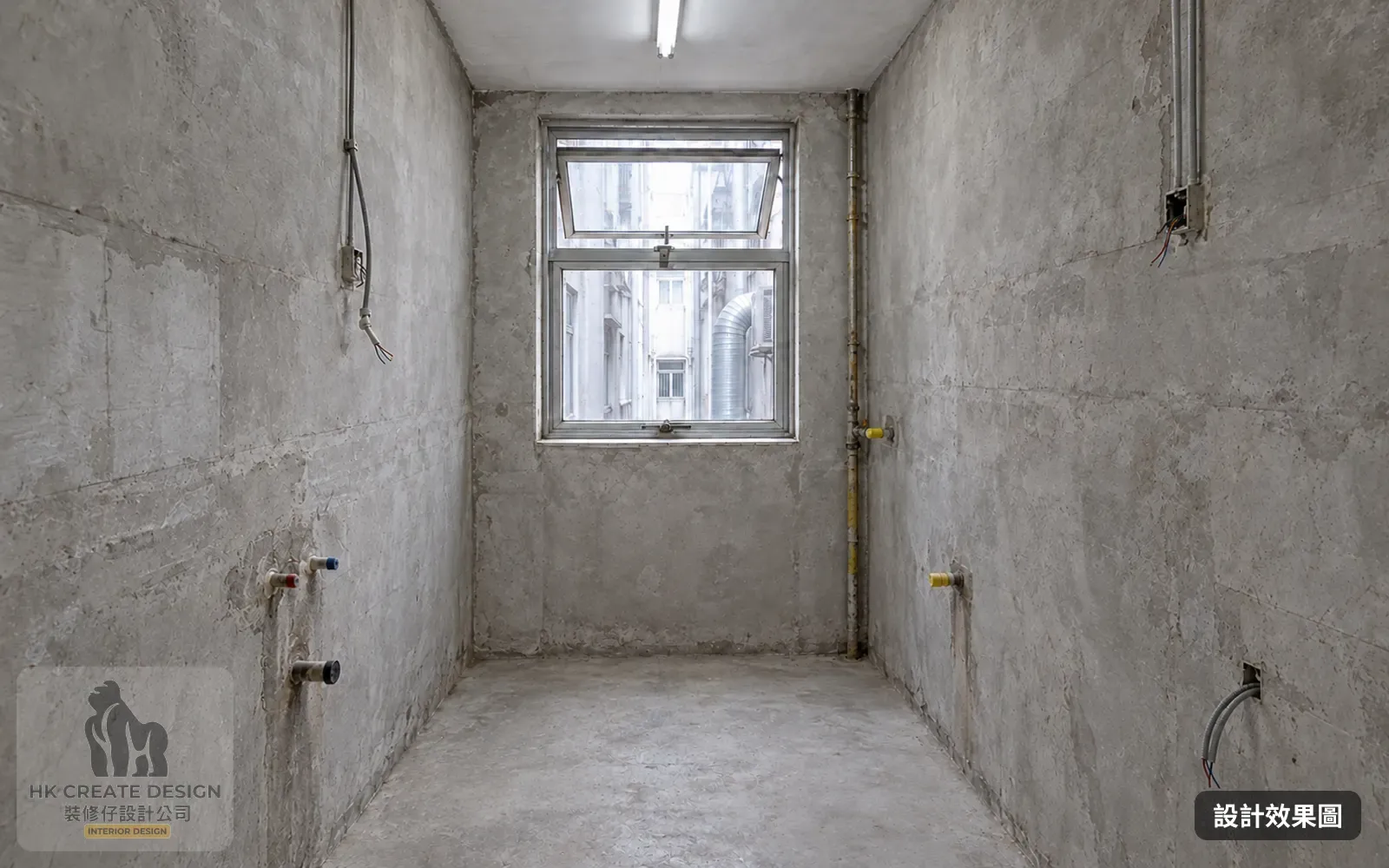
Many older buildings have ageing distribution boards and too few sockets for modern appliances. Some lack residual current protection. EMSD states that residential fixed installations with an approved load above 100 amperes require inspection and testing at least every 5 years. Most flats do not exceed 100 amperes, but EMSD still recommends periodic checks by a registered electrical contractor.[4]
At handover, look for scorch marks on the distribution board, labels on switches, loose or discoloured sockets and adequate dedicated circuits for kitchen and bathroom appliances. Have problems assessed during renovation, before new paint would need disturbing for extra wiring.
Published H01 electrical inspection costs HK$770 per visit. If replacement is needed for theDistribution board replacement, H09 is HK$6,800 each. H06 adding a dedicated circuit is HK$3,350 per circuit. (see published rates) Once electrical work is complete, a registered electrical worker should issue a WR1 completion certificate.
When planning the sockets, think clearly about what appliances will be placed in each slot: bedside charger, desk computer, kitchen appliances, bathroom dehumidifier. I would rather plan everything at once than drag out the mop after moving in.
If the household includesOlder residentsor children, plan socket positions and heights carefully. Provide for night lights by the bed and in the corridor and keep kitchen sockets away from the sink. Planning during renovation costs much less than changing them after moving in.
- Check whether there is a leakage circuit breaker in the electrical box
- Check whether the socket is loose or discolored
- Allow enough sockets and dedicated circuits
You can swipe left or right on your phone to view the complete table.
| location | Bits to check | Frequently asked questions | Recommended treatment | Reference price |
|---|---|---|---|---|
| electricity | Electrical box, main switch, socket, leakage circuit breaker | Old electrical box, no leakage protection, loose socket | Registered electrical worker inspection | H01 Electrical Inspection HK$770/time[hkcd-pricelist] |
| water pipe | Pipes behind the water meter, faucet water pressure, hot water | Rusty water, weak water pressure, leakage from underground pipes | Turn on the faucet and check the water color and pressure. If necessary, drill and check. | G01 Come and go water pipe drilling inspection HK$930/item[hkcd-pricelist] |
| Bathroom waterproofing | Water stains on the ceiling, hollow floors, water removal | Water seepage and waterproof aging downstairs | Flood test and renewal of waterproofing during renovation | C04 flood test — HK$1,400 per test [hkcd-pricelist] |
| window with exterior wall | Window water stains, glue edges, hinges | Water seepage at the window and aging of the aluminum window | Observation on rainy days; Handling of exterior walls to the building | On-site assessment |
| Changes by previous owner | Demolish walls, build additions, modify windows | May be unauthorized or unauthorized construction | Check the Buildings Department plans; if you have any questions, contact professionals[1] | On-site assessment |
| building | Building inspection/window inspection notice, major repairs | Common part maintenance apportionment | Inquire with the management office[2] | Not applicable |
This is a preliminary inspection. Concealed areas may need opening up. Prices are indicative until the contractor measures and quotes in writing. [1][2] (see published rates)
03
The water pipe is the same as the water: open the faucet and you will know half of it
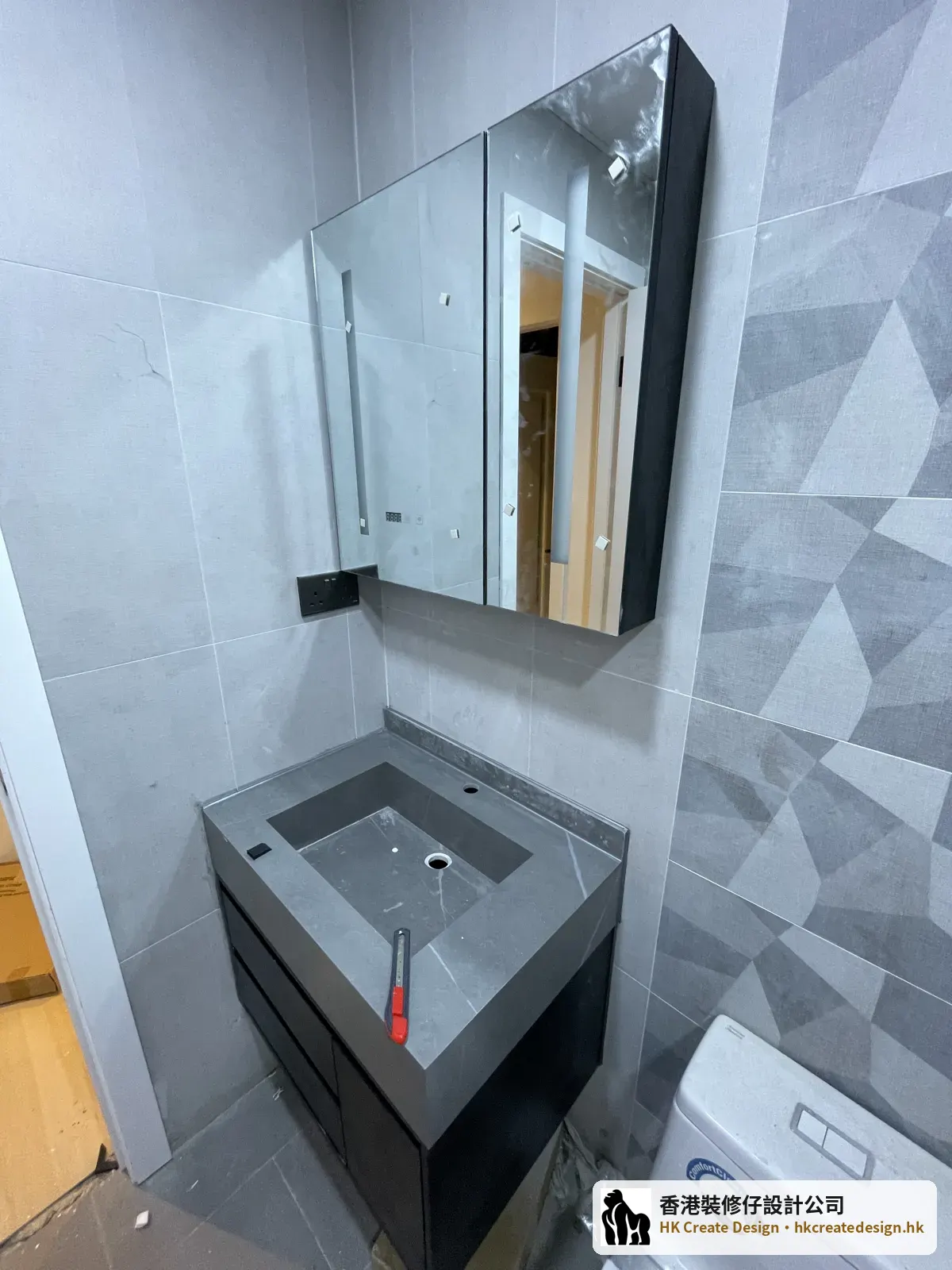
Common problems with water pipes in old buildings include rusted galvanized iron pipes, weak water pressure, and leaking underground pipes. Turn on all faucets and check whether the water color is clear, the water pressure is stable, and how long it takes for hot water to flow out. In terms of water removal, you can pour a bucket of water onto the floor to check the water level and see if it goes down quickly and if there is any smell.
If you suspect a concealed pipe leak, see whether the water meter continues turning after all taps are closed. Continued movement indicates a possible leak that requires a tradesperson to investigate. Published item G01 lists opening up to inspect supply or drain pipes at HK$930 per item. (see published rates)
Kitchen and bathroom renovations often include replacing the hot and cold pipes together. G04 complete bathroom hot and cold pipework costs HK$13,300. For individual changes, G02 relocation of a hot and cold water point costs HK$1,700 per point. (see published rates)
Pressure-test completed plumbing and confirm it is leak-free before enclosing it. We photograph the pipe routes beforehand for future maintenance.
In addition, pay attention to the water meter level and the location of the main switch to ensure that the whole family knows how to turn off the water. When renovating, you can consider adding separate water taps to the kitchen and bathroom so that if the faucet is replaced or water leaks in the future, the water supply to the entire house will not be cut off.
- Turn on the faucet to check water color and pressure
- Turn off the faucet to see if the water meter has changed.
- Remove the water and test whether there is any backflow
04
Water seepage and waterproofing: Be sure to look at the ceiling when taking over the building
If there are water stains, bubbling or peeling paint on the bathroom ceiling of a second-hand building, it is most likely due to water seepage upstairs; if the floor of your own bathroom is hollow and the base of the wall is black, it may be due to the failure of your own waterproofing, which will seep downstairs in the future. The joint office of the Buildings Department and the Food and Environmental Hygiene Department handles water seepage in buildings and received 47,299 reports in 2024.[6]
The Buildings Department stated that dealing with water seepage usually requires the owners to hire professionals for investigation and repair; the joint office mainly handles cases that constitute a sanitary nuisance or affect building safety.[5] Therefore, if signs of water seepage are found when the building is repossessed, it is best to deal with the source before renovation.
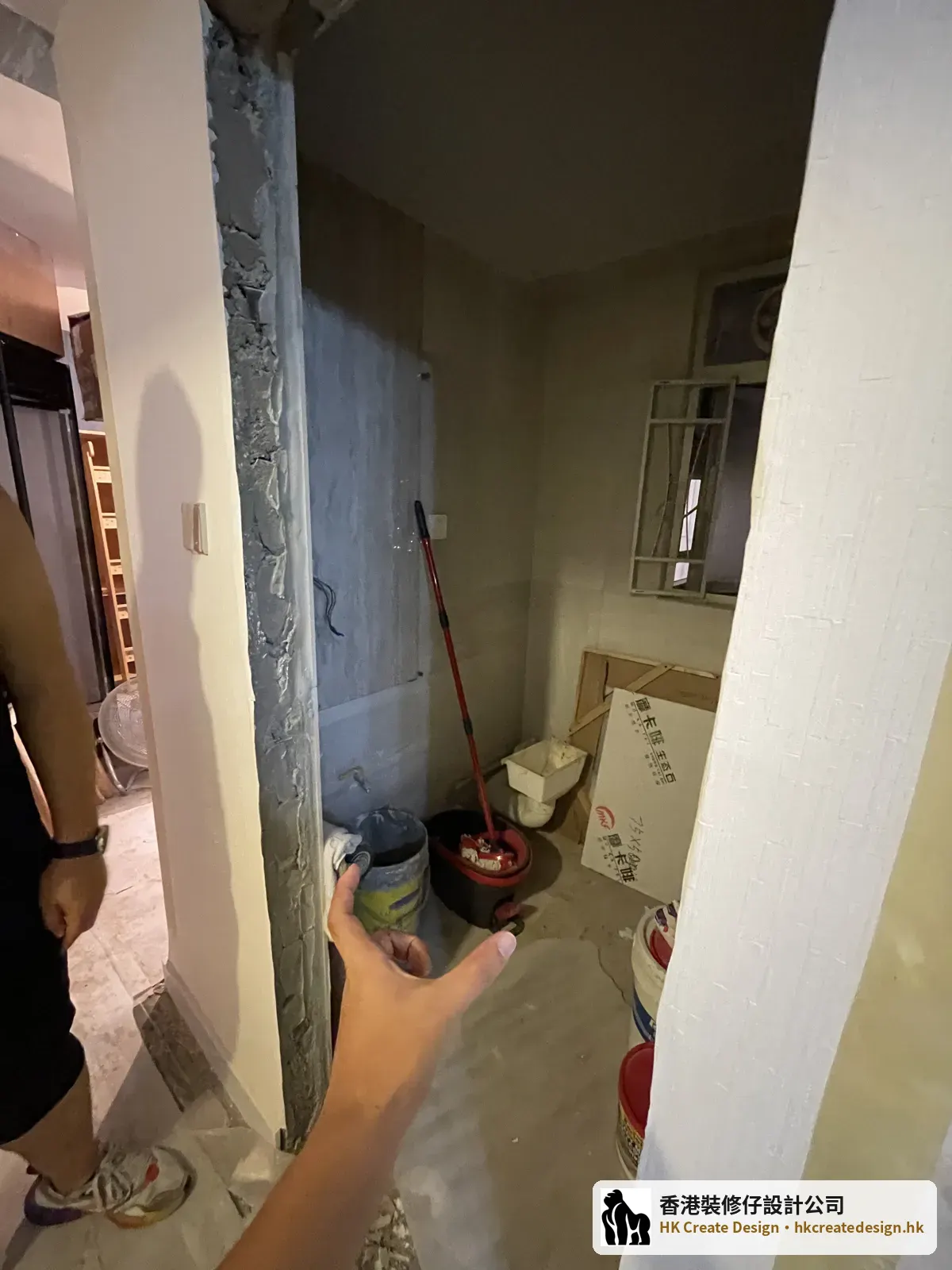
When renovating a bathroom, consider renewing the waterproofing and flood-testing it. Published item C02 Bathroom waterproofingis HK$4,850 per room. C04 flood testing is HK$1,400 per test. For strip-out and renewal, C05 bathroom strip-out and re-waterproofing is HK$13,000 per room. (see published rates)
For leakage problems upstairs, you must communicate with the owner upstairs and handle them through the management office or joint office if necessary. Before renovating your own unit, you should first confirm the source to prevent the new ceiling from being damaged again.
If there has been a complaint about water seepage in your unit downstairs, it should be dealt with as soon as possible even if it has not been renovated. The longer the delay, the greater the damage to the ceiling downstairs and the more tense the relationship between the two parties. During the renovation, waterproofing and water sealing tests should be done, and records should be kept, so that there will be evidence for future disputes.
- Check to see if there are any water stains on the bathroom and kitchen ceilings
- Tap floor tiles to check for hollow sounds
- Renovated bathroom including waterproofing and water-closing tests
05
Windows and exterior walls have been modified by the previous owner
Check for damp marks, loose hinges or catches and ageing seals. Leaks can originate from the frame joint or an external wall crack. Refer common external wall issues to building management.
The previous owner should be especially careful when making changes: for example, removing partition walls, adding a loft, changing the windows to larger windows, or extending the air-conditioning unit. The Buildings Department stated that structural-related projects such as demolishing or altering structural walls, opening large windows, etc. require the appointment of an authorized person and a registered structural engineer and prior approval;[1] If it is an unauthorized project, it may be required to be demolished in the future.
You can check the original plans of the unit with the Buildings Department to see if there is any obvious difference compared with the current situation. When in doubt, you should seek advice from an authorized person or a lawyer.
When we measure, we will pay attention to obvious signs of changes to remind you of areas that need to be re-verified, but we will not replace the legal or structural judgment of professionals.
You should also pay attention to the air-conditioning unit: the window unit in the old building may no longer be suitable for the new split unit. The outdoor unit bracket and the location of the water pipe must comply with the requirements of the Building Code and the Buildings Department. If necessary, it must be handled by a registered contractor.
- Check for water stains on windows and hinges
- Check with the original plans to see if there are any changes.
- If you have any questions, please contact an authorized person
Example one: inspection and painting budget for basic renovation of a resale flat of about 400 sq ft
Assumptions
- Assume that the area to be plastered and greased on the walls and ceiling is about 1,000 square feet (assumed figure).
- The bathroom was redone and waterproofed and tested once with the water closed.
- All prices are from public pricing. [hkcd-pricelist]
How to calculate quantities
- E01 stripping, skim coating and painting: 1,000 × HK$39 = HK$39,000, above the HK$7,450 minimum.
- H01 Electrical Inspection: 1 × HK$770 = HK$770.
- G01 Come and go for water pipe inspection: 1 × HK$930 = HK$930.
- C02 bathroom waterproofing: 1 × HK$4,850. C04 flood test: 1 × HK$1,400.
- Total: HK$39,000 + 770 + 930 + 4,850 + 1,400 = HK$46,950.
Under the above assumptions, the inspection, bathroom waterproofing and whole house painting will cost approximately HK$46,950.
Excludes bathroom strip-out, tiling, sanitaryware and furniture. Confirm actual areas and site conditions through measurement. (see published rates)
06
Building level: building inspection, window inspection and major maintenance
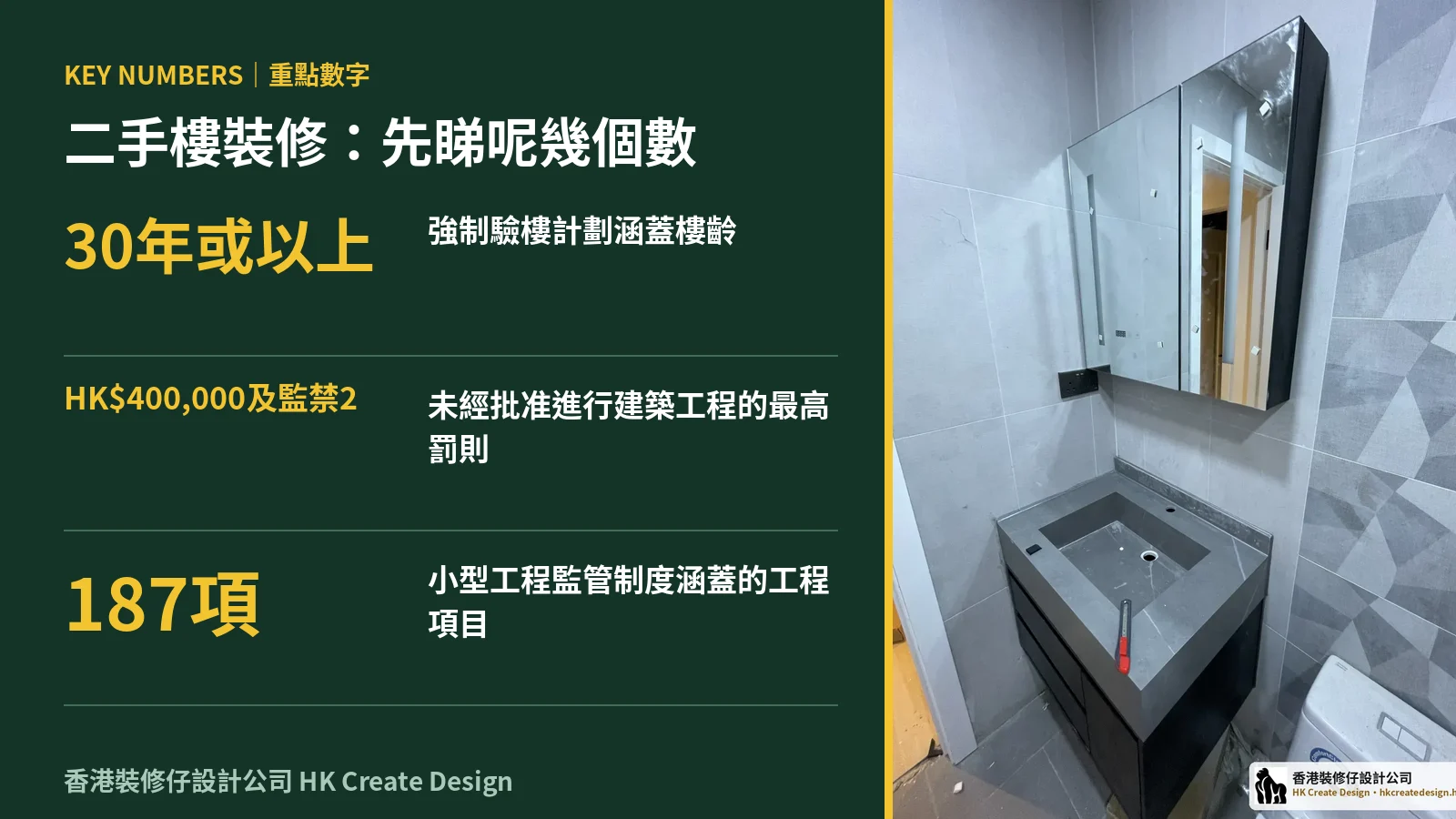
Private buildings aged 30 years or more fall under the MandatoryFlat inspectionInspection Scheme, which requires a registered inspector to inspect common areas, external walls and projections, among other elements, every 10 years.[2] If the building is about to undergo major repairs, the owners will have to share the costs. You should check with the management office or the owners' corporation before and after taking over the building.
In addition, the building may receive a window inspection notice, requiring the owner to appoint a qualified person to inspect the windows of the unit. If you need to replace windows during renovation, it is best to plan them together with the inspection windows.
During major maintenance, the erection of exterior walls may affect your unit's project arrangements, such as air-conditioner installation, window replacement, etc. Knowing the building schedule can avoid duplication of work.
Management rules may cover working hours, worker registration and rubble disposal. Obtain a copy and give it to the contractor before starting.
If the building is undergoing major repairs or is about to undergo major repairs, you can ask before the renovation whether the scope of the project includes water seepage in the exterior walls, window closings, etc. This will prevent you from having to demolish the exterior walls after finishing the interior work.
- Check whether the building has undergone building inspection or major repairs
- Pay attention to window inspection notices
- Request the renovation code of the management office
07
Demolish old things: tear down what, keep what
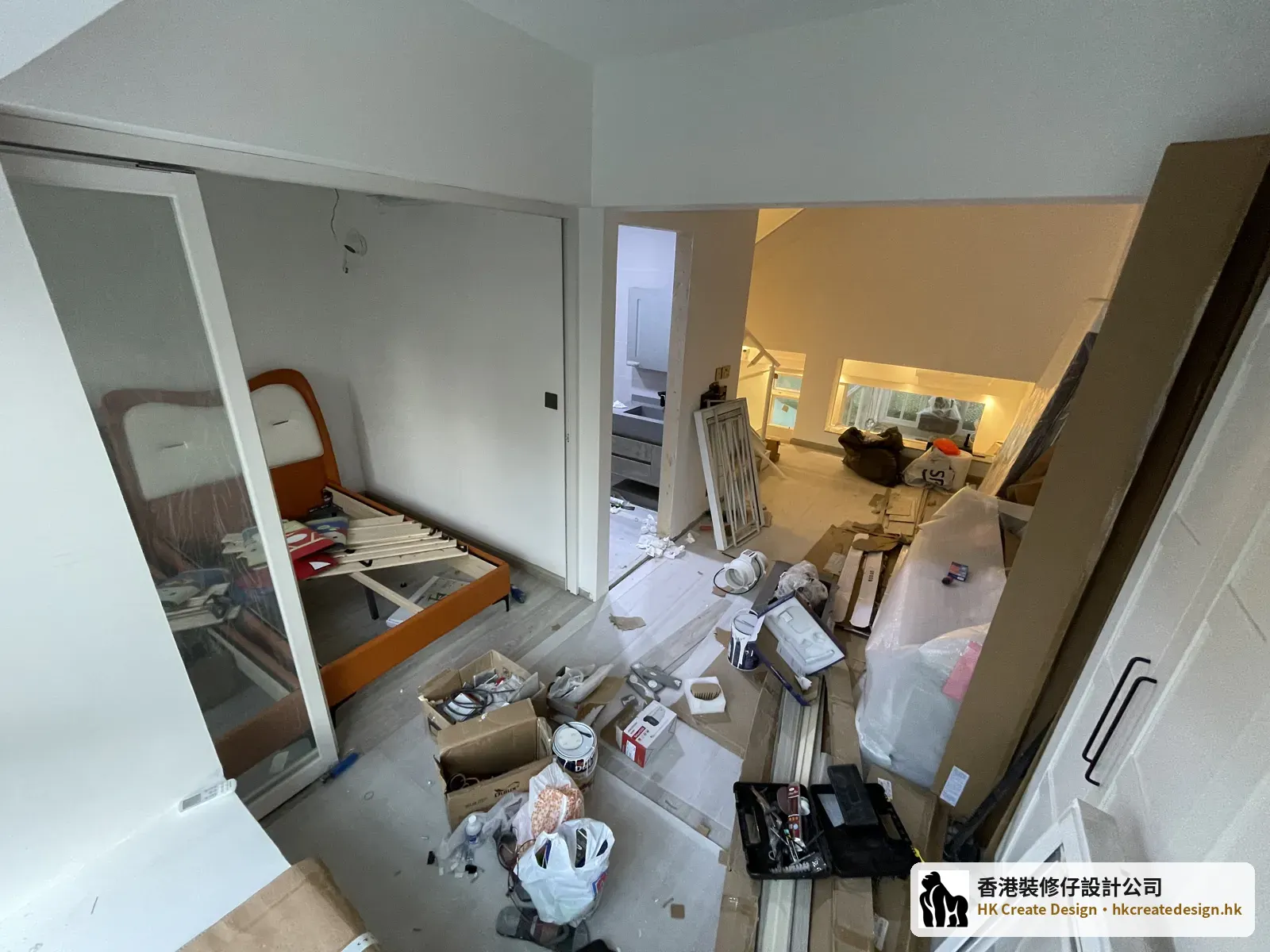
Second-hand buildings usually have cabinets, floors, and lights left behind by the previous owner. When deciding whether to dismantle or not, you can check three things: condition, whether the size fits, and whether it fits with the new design. Good cabinets can be kept and replaced with door panels or oiled, but those that are moldy, swollen, or deformed should be removed.
Published rates: A07 removing a fitted wardrobe or tall cabinet, HK$61 per sq ft, minimum HK$740. A06 removing kitchen or bathroom cabinets, HK$170 per linear ft. A08 removing timber flooring, HK$22 per sq ft. A11 debris removal, HK$4,200 per truckload. (see published rates)
Group demolition tasks to share a waste vehicle and reduce noisy workdays. Isolate water and electricity before removal so cabinet demolition cannot damage live wiring or connected pipework.
We take on all projects, big or small, even if it involves dismantling one or two cabinets; after completion, we will remove the trash and clean up.
Check existing wood floors for lifting, mould and pest damage before deciding to retain them. New flooring can sometimes go over level old tiles, reducing demolition and rubble. Check the effect on door clearance and skirting height.
- Assess the condition of the old cabinets before deciding whether to demolish them or not
- Centralized disassembly and one-time transportation
- Isolate water and electricity before demolition
You can swipe left or right on your phone to view the complete table.
| Engineering | General classification | Main points | References |
|---|---|---|---|
| Clean dust, paint, lay tiles, replace sanitary ware | Generally exempt projects | No structure is involved and can be carried out directly | Buildings Department[1] |
| Removal of non-structural partition walls | Generally exempt projects | Make sure it is not a structural wall first | Buildings Department[1] |
| Demolish or modify structural walls and open larger windows | Requires prior approval from Buildings Department | Appointment of Authorized Person and Registered Structural Engineer | Buildings Department[1] |
| Some windows, canopies, air conditioner brackets, etc. | May be a minor project | Must be carried out by prescribed registered contractors and submit documents according to grade | Buildings Department[3] |
| Alterations to fixed electrical installations | Electrical work | It will be carried out by registered electrical workers and WR1 will be issued upon completion. | Electrical and Mechanical Services Department[4] |
The classification is for general purposes only. For individual projects, the guidelines of the Buildings Department and the Electrical and Mechanical Services Department shall prevail. [1][3][4]
08
Kitchen and bathroom: the two most common areas in second-hand buildings that require major renovations
Kitchens and bathrooms are the areas with the most problems in second-hand buildings, due to long-term moisture and oil fumes, and pipes and waterproofing are also the most susceptible to aging. If the kitchen and toilet tiles are discolored or hollow, the cabinets are moldy, or the water is often blocked, it is often more cost-effective to dismantle and redo them than to repair them locally. You can also treat the water pipes and waterproof them at once.
Published A09 kitchen strip-out and A10 bathroom strip-out each cost HK$9,950 per room. D01 floor tiling costs HK$78 per sq ft, minimum HK$3,250. Installation costs are HK$1,300 for K01 toilet, HK$1,150 for K02 basin and HK$970 for K03 shower mixer. (see published rates) The actual amount depends on the area and chosen materials.
With a limited budget, retain the layout and pipe positions and change only the finishes or selected fittings. For example, B05 converting tiled walls to a painted finish is HK$31 per sq ft. Another option is to replace selected sanitaryware and hardware. (see published rates) First confirm that the waterproofing and pipes are sound. Otherwise, problems can recur after renovation.
Special attention should be paid to gas pipes when renovating a kitchen. Works involving gas installations must be carried out by registered gas contractors and registered gas installation technicians. We will work with you to plan the kitchen layout and electrical appliances, and leave the gas part to qualified personnel.
- It is estimated that the kitchen and toilet need to be partially repaired and completely demolished
- Confirm the condition of waterproofing and pipes
- Gas Works Competent Person
09
Renovation sequence: from concealment to surface
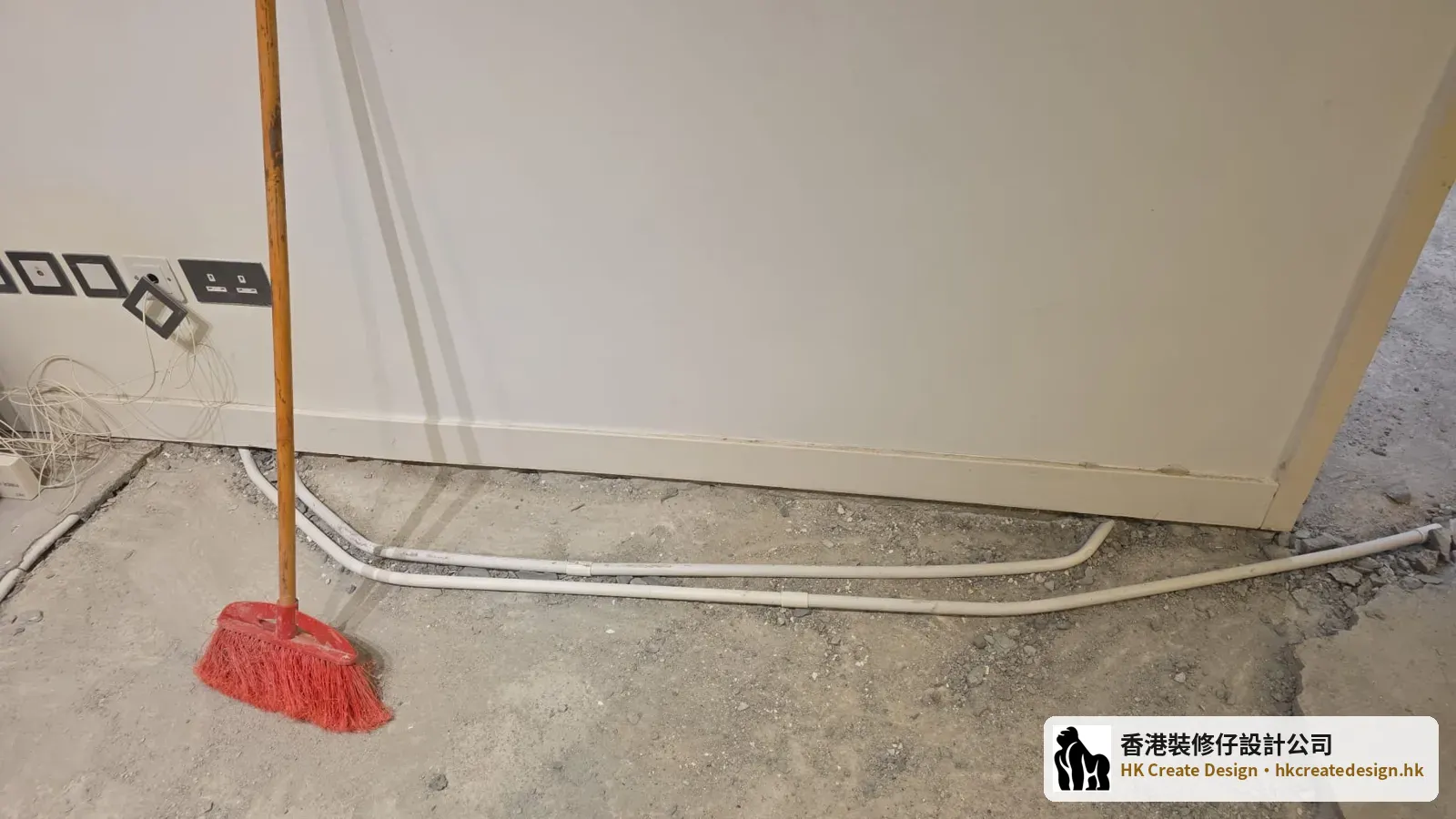
The usual sequence is strip-out, changes to services, waterproofing and masonry, suspended ceilings and joinery, painting, installation of sanitaryware, lighting and furniture, then cleaning and site clearance. Complete concealed, dusty and heavy work before delicate finishes.
The order of rework is wrong. For example, after the oil is finished, you need to add a socket first, and then you have to cut the wall and then refill the oil; after laying the floor tiles, you need to change the pipe first, and then pry the bricks. Therefore, it is necessary to ensure that all potential and water levels are consistent with the furniture positions during the design stage.
Our Bespoke furnitureincludes design and whole-flat drawings: floor plans, coordinated building services drawings, furniture designs, VR renderings and furniture production drawings. Positions are confirmed before construction.
Programme length depends on whether the work is a basic refresh or a whole-flat renovation. The AI estimator and 117-item calculator give an initial budget. Confirm the scope and price in writing after measurement.
- Arrange in order from hidden to surface
- Implement all potential water levels during the design phase
- Confirm the whole house plan before starting construction
10
Timetable: Arrangement from house closing to move-in point
In the first week after handover, record the condition and book a site survey. In weeks two and three, agree the design, drawings and quotation before starting work. Stripping out before the layout is settled can lead to delays and extra costs.
Strip-out and services usually come first. Allow for drying and flood tests during waterproofing and masonry, production lead times for fitted joinery, then painting and final installation. Once the design is approved, order fitted furniture so production can run alongside site work.
If you have to pay rent at the same time or have a moving deadline, remember to calculate the time for ventilation and ventilation. After completion, it is best to allow one to two weeks for leaks, cleaning and ventilation before moving in. It is not advisable to schedule the completion date and the moving day on the same day.
We will attach a process timetable with the quotation and regularly report the progress with photos during the construction period. If any changes are made, the impact on the construction schedule will be confirmed in writing.
- After taking over the building, design first and then start construction
- Furniture production parallel to on-site engineering
- Leave a buffer between completion and moving
Example two: removal of a previous owner's cabinets and disposal of construction debris
Assumptions
- Assume that the front area of the built-in wardrobe is about 40 square feet and the kitchen cabinet is about 12 square feet (assumed figures).
- One vehicle load of construction debris. [hkcd-pricelist]
How to calculate quantities
- A07 Built-in wardrobe/tall cabinet: 40 × HK$61 = HK$2,440 (above the minimum spending of HK$740).
- A06 Dismantling kitchen cabinets/bathroom cabinets: 12 × HK$170 = HK$2,040.
- A11 Rubble removal: 1 × HK$4,200.
- Total: HK$2,440 + 2,040 + 4,200 = HK$8,680.
It costs about HK$8,680 to dismantle the old cabinets and clean them up.
Combine debris removal with other demolition where possible. Walk-up buildings or other haulage restrictions need a separate assessment. (see published rates)
11
Budget: Set aside an emergency fund
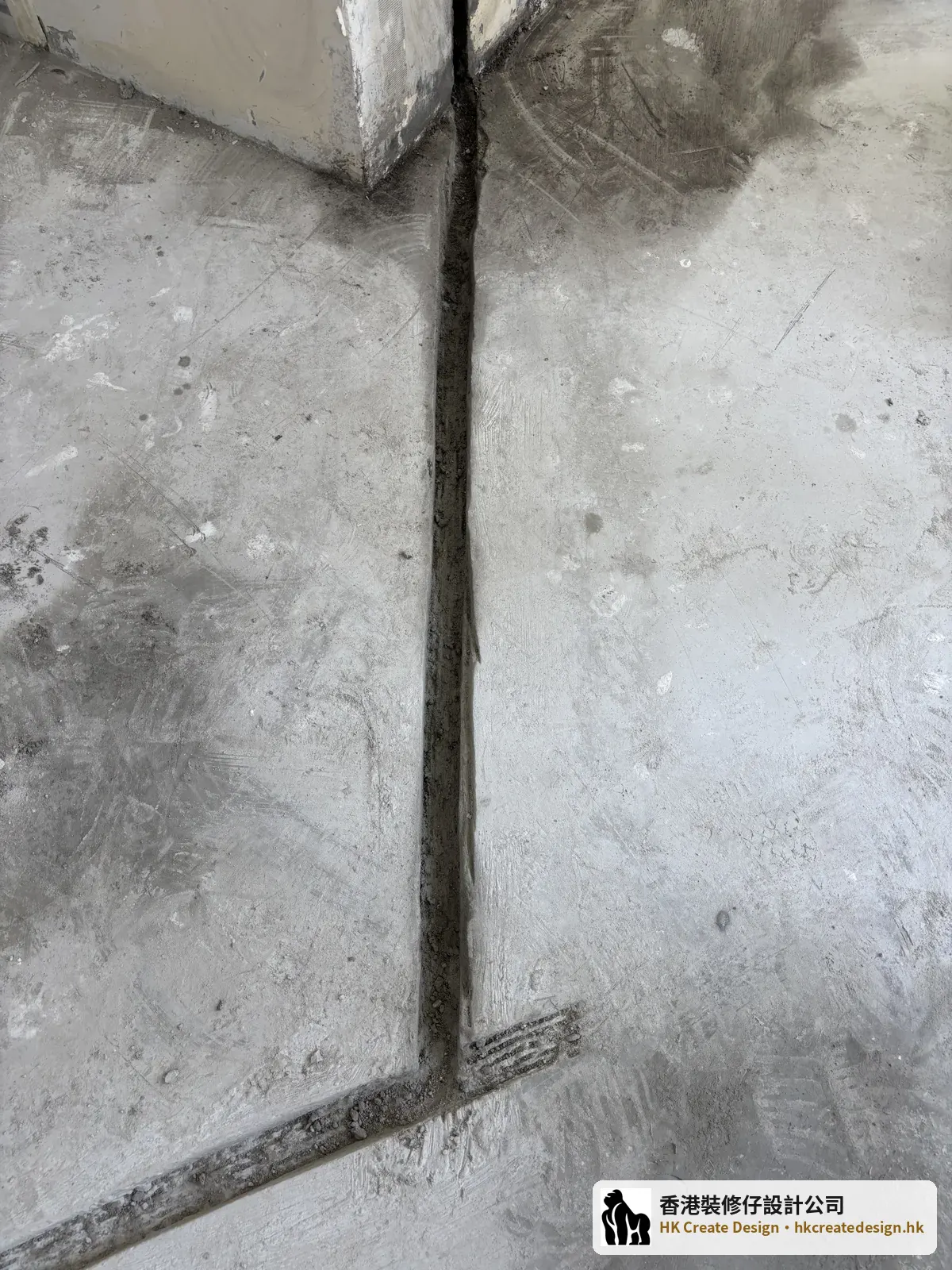
Concealed work is hardest to estimate in a resale flat. Removing tiles may reveal corroded water pipes, or opening a wall may revealageing electrical wiringor finding cracks in the wall when the old paint is stripped. These issues may only become visible after opening up. Set aside a contingency.
When quoting, you can ask the contractor to list which items are "subject to the site" and indicate that if additional items are found to be needed, they will be confirmed in writing and the price will be calculated.
The public list gives units and unit prices for each item. B01 wall rendering is HK$43 per sq ft, minimum HK$2,350. E02 patching, moisture treatment and painting is HK$21 per sq ft, minimum HK$4,650. E03 whole-flat repainting is HK$12 per sq ft, minimum HK$3,700. (see published rates) You can estimate an initial range yourself.
Our price list is open and transparent. The quotation indicates the quantity and unit according to the work sequence. Any additional orders must be confirmed in writing first.
Size the contingency to the evidence. An older flat with no renovation records and clear bathroom seepage warrants more than one in sound condition. Ask at measurement which areas are uncertain and which listed items might be added.
- Set aside a contingency budget
- Request a quote stating that it is subject to on-site projects
- Please confirm in writing before adding
12
Before moving in: cleaning, acceptance and documents
After the project is completed, inspect and accept items one by one: switches, sockets, faucets, drains, doors, windows, cabinet doors and hardware. Make a list if you find any problems, and then check them again after you have missed them.
Collect the WR1 electrical completion certificate, waterproofing flood-test records and material and appliance warranties. These are valuable for resale or later repairs.
At completion we remove rubbish, sweep and provide basic cleaning. Our specialist partner can handle deep cleaning or formaldehyde treatment. L01 lists cleaning and formaldehyde treatment at HK$16 per sq ft, minimum HK$2,800. (see published rates)
Leave the windows open for ventilation for a few days before moving in, and wait for the smell of paint and boards to dissipate before moving in.
Operate each item at handover. Switch on the lights, test sockets appropriately, run hot water at the taps, run the shower for ten minutes and check drainage, then open every cabinet door and drawer. Record the exact defect so the contractor can rectify it in one visit.
- Item-by-item acceptance and execution list
- Complete the certificate and maintenance documents
- Open windows for ventilation before moving in
FAQ
9 practical questions answered
01What is the first thing to do after repurchasing a second-hand property?
Photograph or film each room, note the water, electricity and gas meter readings and arrange the account transfers. Book the site survey before anything is dismantled.
02Is it necessary to renovate a second-hand building?
Skimming, painting, tiling, replacing sanitaryware and removing qualifying non-structural partitions are generally exempted work. Changes to structural walls or enlargement of a window opening require an Authorised Person and prior Buildings Department approval as applicable.[1]
03Do I need to replace all the electrical wiring in the old building?
Want to see the test results. The EMSD recommends regular inspections by registered electrical contractors;[4] If the electrical box is too old, does not have leakage protection, or has insufficient circuits, it is best to deal with it once during renovation.
04When the building was repossessed and water seepage was discovered upstairs?
First communicate with the owner of the building above and, if necessary, go to the management office; if it constitutes a sanitary nuisance, you can report it to the Joint Office for Complaints about Water Seepage.[5]
05What does the mandatory building inspection have to do with me?
Private buildings that are 30 years old or above must be inspected every 10 years, and the owners must share the maintenance costs of common parts;[2] You should check with the management office before and after taking over the building.
06Are you willing to dismantle a few old cabinets?
Yes. We take small and large jobs, including removing one or two cabinets. We remove rubbish and sweep after work. See published rates A06 and A07. (see published rates)
07Do you know in advance how much it will cost?
Use our AI quotation assistant or 117-item price calculator for an initial range. The written quotation after our tradesperson measures the site determines the final price. On-site measurement is free through 31 December 2026 for two or more work items, with no deposit. After that, the HK$500 fee is credited against the order.
08How long does it take to renovate a second-hand building?
It depends on the scope of the project. Basic painting and minor repairs can be done quickly, but renovation of the entire house, including the kitchen and bathroom, and custom-made furniture will take longer. It is recommended to allow one to two weeks between completion and moving for leaks and ventilation.
09Do I need to hire a building inspection company for second-hand property repossession inspection?
There is no legal requirement. The owner can make a preliminary inspection according to the checklist, and then have the renovation master come to check the location; if it involves structure, unauthorized construction or large-scale water seepage, he should hire relevant professionals.
CHECK THE BASIS
Data and technical basis, sources can be verified
- [1]Buildings Department: Frequently Asked Questions on Alteration and Addition Works to Domestic Premises Accessed: 2026-11-01
- [2]Buildings Department: Mandatory Building Inspection Scheme Accessed: 2026-11-01
- [3]Buildings Department: Introduction to the Minor Works Control System Accessed: 2026-11-01
- [4]Electrical and Mechanical Services Department: Periodic testing of fixed electrical installations Accessed: 2026-11-01
- [5]Buildings Department: Frequently Asked Questions on Water Seepage Problems in Buildings Accessed: 2026-11-01
- [6]Hong Kong SAR Government press release: Legislative Council question on handling building water seepage (2 July 2025) Accessed: 2026-11-01
- PricesHK Create Design 2026 detailed project budget and public price list Accessed: 2026-11-01